Egypt’s Core Inflation Rises to 14.3 Percent in June from 13.8 Percent While Headline Eases to 14.3 Percent from 14.6 Percent
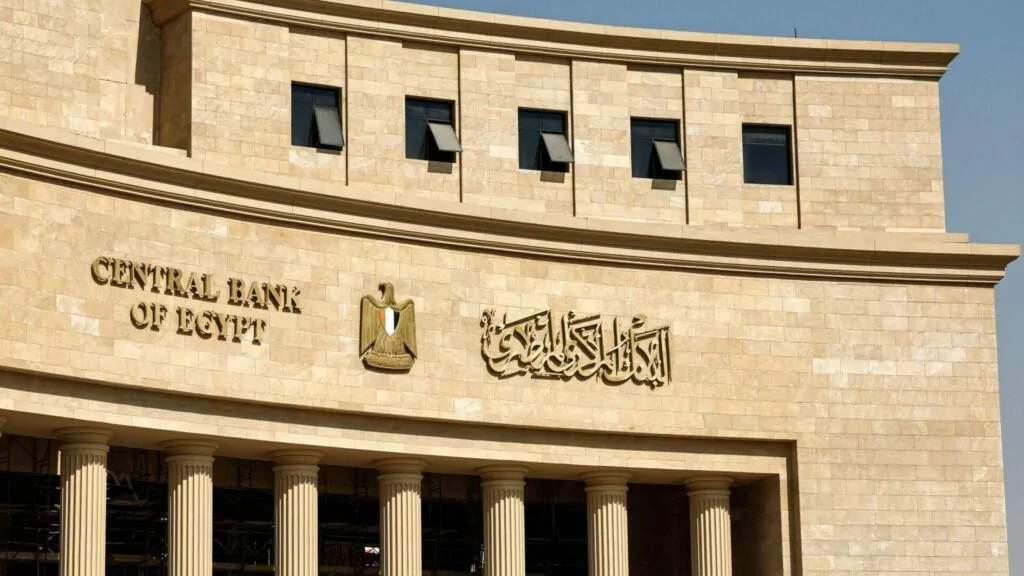
Egypt’s two main inflation gauges both stood at 14.3 percent in June, but they arrived there from opposite directions. Annual core inflation rose to 14.3 percent in June, up from 13.8 percent in May. Annual headline urban inflation eased to 14.3 percent in June, down from 14.6 percent in May. The two measures, which had been apart, converged at the same level as core moved higher and headline moved lower, the Central Bank of Egypt reported in its 9 July CPI release.
Core inflation is the reading the central bank watches most closely, and its rise is the notable development. Computed by the CBE by excluding volatile food items and regulated items from the CPI basket, core inflation recorded its first annual increase since March, after declining in April and holding steady in May. The headline urban figure is compiled by the statistics agency CAPMAS.
The monthly data add important nuance. Core CPI rose 0.3 percent month on month in June, sharply below the 1.6 percent monthly increase recorded in May. That means the rise in annual core inflation was not driven by a fresh monthly surge; it partly reflects base effects and the comparison with June 2025, when monthly core inflation was negative 0.2 percent. This makes the print mixed rather than outright negative: annual core inflation increased, but the latest monthly core impulse slowed.
On the headline side, the monthly reading also eased: urban headline CPI fell 0.4 percent month on month in June after rising 1.6 percent in May. The decline was helped by a sharp 8.7 percent monthly drop in fruits and vegetables, while regulated items rose only 0.1 percent on the month. On an annual basis, regulated-item inflation stood at 13.7 percent and fruits and vegetables inflation at 16.9 percent.
The policy implication is therefore balanced. Headline inflation is still easing, which supports the broader disinflation story, but core inflation rising back to the same level as headline inflation makes the case for immediate rate cuts less straightforward. With the overnight deposit rate at 19.00 percent and both headline and core inflation at 14.3 percent, Egypt’s ex post real deposit rate is about 4.7 percentage points, our calculation. That keeps monetary policy firmly restrictive and gives the central bank room to wait for clearer evidence that both headline and core inflation are moving sustainably lower.
The Monetary Policy Committee met on 9 July, the fourth scheduled MPC meeting of 2026 after the February, April and May meetings, and decided to keep its key policy rates unchanged. The overnight deposit rate remains at 19.00 percent, the overnight lending rate at 20.00 percent, the main operation rate at 19.50 percent and the discount rate at 19.50 percent, the central bank said in its decision press release published on 9 July, citing its assessment of current inflation dynamics and the evolving outlook since the previous meeting. It is the third consecutive hold since the 100 basis point cut of 12 February, our reading of the CBE’s published decisions.
Why it matters: Inflation and interest rates are the twin anchors of Egypt’s stabilisation. June’s data send a mixed signal: headline inflation eased and monthly price pressure cooled, but annual core inflation rose, suggesting that underlying inflation has not fully converged to a comfortable path. That supports a cautious central-bank stance, especially with Egypt still working to preserve real returns, maintain pound stability, and support the confidence created by net international reserves of US$55.1 billion at the end of June. For the wider MENA region, Egypt remains one of the most important emerging-market stabilisation cases and a bellwether for how quickly high-rate economies can move from disinflation to monetary easing.
Outlook: With the 9 July hold announced, the key tests are whether July headline inflation continues to ease, whether core inflation reverses June’s annual uptick, and whether food, regulated prices, fuel and exchange-rate conditions remain contained. The next scheduled MPC meeting is 20 August. A rate-cut case would be stronger if both headline and core inflation move lower together; another firm core reading would argue for patience.
Sources: Central Bank of Egypt; CAPMAS.