Fed Minutes Show Officials United on Holding Rates but Split on Where They Go Next
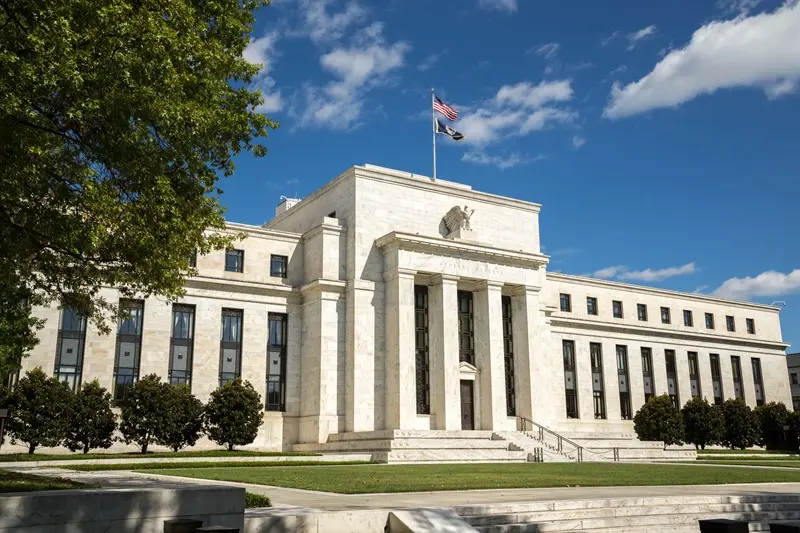
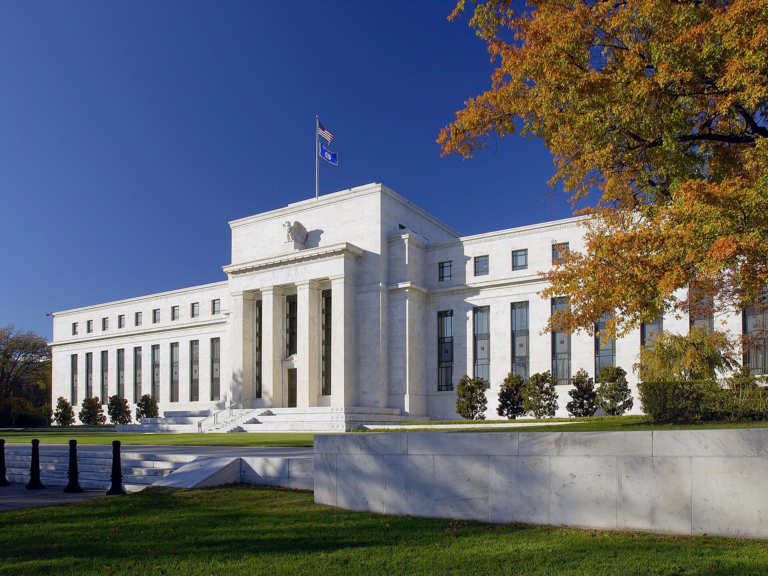
Minutes of the Federal Reserve’s 16 and 17 June meeting, released on 8 July, showed a policy committee that was unanimous in holding interest rates steady but divided in its outlook, with some officials seeing a case for higher rates ahead as inflation stayed elevated. The Federal Open Market Committee left its benchmark rate unchanged at 3.50 to 3.75 percent in a 12 to 0 vote, with no dissents, and dropped the easing bias that had featured in its earlier communications.
The split was in the projections, not the vote. According to the minutes, a few participants saw a case for raising rates but still supported holding, while on the appropriate level of rates by the end of the year, many participants judged it would be within or slightly below the current range, implying a hold or eventual cut, and many others saw it above the range, implying a hike. The committee described inflation as elevated and having moved higher, with the staff estimating headline personal consumption expenditures inflation at 4.1 percent and the core measure at 3.4 percent for May.
Officials attributed the firmness in prices to several forces, including the pass-through from tariffs, higher energy and input costs linked to conflict in the Middle East and disruption to shipping through the Strait of Hormuz, and strong demand tied to artificial intelligence. Participants judged the risks to inflation to be tilted to the upside, and the minutes gave no signal of a near-term cut, with the committee’s removal of its easing language marking a clear hawkish shift from earlier in the year.
Why it matters: US monetary policy transmits directly to the Gulf through the currency pegs. Saudi Arabia, the United Arab Emirates, Qatar, Bahrain and Oman peg their currencies to the dollar, and Kuwait manages its dinar against a dollar-weighted basket, so their central banks shadow the Federal Reserve. A committee that is united on holding and split between holding and hiking, rather than debating cuts, keeps Gulf benchmark rates elevated and regional liquidity tighter than a market expecting easing had assumed, with knock-on effects for borrowing costs, bank margins and credit-sensitive sectors across the region. The explicit link the minutes draw to energy costs and the Strait of Hormuz also ties the US rate outlook back to the oil-supply risk that dominates the regional picture.
Outlook: The near-term markers are the June US consumer price report due 14 July, the path of oil prices, and how Fed officials frame the balance between elevated inflation and the risk of over-tightening in their public remarks before the next meeting in late July. A hotter inflation print would strengthen the hand of the officials who see rates moving higher, while clear evidence of cooling would revive the case for patience.
Sources: Federal Reserve; CNBC.