Egypt Authorises a State Property Company as a Domestic Debt-for-Equity Swap Is Reported
Egypt has authorised three public bodies to establish a joint-stock company to manage and develop state real-estate assets, and is separately reported to be studying a plan that would let holders of some domestic government debt, treasury bills in particular, exchange those instruments for equity in the new vehicle. The company’s creation is set out in an official decree; the debt-for-equity element comes from a news report and has not been confirmed by the authorities.
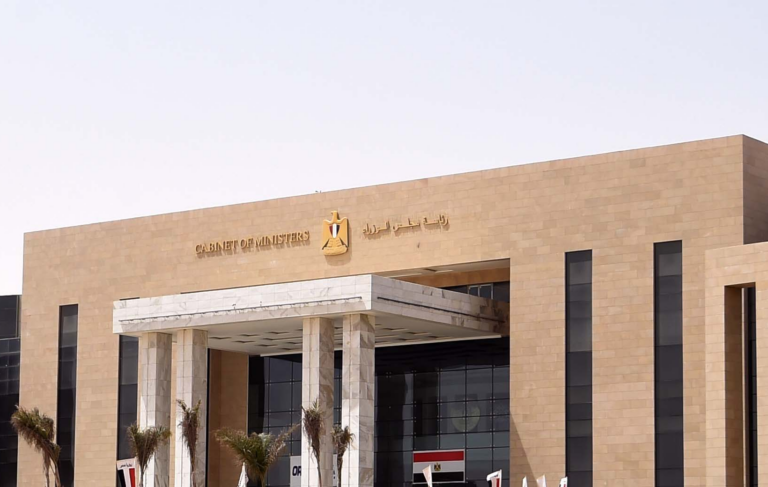
The vehicle is authorised under Prime Ministerial Decree No. 1864 of 2026, issued on 8 June and published in the Official Gazette, which allows the Ministry of Finance, the Suez Canal Authority and the General Authority for Universal Health Insurance, together with other parties, to set it up. Its stated purpose is to manage, develop and invest in real-estate assets and to enter partnerships with local and foreign private developers. The decree authorises the company’s establishment but does not confirm that it has yet been incorporated, and it makes no mention of any debt exchange.
The debt-for-equity element rests on a Bloomberg report, which said on 12 July that officials were studying a mechanism under which holders of certain domestic instruments, treasury bills foremost, could be offered shares in the company in exchange for their claims, with the equity backed by developable state land transferred into it. No official statement has confirmed the mechanism, its size, its pricing, whether participation would be voluntary or which securities and investors would qualify. The report said the finance ministry and the canal authority could contribute real estate in kind while the health-insurance authority could provide cash from its investment surplus, though those contributions and the reported timetable remain unconfirmed by the authorities.
If implemented, the exchange would replace part of the government’s short-term domestic liabilities with equity linked to real assets rather than cancel debt outright, so its fiscal benefit would depend on how the assets and the exchange are valued and on the new company’s governance. It would be distinct from Egypt’s bilateral debt-for-development swaps with creditor governments such as Germany, Italy and China, and from outright investment deals such as Ras El Hekma, the February 2024 agreement with an ADQ-led consortium valued at 35 billion dollars, comprising 24 billion for development rights and 11 billion of Emirati deposits converted into investments.
The plan comes as Cairo tries to bring down both its debt ratio and the heavy financing needs created by short maturities. The finance ministry’s medium-term debt strategy puts budget-sector debt at 83.8 percent of gross domestic product in 2024/25 and targets 78.1 percent in 2026/27, and notes that about 43 percent of domestic debt matures within a year, with gross financing needs near 40 percent of output. Interest payments are budgeted at about 2.42 trillion pounds in 2026/27, equal to roughly 46.7 percent of budgeted expenditure of about 5.18 trillion pounds, or about 29.6 percent of total budget uses of about 8.18 trillion pounds once debt repayments are counted, our calculation. Anything that trims that interest bill, even at the margin, is fiscally meaningful.
The idea also sits within Egypt’s IMF-backed programme and its slow-moving asset-sale drive. The Fund completed the combined fifth and sixth reviews of the 8 billion dollar Extended Fund Facility, alongside the first Resilience and Sustainability Facility review, in February 2026, releasing about 2.3 billion dollars, and its staff reached a further agreement on 29 June on the seventh EFF and second RSF reviews that, subject to Executive Board approval, would unlock an additional disbursement. In each, the Fund has pushed for stronger debt management, lower financing needs and a smaller state footprint, and has said progress on the divestment programme has lagged, part of why officials are reported to be seeking new ways to monetise assets and manage debt at the same time.
Why it matters: A market-based swap of short-term sovereign debt for equity in a professionally run property company could serve two goals at once, easing refinancing pressure while putting underused state assets to commercial use. But it would mainly change the shape of the public balance sheet rather than create value on its own: its credibility would rest on independent valuations, transparent governance, protection for minority shareholders and clear disclosure of the liabilities being retired, and on investors trusting the property returns enough to give up a direct government claim. For the wider region, Egypt is one of the most closely watched emerging-market stabilisation cases, and a credible debt-management innovation would be read positively, even as the terms remain unknown.
Outlook: The first test is the company’s actual incorporation and the publication of its capital, founding shareholders and initial assets. For the reported swap, markets will want to know whether participation is voluntary, which instruments qualify, how debt and assets are valued, how holders could later sell their shares, and how the IMF and the rating agencies treat it. No capital, swap volume or targeted debt reduction has been disclosed, so for now the company is best read as officially authorised but not yet operational, and the debt-for-equity component as a reported proposal rather than settled policy.
Sources: Egyptian Official Gazette; Egyptian Ministry of Finance; International Monetary Fund; ADQ; Bloomberg.