Egypt Lifts Its 2030 Renewables Goal to 50 Percent and Says Its 2028 Grid Is Funded
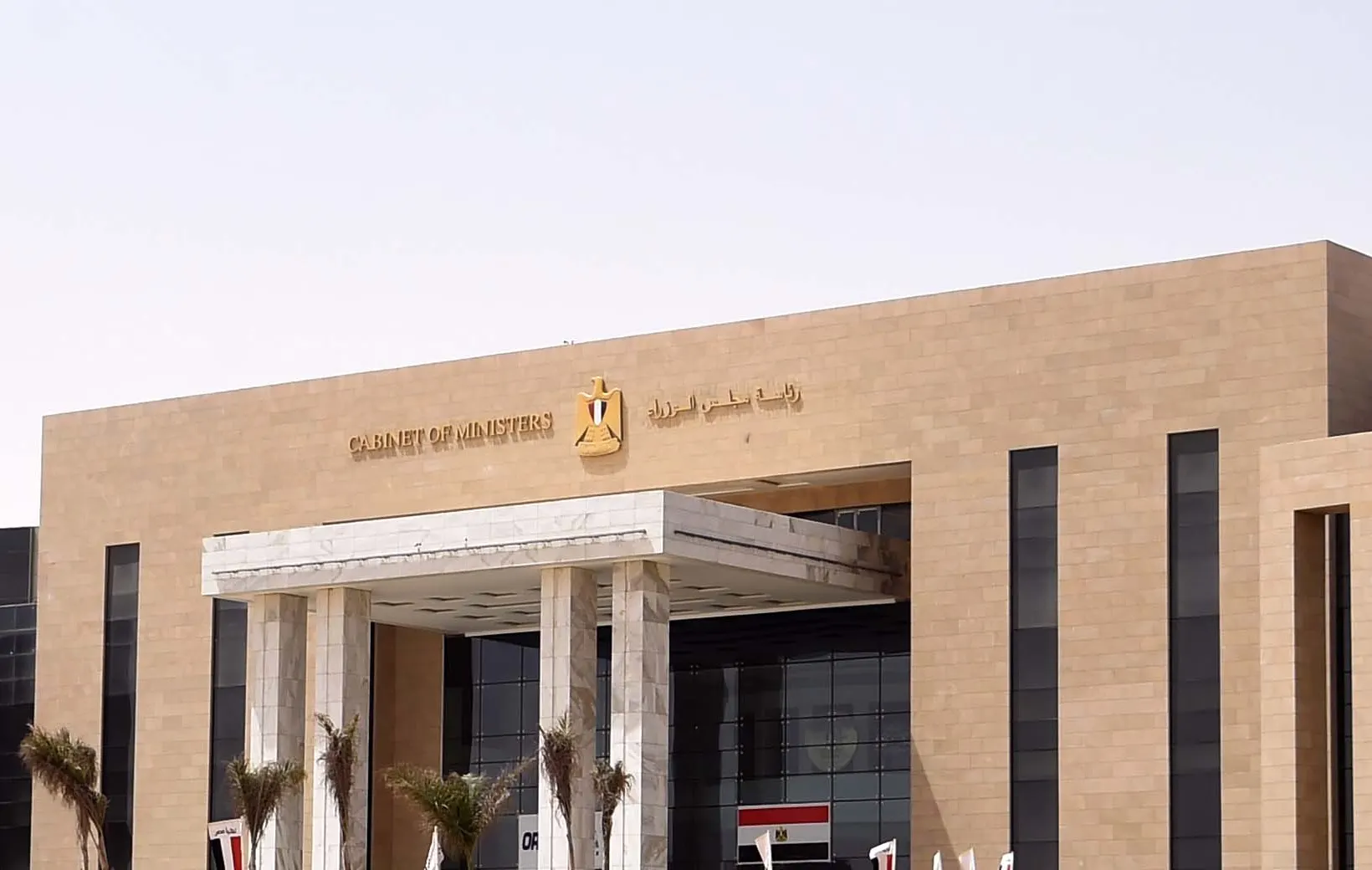
Egypt is aiming for 50 percent of its energy mix from new and renewable sources by 2030, up from 42 percent in the original plan, Prime Minister Mostafa Madbouly told the Egypt Forum 2026 on Thursday. The nearer step is 45 percent by 2028, and the money for the grids it needs is allocated and written into the state’s plan, he said. Those grids will cost an estimated 200 billion Egyptian pounds, he added. The 2028 goal was already public: Presidency statements carried it on 18 May and again on 12 August.
A Faster Path to 50 Percent
The 2030 goal is now 8 percentage points higher than in the original plan, on our calculation. The 2028 step sits 3 points above the old 2030 target and arrives 2 years earlier, on our calculation.
The original plan included expanding solar and wind generation with battery storage, the Prime Minister said at the forum’s energy session on its fourth day. President Abdel Fattah El-Sisi had directed the government to speed up raising the share, so the steps were brought forward to a goal of 45 percent by 2028, he said. The President also directed that bodies set up to support the state, such as the Tahya Misr Fund and the Future of Egypt agency, work to lift the share to 50 percent by 2030. A second programme to 2030 targets that 50 percent, he said.
Egypt’s renewables share targets
| Year | Original plan | Current goal |
|---|---|---|
| 2028 | not stated | 45% |
| 2030 | 42% | 50% |
Share of new and renewable energy in Egypt’s energy mix, as stated by the Prime Minister on 22 October 2026. Presidency statements carried the 2028 goal earlier: on 18 May as the share of clean energy, and on 12 August as a share of total energy generated.
He chose to cite a single cost, the grid, after the President asked what a solar or wind plant costs. He gave no cost for the second programme to 2030.
What Is Already Running
The New and Renewable Energy Authority’s quarterly bulletin, Issue 31 dated July 2026, lists the renewable plants in operation plus 500 megawatt hours of battery storage. Its plant figures add up to 9,616.56 megawatts, on our sum.
Egypt’s renewable capacity in operation (MW)
| Source | Public | Private | Total |
|---|---|---|---|
| Hydro | 2,982 | 0 | 2,982 |
| Wind | 1,233.2 | 1,662.5 | 2,895.7 |
| Solar | 246 | 3,492.86 | 3,738.86 |
| Total | 4,461.2 | 5,155.36 | 9,616.56 |
Quarterly bulletin, Issue 31, July 2026. Wind, solar and all totals are our sums of the bulletin’s public and private figures.
Private developers own 53.6 percent of that capacity, on our calculation. Wind and solar make up 69.0 percent of it, on our calculation. Hydro plants make up the rest.
The pipeline is far larger. The authority lists 20.8 gigawatts of projects in construction and development through 2030, plus 13,850 megawatt hours of storage. That is 2.2 times the capacity now running, on our calculation. Private developers hold all but 20 megawatts of it: 12,069 megawatts of wind and 8,740 megawatts of solar.
The bulletin’s annual chart, which it labels projections, shows renewable generation rising from 24.3 terawatt hours in fiscal 2021/22 to 34.8 terawatt hours in fiscal 2025/26. That is a 43.2 percent increase over 4 years, on our calculation. Its headline panel shows total generation up 8.84 percent.
Renewable generation, April to June 2026 (GWh)
| Month | Hydro | Wind | Solar |
|---|---|---|---|
| April | 1,695.8 | 731.4 | 677 |
| May | 1,707.6 | 1,085 | 787.9 |
| June | 1,512 | 1,057 | 803.9 |
Quarterly bulletin, Issue 31, fourth quarter of fiscal 2025/26. Quarter total 10,057.6 GWh, on our sum.
Wind and solar produced 51.1 percent of renewable output in the quarter, on our calculation, ahead of hydro. Their share climbed from 45.4 percent in April to 55.2 percent in June, on our calculation. Solar output alone rose 18.7 percent between April and June, on our calculation. The bulletin does not give renewables’ share of Egypt’s total power output, so the distance to the 45 percent goal cannot be measured from it.
How the State Covers the Energy Bill
Egypt’s budget assumed 75 dollars a barrel for oil, the Prime Minister said, against an estimated 110 dollars now. December Brent settled at 108.82 dollars on 21 October, in The Edge’s commodities wrap. That is 45.1 percent above the budget price, on our calculation. The gap comes to 33.82 dollars a barrel, on our calculation.
The higher price also reaches the natural gas burned to generate power, he said. Cargoes that cost a given sum 2 years ago now cost double. A doubling over 2 years works out at 41.4 percent a year, on our calculation. The government’s economic group meets the central bank governor 2 to 3 days a week to line up pound and dollar funding for shipments.
He set out 3 ways to handle the gap. The first passes the full increase to consumers, as many countries have done. The second has the state absorb it, by borrowing if needed. Debt taken on today could reach an estimated twice its value within 7 years as interest builds, he said. That pace implies compounding at 10.4 percent a year, on our calculation. Under the third, spending kept at budget levels would buy an estimated 50 or 60 percent of citizens’ needs at the new prices, with power cuts that could last 6 to 8 hours a day, he said. The state carries the larger share of the cost of providing energy and will do so in the near term, he added.
The Wider Spending Picture
The forum turned to social spending a day earlier. The allocation for ration and bread subsidies reached an estimated 178 billion pounds this year, the Prime Minister said on Wednesday. That compares with an estimated 32.8 billion pounds in 2013 and 2014, he said. The figure reached 127 billion pounds in 2023, then rose in steps to 134 billion and 160 billion pounds. This year’s figure is 5.4 times the 2013 and 2014 level, on our calculation. It is 11.3 percent above the previous step, on our calculation.
The Takaful and Karama programme has reached an estimated 8.2 million families over its life, he said, and an estimated 4.7 million receive it now. Current recipients equal 57.3 percent of all families it has supported, on our calculation. Allocations for health and education rose 30 percent and 20 percent against the previous years, he said.
Housing Minister Randa El-Menshawy told the forum that 635.1 billion pounds went into drinking water and sanitation between 2014 and 2026. Drinking water now reaches 99 percent of the country, against an estimated 95 percent in 2014, she said. Desalination capacity rose from 84,000 cubic meters a day at 36 plants in 2014 to 1.4 million cubic meters a day at 129 plants. That is 16.7 times the earlier level, on our calculation.
Why it matters: Egypt’s 2030 goal is now 50 percent, and the grid for the 2028 step comes with its cost named and the money allocated, the Prime Minister said. On our reading, every extra unit of solar and wind power trims the fuel Egypt buys at today’s prices. Private developers already own most of the wind and solar fleet and almost all of the pipeline.
Outlook: The authority publishes its bulletin every 3 months, and the next issue will show whether wind and solar stayed ahead of hydro into the first quarter of fiscal 2026/27. The 20.8 gigawatt pipeline runs through 2030, the year of the 50 percent goal. The cost of the second programme to reach it is the next figure to watch.
Sources: Egyptian Cabinet, Egyptian Presidency, New and Renewable Energy Authority, Ministry of Housing, Utilities and Urban Communities, The Edge.