Egypt’s Transit Trade Grows 40 Percent Since March as Suez Canal Receipts Climb 22 Percent
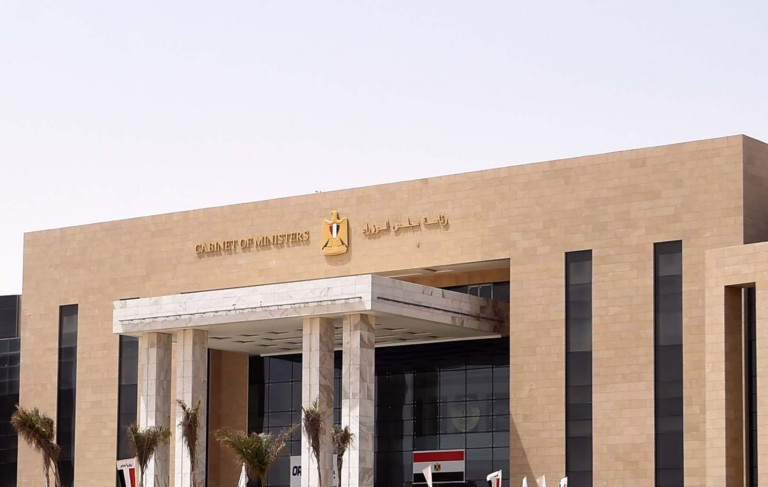
Egypt’s transit trade is extending a rebound that took hold earlier this year, as more goods move through the country’s ports and customs on their way to other markets. Finance Minister Ahmed Kouchouk said on Monday, at the signing of a new customs-guarantee agreement, that transit trade had grown about 40 percent since March, building on official data that showed volume up 35 percent year on year in the first quarter. Kouchouk credited customs and tax reforms for the momentum, part of a drive to make Egypt a more competitive regional logistics hub.
He pointed to a package of measures aimed at turning Egypt into a regional logistics hub: faster customs clearance, a value-added-tax exemption on goods in transit, digitisation of procedures, and upgraded risk management, alongside the new international road-transport guarantee scheme signed on Monday. The framing is that lower friction and cost, not just geography, are pulling cargo through Egyptian territory.
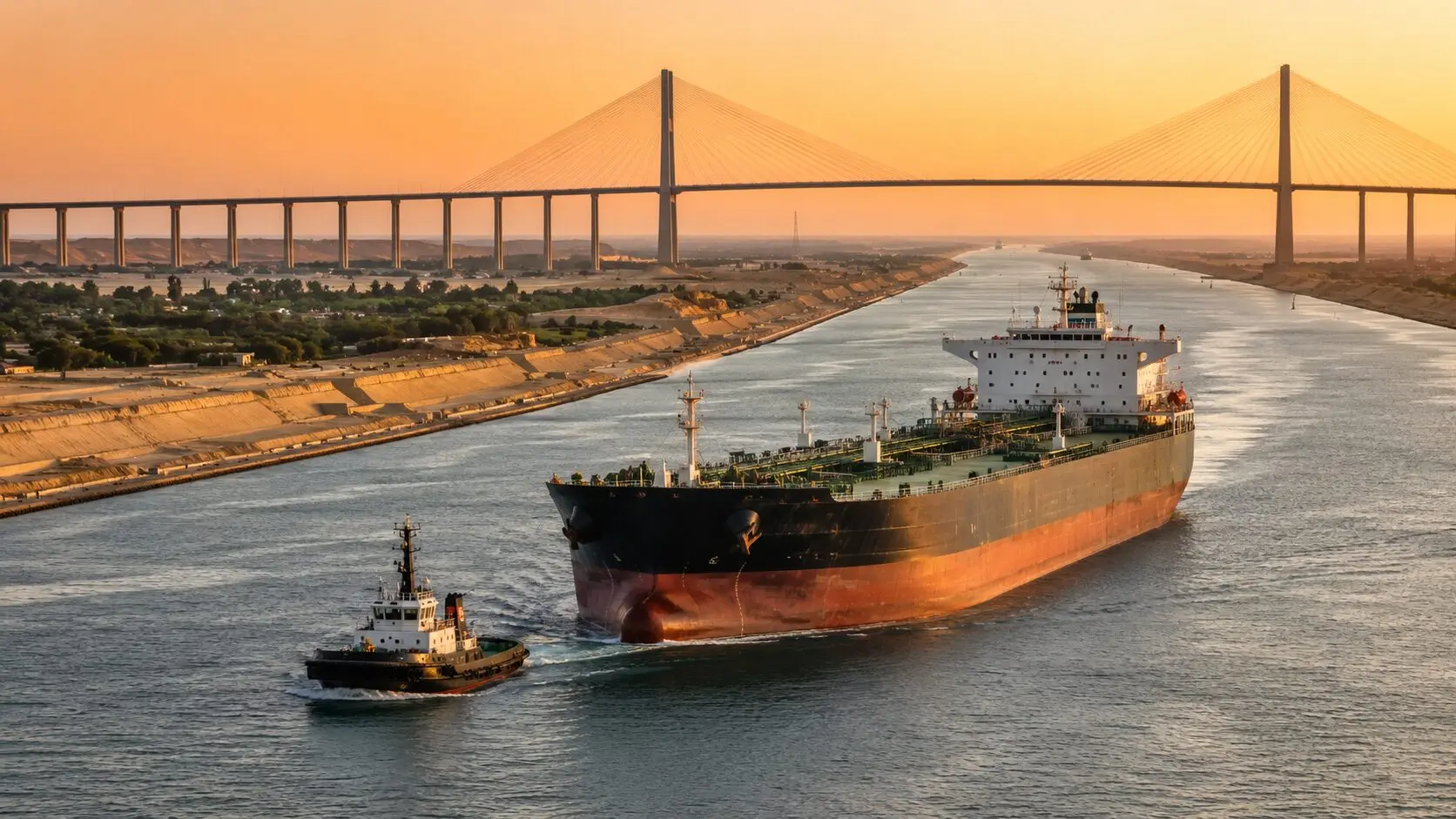
The trend shows up in the canal data. Suez Canal receipts rose 22.1 percent to 3.2 billion dollars in the first nine months of the 2025/26 fiscal year, according to the Central Bank of Egypt’s latest balance-of-payments release, while net tonnage passing through climbed 18.5 percent to 426.9 million tonnes and the number of transiting vessels rose 7.6 percent to about 10,000.
| Indicator | Figure |
|---|---|
| Transit-trade volume, Q1 2026, year on year | plus 35 percent |
| Suez Canal receipts, 9 months FY2025/26 | 3.2 billion dollars, plus 22.1 percent |
| Suez Canal net tonnage, 9 months | 426.9 million tonnes, plus 18.5 percent |
| Transiting vessels, 9 months | about 10,000, plus 7.6 percent |
| Remittances, 9 months FY2025/26 | 34.9 billion dollars, plus 32 percent |
| Tourism receipts, 9 months FY2025/26 | 14.4 billion dollars, plus 14.9 percent |
| Ports container traffic, 2025 | 11.1 million TEUs, plus 24.3 percent |
| Transit-container traffic, 2025 | 6.7 million, plus 36 percent |
Egyptian ports reinforced the picture, handling 11.1 million twenty-foot-equivalent containers in 2025, up 24.3 percent, with transit containers rising 36 percent to 6.7 million units, according to the transport ministry.
The recovery follows a sharp downturn. Canal and transit activity fell heavily after shipping through the Red Sea was disrupted from late 2023, so the year-on-year comparisons partly reflect a low base as previously diverted traffic returns. Wider disruption across the Red Sea and Strait of Hormuz shipping lanes may be shaping individual routing decisions, but the minister did not quantify that effect or present it as the main cause. The improvement sits within a broader strengthening of Egypt’s external accounts: the central bank reported a narrower balance-of-payments deficit, remittances up 32 percent to 34.9 billion dollars, and tourism receipts up 14.9 percent to 14.4 billion dollars over the first nine months of the fiscal year.
Why it matters: Transit activity, port services and Suez Canal receipts are among Egypt’s most important sources of foreign currency, and their recovery eases the pressure on a balance of payments the government has spent two years working to stabilise. If the reforms Kouchouk describes make Egypt a lower-cost route regardless of the regional shipping picture, the gains are more durable than a temporary diversion of ships. For the Gulf, Egypt’s logistics build-out offers an alternative overland and maritime corridor at a time when shippers are actively weighing options around the region’s chokepoints.
Outlook: The near-term markers are whether the canal’s receipts and port throughput keep climbing as global shipping patterns settle. A lasting shift would show up as higher volumes even after Red Sea traffic normalises, evidence that the reforms have delivered a structural gain rather than a temporary bump.
Sources: Egyptian Ministry of Finance; Central Bank of Egypt; Egyptian Ministry of Transport; Ahram Online.