A Fed Rate Increase Returns as a Live Risk as Inflation Climbs Ahead of Warsh Testimony
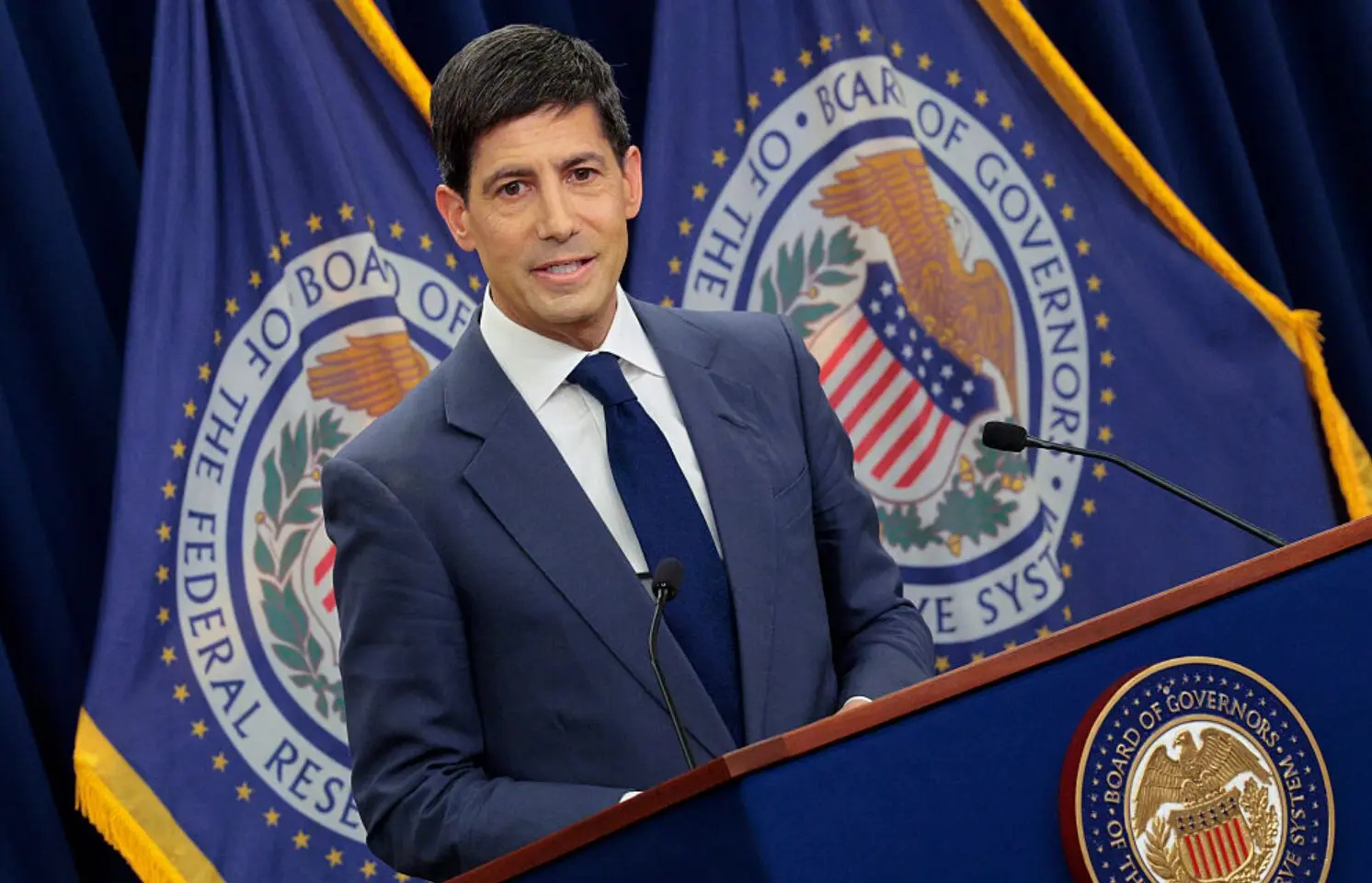
A US interest-rate increase has returned as a live policy risk as inflation climbs. The Federal Reserve’s first semiannual report to Congress under new Chair Kevin Warsh, published on Friday, documented a renewed rise in consumer prices, and the central bank’s June projections showed most policymakers leaning toward tighter policy. The report itself stops short of threatening a hike, but Governor Christopher Waller warned this week that another hot inflation reading could require one in the near term, and the report reaffirms that the Fed will deliver price stability. Warsh presents it to Congress over two days of testimony beginning Tuesday.
The Fed held its benchmark rate at 3.50 to 3.75 percent at its June meeting, a unanimous decision, and has not moved it this year. But its projections lean hawkish: nine of the eighteen policymakers expected the year-end rate to sit above the current level, and the median forecast rose to 3.8 percent from 3.4 percent three months earlier. The report attributes the pickup in inflation to earlier tariff increases, a jump in energy prices tied to conflict in the Middle East, and demand linked to artificial intelligence. Over the year to May, headline inflation on the Fed’s preferred gauge ran at 4.1 percent and the core measure, which strips out food and energy, at 3.4 percent, up from 2.8 percent a year earlier and well above the 2 percent goal.
| Indicator | Latest |
|---|---|
| Fed funds target range | 3.50 to 3.75 percent, held 17 June, 12 to 0 |
| Officials projecting a higher year-end rate | 9 of 18 |
| Median 2026 rate projection | 3.8 percent, up from 3.4 |
| Total PCE inflation, 12 months to May | 4.1 percent |
| Core PCE inflation, 12 months to May | 3.4 percent, up from 2.8 |
| Inflation goal | 2 percent |
| Next policy meeting | 28 to 29 July |
The hawkish message has grown louder in recent days. Governor Christopher Waller said a rate increase may be needed in the near term if inflation stays well above target, and markets have begun pricing a modest chance of a move at the 28 to 29 July meeting. The report and the June projections establish the inflation problem and show how policymakers’ preferred paths have shifted; Waller’s remarks show at least one voting official is ready to discuss raising rates, though the committee has made no such decision. Warsh, who became chair in May, gives his first congressional testimony on Tuesday to the House and Wednesday to the Senate, where lawmakers will press him on whether the Fed is prepared to raise rates into a slowing economy. With the report leaning on inflation risk rather than growth, the burden of proof has shifted toward the doves, our reading.
Why it matters: A Federal Reserve that is even weighing higher rates, rather than the cuts markets expected a year ago, reprices everything from the dollar to emerging-market borrowing costs. For the Gulf, whose currencies are pegged to the dollar, the Fed’s stance passes almost directly into local monetary conditions: a higher-for-longer or higher-still US rate keeps Gulf funding costs elevated even as oil revenue swings. For Egypt and other emerging markets, a hawkish Fed complicates the path to lower rates and cheaper external financing. The oil-price spike now under way, if sustained, would only reinforce the inflation worry the report describes.
Outlook: The immediate markers are Tuesday’s US consumer-price release and Warsh’s testimony ninety minutes later, then the 28 to 29 July policy meeting. If the inflation data confirm the report’s concern, a hike moves from tail risk toward live option; if prices cool, the Fed can hold and let the restrictive stance do the work. Either way, the assumption that the next Fed move must be downward has, for now, been set aside.
Sources: Federal Reserve; Reuters.