
UK Inflation Slows to a 15-Month Low of 2.6% Ahead of Next Week’s Bank of England Decision
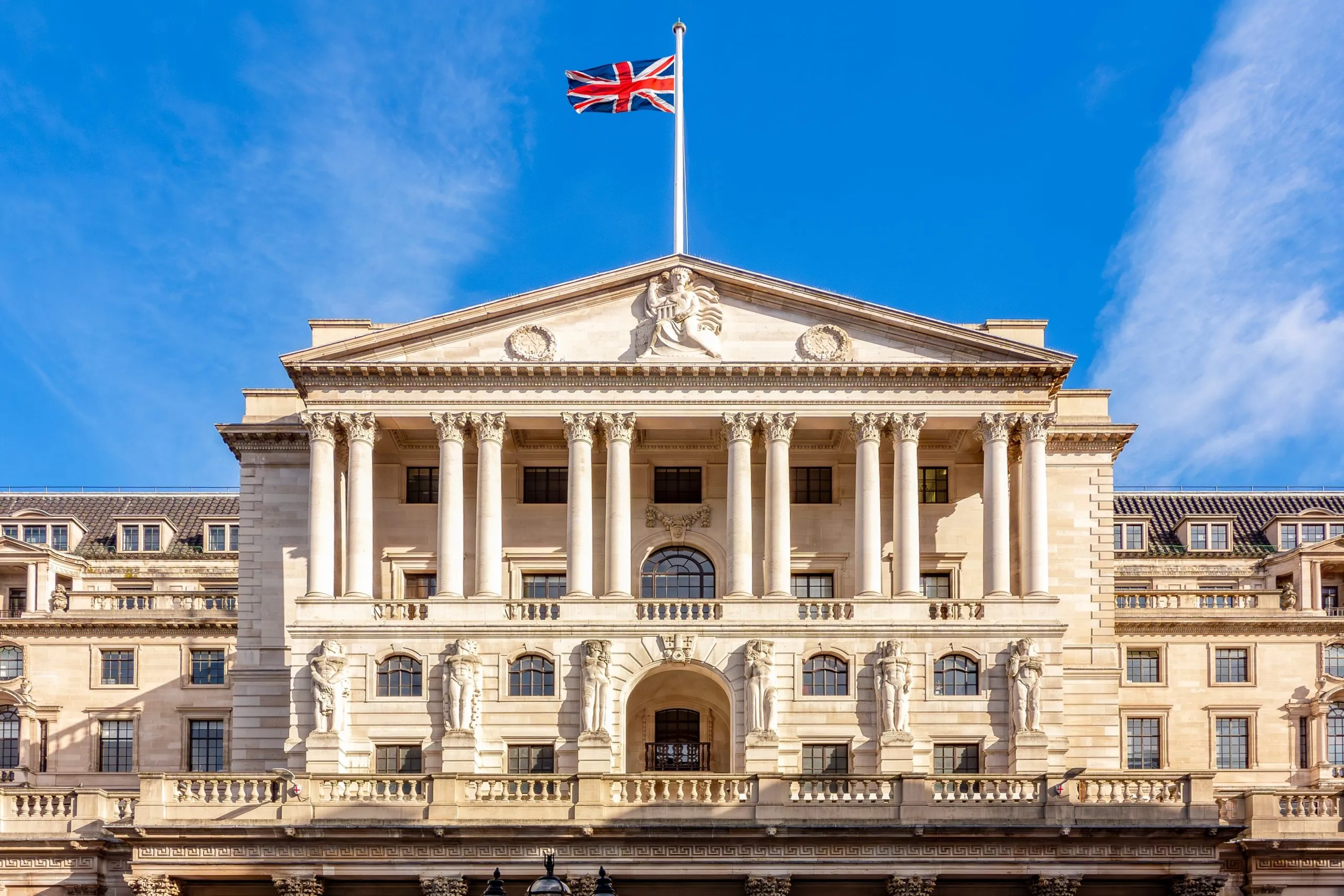
UK inflation slowed more than expected in June to its lowest level in 15 months, easing pressure on households and reshaping the debate at the Bank of England ahead of its interest rate decision next week.
The Consumer Prices Index rose 2.6 percent in the year to June, down from 2.8 percent in May and below the 2.7 percent economists had expected, according to the Office for National Statistics. It was the lowest reading since March 2025.
Core inflation, which strips out energy, food, alcohol and tobacco, held at 2.6 percent. Services inflation, a gauge the Bank of England watches closely, eased to 3.6 percent from 3.7 percent, while goods inflation slowed to 1.7 percent from 2.0 percent.
What drove the slowdown
The largest downward pull came from transport, food and non-alcoholic drinks. Average petrol prices fell 2.1 pence a litre between May and June and diesel dropped 10.7 pence a litre, the first easing at the pumps since energy prices spiked earlier in the year on Middle East supply disruption. Softer food and drink price growth added to the improvement.
The relief may prove temporary. The domestic energy price cap rose by 221 pounds to 1,862 pounds a year on 1 July, and economists expect inflation to climb again over the summer and into the autumn as higher energy costs feed through. A government decision to remove value added tax on household electricity bills from 1 October, cutting the rate from 5 percent to zero, is expected to trim headline inflation by about 0.1 percentage point once it takes effect.
The Bank of England faces an awkward mix
The data lands a week before the Bank of England’s next Monetary Policy Committee decision on 30 July. The Bank held its key Bank Rate at 3.75 percent in June, in a 7 to 2 vote in which two members pushed for an increase to 4 percent, reflecting concern that the energy shock could keep inflation elevated.
The softer June print reduces the immediate case for a rate rise, but it does not settle the debate. The Bank has guided that inflation could run a little under 3 percent in the third quarter and a little above 3.25 percent in the fourth, meaning policymakers must weigh cooling current data against an expected pickup ahead. Markets broadly expect rates to stay on hold at 3.75 percent next week, with the direction of the next move still contested.
Why it matters
The UK is a major destination for Gulf trade, investment and property, and sterling assets feature in many regional portfolios and sovereign holdings. A clearer path on UK inflation and interest rates affects the pound, gilt yields and the returns on those holdings. For Gulf investors and institutions, the June data points to a central bank that is close to the end of its tightening debate but not yet ready to ease, keeping UK rates higher for longer.
The episode also mirrors a wider pattern facing the region’s own policymakers: an energy-driven inflation impulse that complicates the timing of rate cuts, even where underlying price pressures are easing.
Outlook
Attention now turns to the 30 July decision and the accompanying vote split and guidance. The key variables are the path of energy prices, services inflation, wage growth and how quickly the summer rebound in headline inflation materialises. A sustained return to the 2 percent target is not expected in the near term on the Bank’s current projections.
Sources: Office for National Statistics; Bank of England.