The Japanese Yen Falls to Its Weakest Since 1986, Near 163 to the Dollar, as Tokyo Pledges Decisive Action
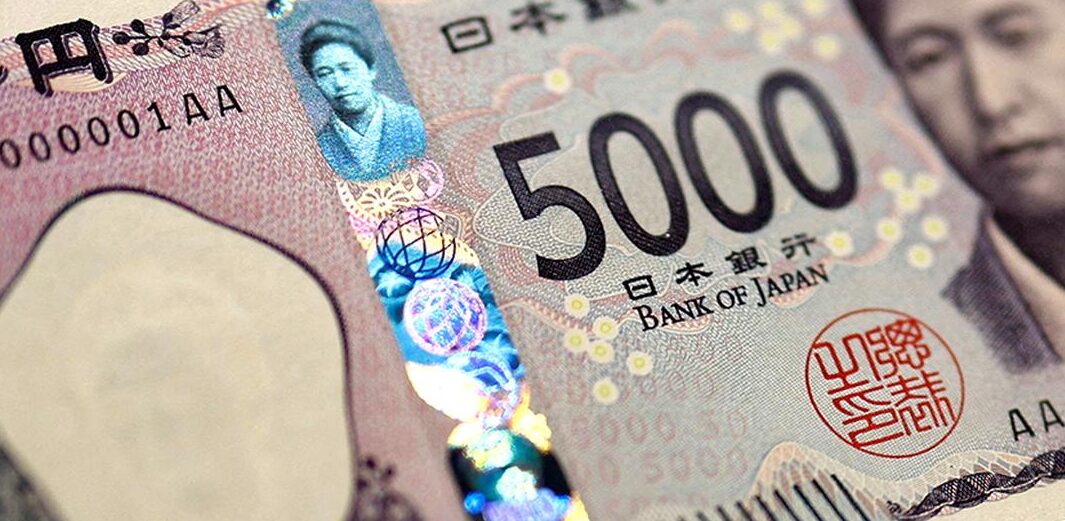
The Japanese yen has fallen to its weakest level since 1986, with the dollar reaching around 163 yen, prompting the government in Tokyo to signal that it is ready to intervene. The slide extends a prolonged period of weakness for the yen, driven largely by the wide gap between Japanese interest rates and the higher rates on offer in other major economies.
Japan’s finance minister, Satsuki Katayama, said the government’s stance had not changed and that it would take decisive action appropriately at any time if needed, while other officials indicated the authorities were ready to respond as appropriate. Such language is typically used to warn markets that Japan could step into the currency market to support the yen, as it has done during previous bouts of sharp weakness.
At the same time, Japanese government bonds have been drawing renewed interest as their yields rise. Yields on longer-dated Japanese debt have climbed to their highest in decades, lifted by expectations of firmer inflation and by concern over the country’s public finances, a marked shift for a market that spent years anchored near zero. Higher yields make Japanese debt more attractive to investors but also raise the government’s borrowing costs.
Why it matters: The yen is one of the world’s most heavily traded currencies, and moves of this size ripple through global markets, affecting Japanese exporters, international investors and the flows of capital that Japan sends abroad as one of the world’s largest creditor nations. A weaker yen and rising Japanese yields can shift global investment patterns, including the appetite of Japanese investors for foreign assets, which matters for markets worldwide.
Outlook: The key questions are whether Tokyo follows its warnings with actual intervention, and whether the Bank of Japan moves further away from its long period of ultra-loose policy as inflation and bond yields rise. The interplay between currency weakness, rising yields and policy will remain a focal point for global markets through the rest of 2026.
Sources: Reuters.