Oil settles 3.83 percent higher as Hormuz transit fee terms remain unsettled
Brent crude settled at 82.49 dollars a barrel on 6 August 2026, up 3.04 dollars or 3.83 percent, and West Texas Intermediate settled at 77.29 dollars, up 2.07 dollars or 2.75 percent, as traders weighed competing accounts of how and when the Strait of Hormuz might reopen. In Asian trading on 7 August Brent was quoted at 83.29 dollars, up 80 cents or 0.97 percent at 0303 GMT, with West Texas Intermediate at 77.93 dollars, up 64 cents or 0.83 percent. Reuters reported both benchmarks were nonetheless heading for a weekly loss of roughly 8 percent.
The commercial terms are the unresolved question, and the gap between the parties is wide.
| Transit fee positions, as reported by Reuters | Level sought |
|---|---|
| Iran | 5 to 7 percent of cargo value |
| Oman, in discussion | about 3 percent |
| United States | no fee at all |
| Gulf negotiators | any fee to be voluntary |
| Proposed penalty for violators | up to 20 percent of cargo value |
Two accounts circulated within a day of each other and both are accurate at different levels. On 5 August Reuters reported a draft proposal that would give Iran control over ships heading into the Gulf, with Iran’s role over outbound vessels the main sticking point and important details still to be agreed. The same day Iran’s foreign ministry said Tehran and Muscat had reached a mutual understanding on the geographical parameters of the route, with a joint statement in final drafting. On 6 August Bloomberg reported an Iranian deputy foreign minister saying an understanding in principle had been reached on almost all issues raised, including the map of maritime entry and exit routes, potentially valid for two to four months, with approval by Iran’s leadership and the fee structure still outstanding.
Then on 7 August Reuters reported that an Iranian parliamentary committee is reviewing a preliminary bill that would bar vessels of the United States and of certain other states, along with any vessel deemed hostile, and fine violators up to 20 percent of cargo value. That is the most recent retrievable position, and it is more restrictive than the understanding described the day before. Our reading is that there is no concluded agreement: an in-principle understanding on route geography sits alongside an unagreed commercial draft and a newer legislative text now in committee.
A separate obstacle has little to do with the negotiation. Reuters reported on 6 August that the United States Treasury has prohibited American persons from receiving services from Iran’s government relating to a guarantee of safe passage. On 23 July the Lloyd’s Market Association published model marine hull wording, the Strait of Hormuz Transit Fee Condition, numbered LMA5708, under which insurers have no liability to indemnify a transit fee payment and are discharged from their obligations in respect of a vessel where such a payment has been made, with a carve-back only for maritime and navigational services permissible under the United Nations Convention on the Law of the Sea. The association is explicit that its model clauses are illustrative and that parties may agree different terms, so the condition bites only where it is incorporated into a policy rather than automatically across the market. Industry sources described the resulting position to Reuters as a catch-22: a shipowner who pays to transit may find cover discharged, and one who does not pay may not transit.
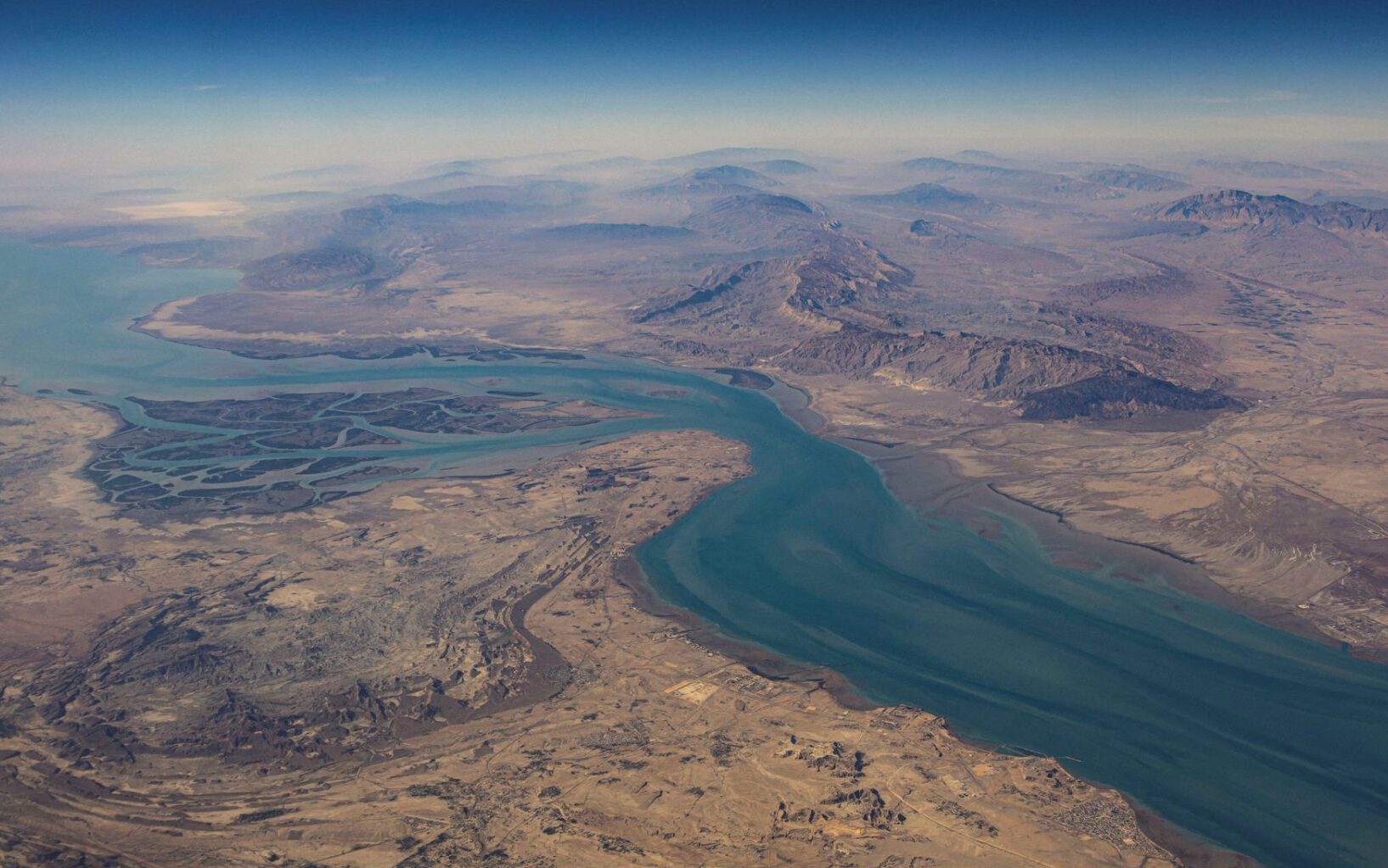
Traffic reflects the impasse. Reuters, citing vessel-tracking data, reported that 130 to 140 transits a day were normal before the waterway closed on 28 February 2026. Roughly one fifth of global oil and liquefied natural gas moved through the strait before the disruption. Brent fell below 80 dollars on 4 August for the first time since 13 July.
Oman is the only mediator named in any of the reporting, and Iran has said it negotiates through mediators in Muscat. Qatar’s Emir discussed narrowing differences in a call with the United States President on 5 August, and Doha has urged a resumption of talks, but no permitted source describes a formal Qatari mediating mandate. No official statement from Kuwait, Saudi Arabia or the United Arab Emirates on the negotiation could be verified.
Why it matters: a very large crude carrier holding two million barrels at 80 dollars carries a cargo worth 160 million dollars. On our calculation Iran’s 5 to 7 percent range would cost between 8.0 and 11.2 million dollars a voyage, or 4.00 to 5.60 dollars a barrel, against 4.8 million dollars or 2.40 dollars a barrel at the 3 percent level discussed in Muscat. These are negotiating positions rather than an agreed tariff, but the spread between them is the whole argument in one number, and it explains why the geography was settled before the economics. For Kuwait and its Gulf neighbours the more immediate point is the insurance condition: even a fully agreed reopening does not restore traffic if cover is discharged the moment a fee is paid. Our reading is that the commercial and legal architecture, not the diplomacy, is now the binding constraint.
Outlook: the items to watch are approval of the route understanding by Iran’s leadership, whether the parliamentary bill advances or is set aside, whether the Lloyd’s wording is revised or widely incorporated, and whether any fee is settled as voluntary. Until those resolve, the eight percent weekly fall in crude prices should be read as a market pricing the possibility of reopening rather than the fact of it.
Sources: Reuters, 5 August 2026; Reuters, 6 August 2026; Reuters, 7 August 2026; Bloomberg, 6 August 2026; Lloyd’s Market Association, LMA5708 Strait of Hormuz Transit Fee Condition, 23 July 2026.