Korean Household Debt Has Passed 2,000 Trillion Won, and the Central Bank Is Now Raising Rates Into It
Korean household credit reached 2,019.8 trillion won at the end of June, the first reading above two thousand trillion. The quarterly increase was 25.9 trillion won, and it is the ninth consecutive quarterly rise. The last decline in the series was in the first quarter of 2024.
It is also the largest single-quarter increase of that run, and close to twice the average of the eight that preceded it.
Where it sits
Household loans account for 1,891.3 trillion won, or 93.6 percent of the total. Merchandise credit — the credit extended by card and instalment-finance companies against purchases of goods and services — accounts for 128.5 trillion won, or 6.4 percent, and rose 0.9 trillion in the quarter.
Almost the entire quarterly increase therefore came from lending rather than from consumer credit at the point of sale. Year on year the total is up about 3.4 percent, with loans up 3.2 percent and merchandise credit up 6.9 percent.
The policy setting has turned
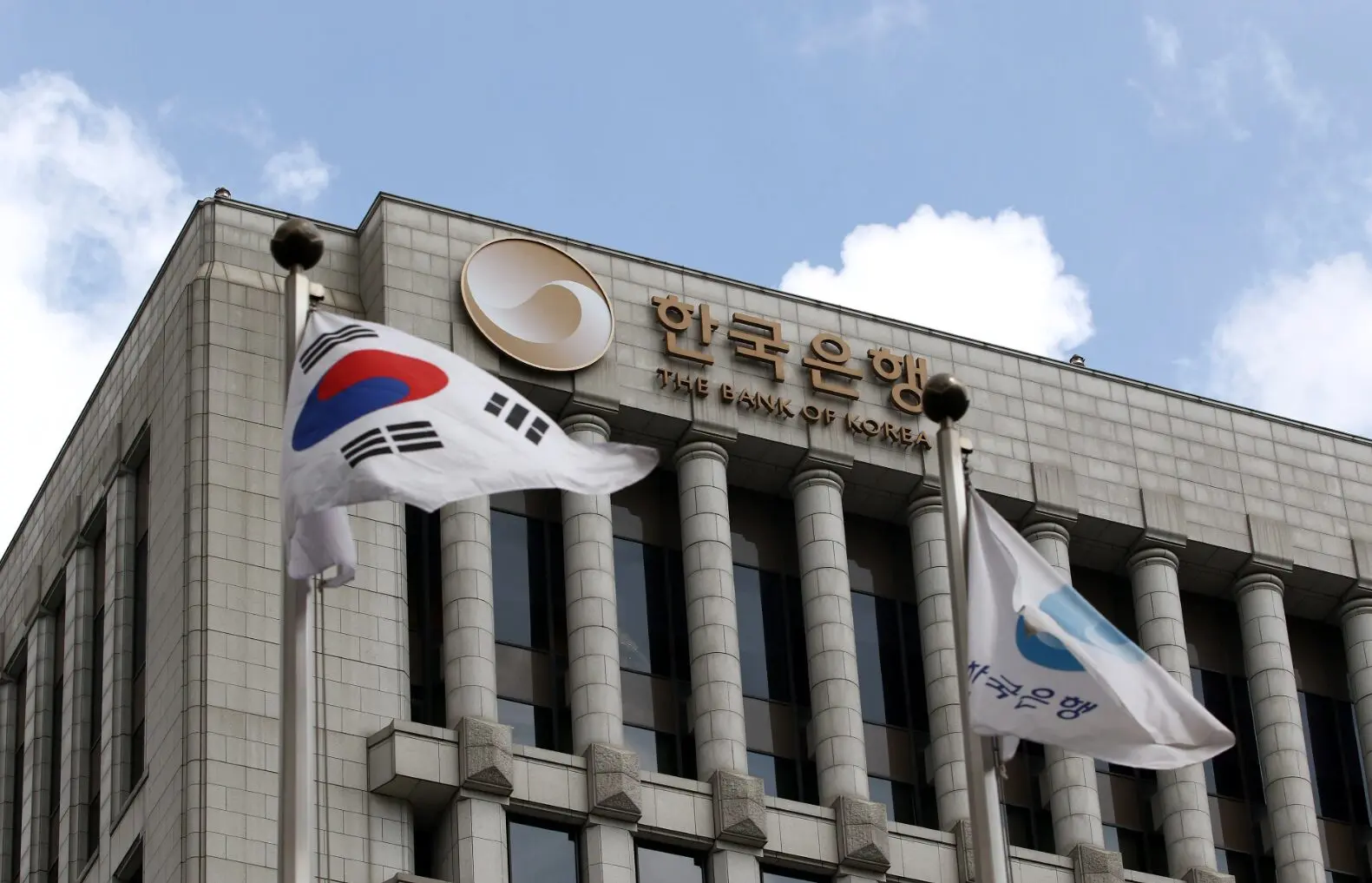
The Bank of Korea raised its base rate by 25 basis points on 16 July, from 2.50 to 2.75 percent — the first increase in more than three years. The decision statement named household lending directly, noting that household loans in the financial sector “continued to increase at a high monthly pace of 8 to 9 trillion won, driven by sustained growth in housing-related loans and a sharp rise in other loans.”
It also named the housing market: “There are concerns that housing prices in Seoul and its surrounding areas will continue to rise sharply, considering that home-buying capacity has expanded due to improved income and asset conditions.”
The quarter covered by yesterday’s data ended on 30 June, two weeks before that increase. The tightening has not yet shown up in the household credit series at all.
The stock is already large by international standards
On the Bank for International Settlements measure of total credit to households, which is broader than the Bank of Korea’s series, Korean household debt stood at 88.6 percent of GDP at the end of 2025, down from 89.6 percent a year earlier. That is among the highest ratios in the OECD, and the decline through 2025 reflected nominal GDP growth outpacing debt growth rather than any reduction in the stock.
A 25.9 trillion won quarterly increase, the largest of the current run, could slow or reverse that decline if the faster pace of debt growth is sustained. The ratio itself also depends on the path of nominal GDP and on components outside the Bank of Korea’s series, so the quarterly figure alone does not settle the direction.
Sources
- Bank of Korea, Household Credit in Q2 2026, preliminary, 19 August 2026
- Bank of Korea, Monetary Policy Decision, 16 July 2026
- Bank for International Settlements, total credit to households, Korea, series updated June 2026