Qatar Joins AFAQ and Completes the Gulf Payment System’s Central Bank Layer
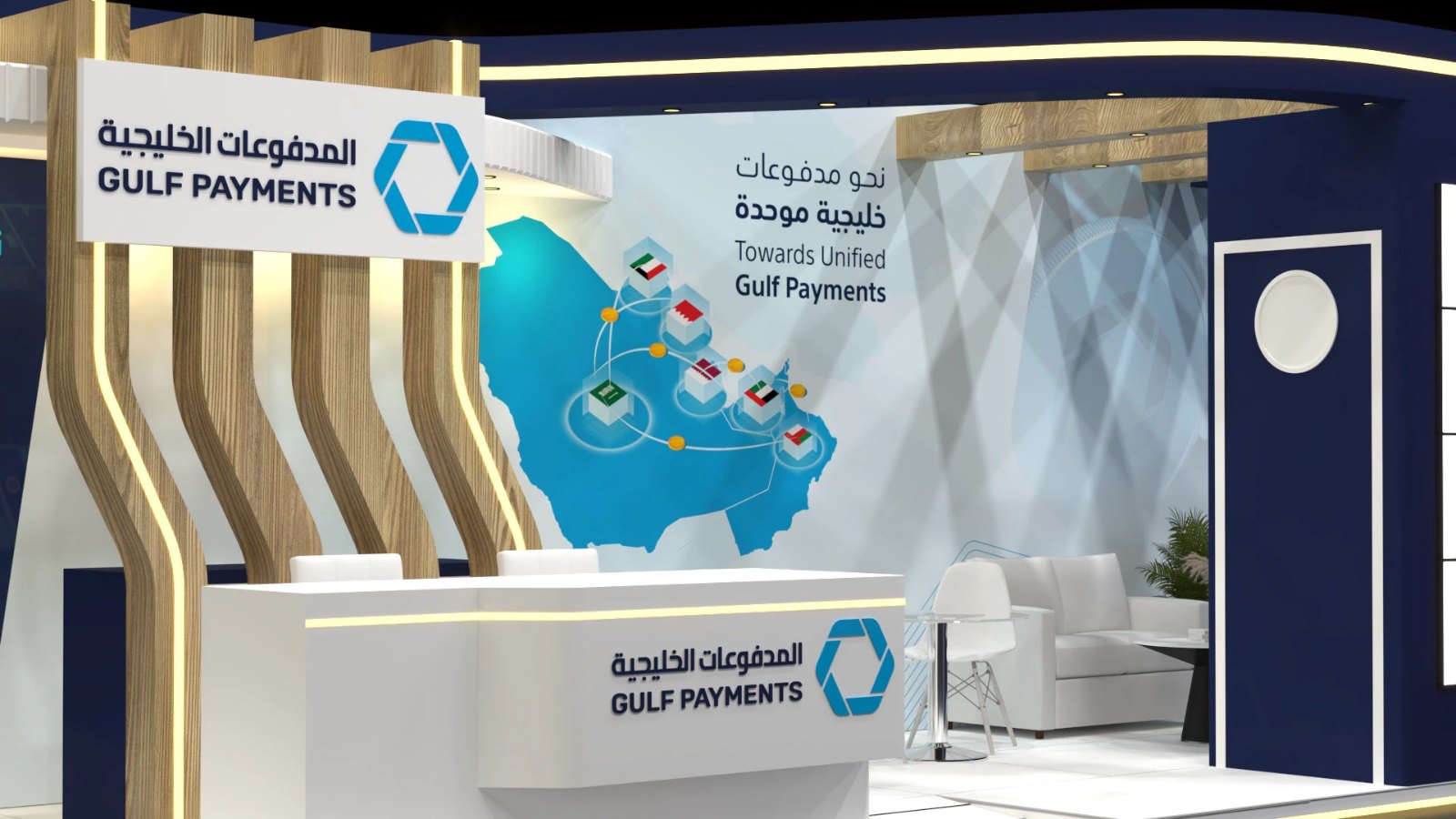
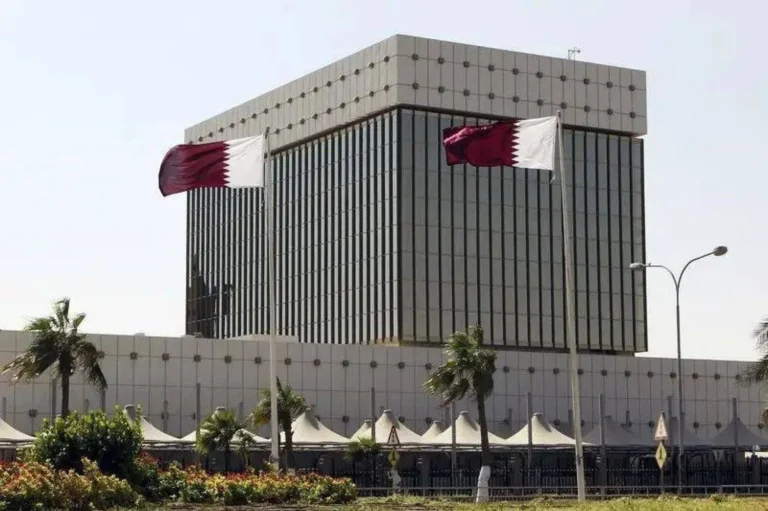
The Qatar Central Bank announced on Monday that it had joined AFAQ, the Gulf cross-border payment system, and with it the last of the 6 Gulf Cooperation Council central banks came onto the network. Transfers between the bank and participating Gulf banks have begun. 3 Qatari commercial banks joined alongside it, Doha Bank, Qatar International Islamic Bank and Dukhan Bank, taking the number of participants across the Gulf, central banks included, to 74.
The central bank layer is now complete. The commercial layer is not.
Kuwait has 19 bank entries on it, Qatar has 3
Kuwait is the deepest participant of the 6. The Central Bank of Kuwait and 19 bank entries are on the operator’s participant list under Kuwait, 20 of its 74 entries: 10 Kuwaiti banks (National Bank of Kuwait, Kuwait Finance House, Boubyan Bank, Burgan Bank, Gulf Bank, Commercial Bank of Kuwait, Al Ahli Bank of Kuwait, Kuwait International Bank, Warba Bank and the Industrial Bank of Kuwait) and the Kuwait branches of 9 foreign banks (Mashreq, First Abu Dhabi Bank, HSBC, Doha Bank, ICBC, Citibank, Bank of Bahrain and Kuwait, Qatar National Bank and Al Rajhi Bank); Qatar enters with its central bank and 3 commercial banks, 4 entries. The operator says the onboarding of the remaining commercial banks is being carried out in successive phases in line with the agreed programme.
The system was launched on 10 December 2020, and commercial bank onboarding began in April 2021. Its published counters show more than 276,000 transactions and a value above 26 billion since launch, though the value carries no currency unit on the page and we do not supply one. Across the roughly 69 months since launch that averages about 4,000 transactions a month on our calculation, which for a 6 country network of 74 participants is a modest run rate, on our reading, and the clearest measure of how early this still is.
The operator says AFAQ executes transfers in real time through the members’ national real-time gross settlement systems, with same-day settlement finality and low fees, and its cross-currency service lists the 6 Gulf currencies. The Central Bank of Kuwait’s description of the same system says it also supports the dollar and the euro. The 2 originator pages describe different parts of the system rather than conflicting arrangements.
What the Qatari central bank has published
The Qatar News Agency reported the bank’s announcement on Monday morning, and the wording carried here comes from the agency and from the system’s operator. The bank’s own website newsroom carries no AFAQ item; its most recent entry is dated 1 September and concerns domestic access to its real-time gross settlement system.
Neither source gives a settlement time, a fee, a transaction volume for Qatar, or any figure for what the connection is expected to carry. No originator describes a change for retail customers.
Why it matters: Completing the central bank layer is the precondition for the commercial layer, and the figures show how much of that remains. A network nearly 6 years old carrying about 4,000 transactions a month is still early in its build out, on our reading. What changed on Monday is that no member is now outside it, which makes the remaining constraint commercial onboarding rather than sovereign participation. For Kuwait, already the most connected member by participant count, the value of the network rises with every counterparty added at the other end.
Outlook: The measure to watch is the participant count, which the operator publishes and which now stands at 74. Qatar’s 3 banks against Kuwait’s 19 entries is the gap that phased onboarding is meant to close. The transaction counter is the second measure, and it is the one that would show the system moving from connected to used.
Sources: Gulf Payments Company, Qatar News Agency, Central Bank of Kuwait, Qatar Central Bank.