Jordan’s Development Zone Investment Rises 18.79 Percent to 6.9 Billion Dinars
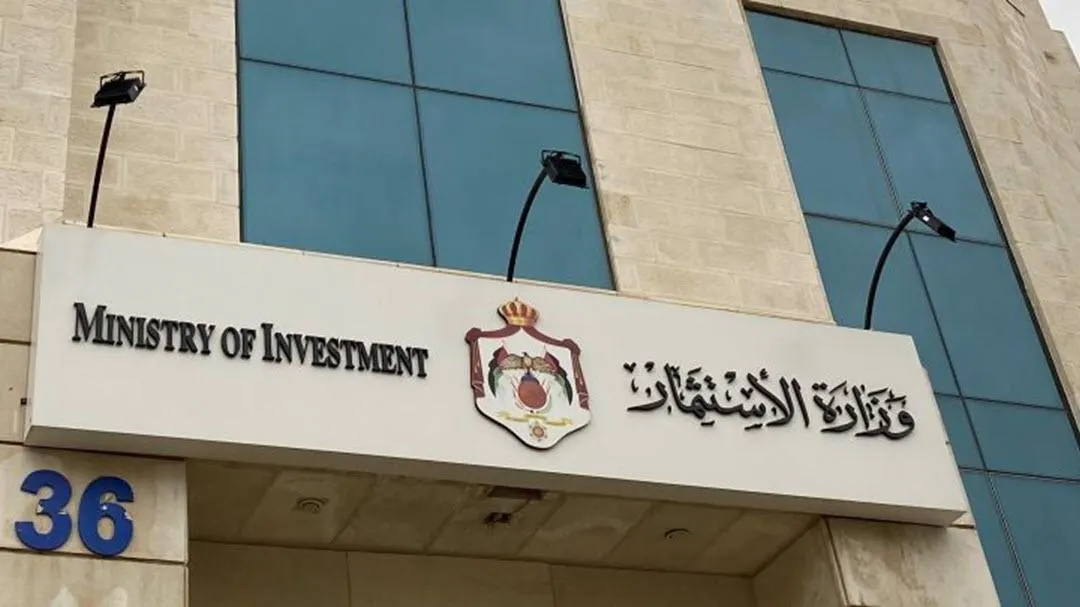
Total investment in Jordan’s development zones rose from about 5.819 billion dinars to close to 6.9 billion in the first half of 2026, a rise of 18.79 percent, and the jobs those zones support rose from about 117,000 to close to 123,000. The Ministry of Investment published its half year performance report on Tuesday and the state news agency Petra carried the figures.
The zones are the part of the Jordanian investment story that is compounding. Everything else in the report is a process number.
The zones added a billion dinars and six thousand jobs in six months
| Development zones, first half of 2026 | H1 2025 | H1 2026 |
|---|---|---|
| Total investment | 5.819 bn dinars | about 6.9 bn dinars |
| Jobs supported | about 117,000 | about 123,000 |
| New projects registered | 27 | 46 |
| Expected investment in new projects | about 60 mn dinars | 402 mn dinars |
As published in the Ministry of Investment’s half year report, carried by Petra. The growth rate of 18.79 percent on total investment is the ministry’s own figure.
The Kingdom has twenty development zones with 1,676 projects and companies operating in them. The forty six new projects registered in the first half are expected to provide 1,841 jobs once they reach implementation and operation, and their expected investment of 402 million dinars is close to seven times the 60 million registered in the same period of 2025 on our calculation.
Six thousand additional posts on a base of 117,000 is a rise of 5.1 percent on our calculation, against an 18.79 percent rise in the reported investment figure. Employment therefore grew materially more slowly than invested capital over the same period. The comparison is worth holding lightly, because capital and jobs do not enter a zone on the same timetable and the report does not say when either was committed.
The ministry describes the 6.9 billion dinars as total investment in the development zones, and gives no methodology note that would allow it to be read as capital expenditure realised inside the six months. The 18.79 percent is best taken as growth in the reported investment figure rather than as 1.08 billion dinars of half year spending.
The incentive pipeline roughly doubled
| Ministry activity, first half | H1 2025 | H1 2026 |
|---|---|---|
| Projects benefiting from incentives and exemptions | 308 | 327 |
| Expected future investment from those projects | 711.2 mn dinars | |
| Investment facilitation transactions | 2,992 | 3,801 |
| Investment opportunities listed on the Invest in Jordan platform | 44 | about 120 |
| Investors granted Jordanian citizenship | 29 | 65 |
As published. The ministry also reports 3,153 follow up transactions completed and 260 Jordanian certificates of origin issued.
Facilitation transactions rose 27.0 percent on our calculation. The citizenship by investment route more than doubled, with the approved applications tied to about 72.3 million dinars of investment, and citizenship additionally granted to 250 members of investors’ families.
Two operational numbers are worth keeping. The ministry issued or renewed fifty six occupancy permits covering close to 126,000 square metres, and the area covered by construction licences rose to about 111,600 square metres, an increase of close to 30 percent. Investor satisfaction with the zone developers, which the ministry surveys, rose from 75.1 percent to 77.1.
The legislative side moved too
An amended regulation to the investment environment regulation, number 30 of 2026, was issued during the period. The ministry says it shortens licensing and approval periods and widens the scope of incentives to cover the expansion and development of existing projects, the introduction of modern technology and support for creative industries.
The ministry also introduced a fast track for issuing construction licences and occupancy permits, describing itself as the first regulatory body in the Kingdom to apply the procedure.
Why it matters: Jordan has spent two decades building a development zone framework and the question has always been whether it converts capital into employment at a rate that justifies the fiscal cost of the exemptions. This report gives the first clean half year comparison in a while: 18.79 percent more reported investment, 5.1 percent more jobs. The pipeline is the strongest part of the release, because forty six new registrations against twenty seven, carrying almost seven times the expected investment, is a leading indicator rather than a stock measure. Against that, the report is the ministry marking its own work, and it draws no line between capital that has been announced, committed or spent, which is the distinction a reader needs to price the headline.
Outlook: the ministry publishes to a half yearly cycle, so the next comparable read is the full year report early in 2027. The number to watch is whether the 1,841 jobs the new projects are expected to provide actually appear, since the gap between expected and realised employment is where development zone programmes usually lose credibility. The nearer test is the amended investment regulation, issued during the half and therefore not yet reflected in any of these figures.
Sources: Ministry of Investment of Jordan via Petra.