A BIS Paper Dates the Hormuz Effect at 4 to 6 Months and Puts Its Reach at Up to a Year
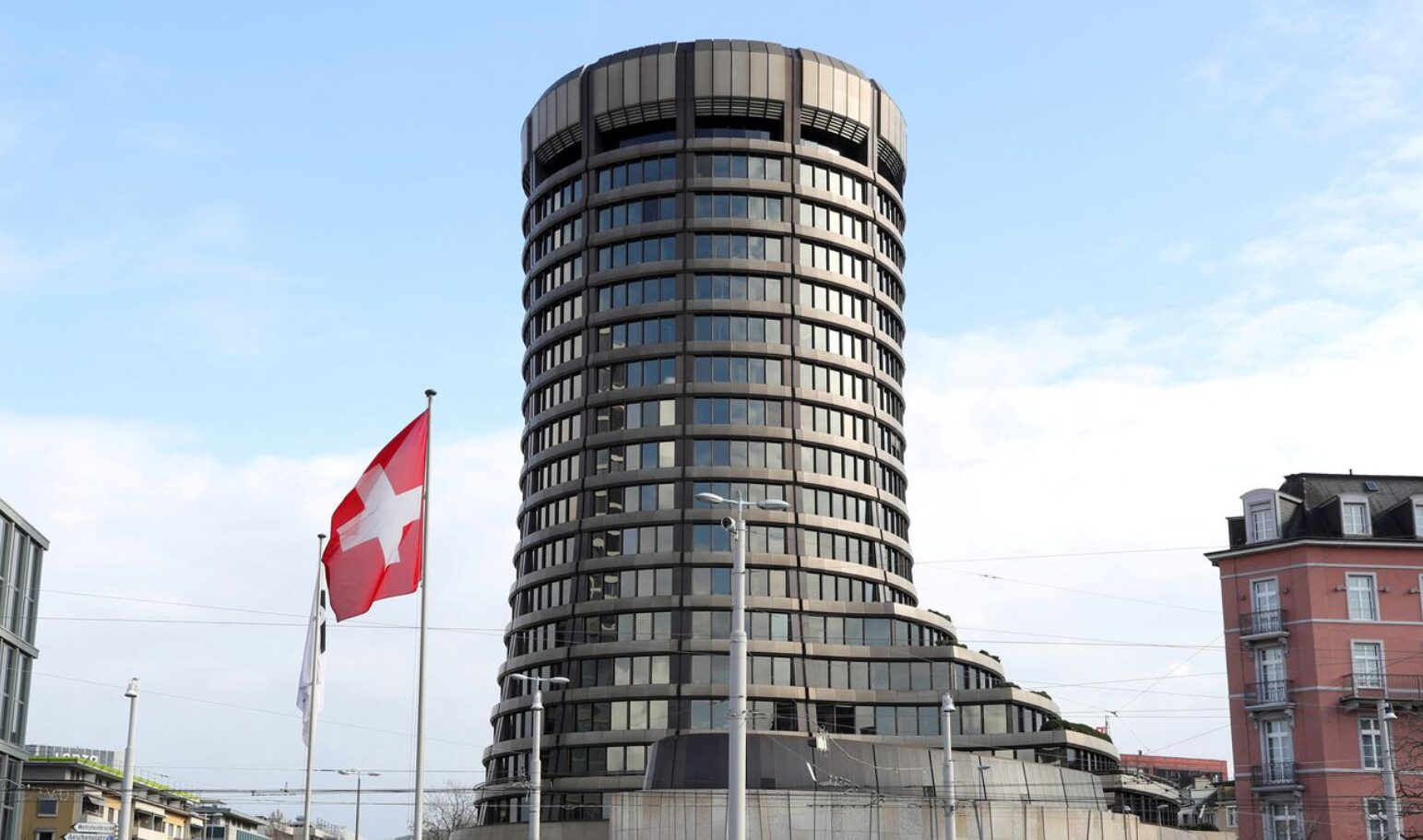
Disruptions to shipping through the Strait of Hormuz work through the world economy as a stagflationary shock, lifting energy and fertiliser prices, weakening global industrial production, raising global consumer prices and widening credit spreads, according to a working paper the Bank for International Settlements published on 17 September. The effects start to show after 4 to 6 months and can last up to a year. The 50 page paper is number 1378 in the series and was written by Enisse Kharroubi, a senior economist in the bank’s monetary and economic department.
Counting ships rather than reading prices
The paper measures the disruption itself. It uses real time data on ships passing through the world’s major maritime chokepoints and builds a measure of unusual traffic changes at each chokepoint after allowing for normal patterns and for ship size. The maritime traffic data is the historical record in the IMF and University of Oxford Portwatch database. Supply driven and demand driven changes are then separated using information from oil market announcements.
That is a departure from the standard approach. Most studies of this kind track oil prices or broad risk indicators, and the paper argues that observed ship movements give a timelier and more direct signal of stress, adding information beyond oil price shocks. On that measure, traffic through the strait works as a barometer of global supply conditions.
| Channel | Response to an adverse traffic shock |
|---|---|
| Energy prices | Higher |
| Fertiliser prices | Higher |
| Global industrial production | Lower |
| Global consumer prices | Higher |
| Advanced economy corporate bond spreads | Wider |
| Emerging market sovereign bond spreads | Wider |
Directions as set out in the paper’s findings and abstract. No magnitudes are given on the publication page.
The response is bigger when the cause is supply
2 conditions make the effect larger. The increase in energy and fertiliser prices is bigger when the drop in traffic is supply driven rather than demand driven. And the risks are skewed to the upside: the higher inflation or spreads are to begin with, the larger the increase that follows a disruption. On the credit side, yield spreads on company bonds rise, with high yield issuers affected most, and spreads on emerging market government bonds widen.
Other chokepoints matter, but less consistently
Traffic at the Strait of Malacca and the Strait of Gibraltar can also matter at times, the paper finds, but neither carries the same signal. Hormuz stands out because its traffic gives the clearest and most consistent reading of global supply stress and of the combination of lower growth, higher prices and tighter financial conditions.
Why it matters: For the Gulf, the paper treats the strait as a global macroeconomic variable rather than an oil market one, and the finding that matters commercially is the lag. If prices, output and spreads move 4 to 6 months after traffic changes and the effect runs for up to a year, then on our reading shipping counts through the strait are a leading indicator of funding conditions rather than a same week one. The widening the paper identifies falls on emerging market sovereigns and on high yield corporate issuers.
Outlook: The paper is a working paper, and the bank states that the views in it are the author’s and do not necessarily reflect those of the institution or its member central banks. It closes by pointing to further research on chokepoint shocks.
Sources: Bank for International Settlements.