Jordan’s First Municipal Sukuk Raises JOD 400 Million for Amman at 5.5%

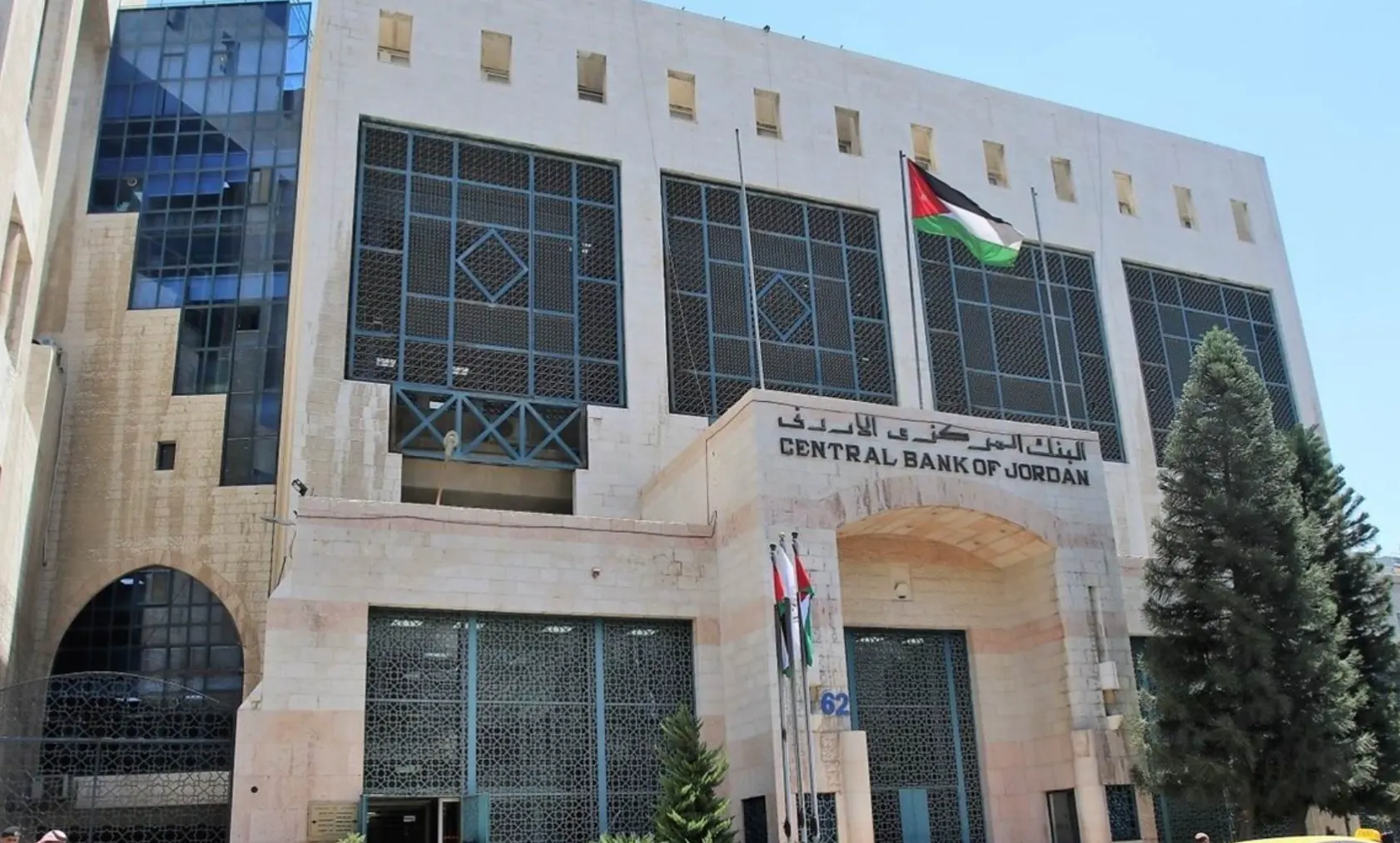
The Takeaway: The Central Bank of Jordan sold the full JOD 400 million of the Kingdom’s first municipal sukuk on Monday, and Islamic banks took the whole issue. The Greater Amman Municipality says the proceeds will repay part of its outstanding debt, as the first tranche of a sukuk program the Cabinet has approved. The return, fixed at 5.5% a year before the auction, sits below the central bank’s main rate and the government’s latest Treasury bond of the same tenor.
Islamic banks bought the whole of the Greater Amman Municipality’s first sukuk on Monday, at a return the Cabinet had fixed five weeks earlier.
The Central Bank of Jordan ran the auction on Monday 16 November on behalf of the issuer and received bids of JOD 400 million, exactly the amount offered. It accepted all of them, a cover ratio of 1.00 in its results notice.
The certificates pay a profit rate of 5.50% a year and mature on 16 November 2031, when the full face value is repaid in one payment. At the central bank’s official dollar quote, the issue is worth $564.2 million.
The issuer is Amman Vision for Islamic Sukuk SPV, the special purpose company the municipality set up for the issue under Jordan’s Islamic Finance Sukuk Law. The sukuk use an ijara muntahia bittamleek, or lease-to-own, structure, which is why the central bank describes the return as an annual rental return.
The first tranche of the Amman Vision sukuk (amount in JOD million)
| Item | Terms |
|---|---|
| Amount offered | 400 |
| Bids received | 400 |
| Bids accepted | 400 |
| Cover ratio | 1.00 times |
| Allocation ratio | 100% |
| Profit rate | 5.50% a year |
| Structure | Lease-to-own |
| Issue and settlement | 16 November 2026 |
| Maturity | 16 November 2031 |
| Repayment | In full at maturity |
Terms as printed in the central bank’s auction announcement and results notice of 16 November 2026.
The municipality ties the issue to debt repayment and a JOD 1 billion total
The municipality said in a statement on Monday that the issue is the first tranche of sukuk with a total value of JOD 1 billion approved by the Cabinet, and that it is intended to repay part of the municipality’s outstanding debt.
The central bank’s release presents the issue as financing the municipality’s projects. Neither statement names the debt to be repaid, its cost or its maturity.
On the municipality’s JOD 1 billion figure, the first tranche is 40% of the total. That would leave JOD 600 million to be issued, and neither statement gives a date for a second tranche.
The Cabinet’s approval was set out on 11 October: a JOD 400 million issue at a 5.5% return, with the dedicated company, the lease-to-own structure and the term now used. The 11 October announcement did not mention a JOD 1 billion total.
The government projected then that the sukuk would cut the municipality’s financing costs by about JOD 70 million over the initial term, and by up to JOD 140 million if the term were extended on the same assumptions. Monday’s statements do not update that estimate.
Set below the policy rate and the government’s own five-year debt
The 5.50% return was set in advance: the Cabinet approved it on 11 October and the central bank’s announcement carried it as the expected profit rate, so Monday’s auction tested demand at that rate rather than setting a price.
That return is 0.90 percentage points below the government’s latest five-year borrowing cost, which comes out of competitive bidding.
On Tuesday 10 November the central bank sold five-year Treasury bonds, issue No. 39, at a single accepted rate of 6.400%. The five-year issue of 2 November had cleared at the same rate.
The sukuk’s return also sits half a point below the central bank’s main rate, and a quarter point below the overnight deposit window, the rate banks earn on cash they leave with the central bank.
The 5.50% sukuk return against dinar benchmarks (rate in %; gap in percentage points)
| Measure | Rate | Gap |
|---|---|---|
| Amman Vision sukuk, five years | 5.500 | 0.000 |
| Overnight deposit window | 5.750 | 0.250 |
| Central bank main rate | 6.000 | 0.500 |
| Treasury bond No. 39, five years, 10 Nov | 6.400 | 0.900 |
| Treasury bond No. 40, ten years, 10 Nov | 6.700 | 1.200 |
Policy rates as shown by the central bank on 16 November 2026. Treasury rates are the single accepted rates from the 10 November auction results. The gap is the benchmark’s rate minus the sukuk return.
At 5.50%, the issue’s profit bill is JOD 22 million a year. Over the full term that comes to JOD 110 million, with the principal repaid in one payment at maturity.
In The Edge’s reading, offered as an illustration rather than a measure of the municipality’s saving, raising the same amount at the Treasury’s five-year rate would have cost JOD 3.6 million a year more. The two instruments differ in issuer, structure and investor base, so the gap shows where the sukuk’s return was set, not what Amman saved.
Covered once at a fixed rate, while Treasury auctions drew surplus bids
Demand matched the issue rather than exceeding it. Each of this month’s Treasury bond auctions drew more bids than the amount sold.
Cover ran from 1.63 times on the latest ten-year issue to 3.06 times on the latest five-year one.
Together the four November auctions sold JOD 350 million of bonds. The Amman issue alone is 1.14 times that amount, raised in a single auction.
The whole issue went to the Islamic banks taking part in the auction. The central bank said this shows their capacity to absorb large issues and the role of sukuk in channeling savings into development projects.
The nearest sukuk precedent in the central bank’s lists is the National Electric Power Company (NEPCO), whose eighth issue reached a fifth tranche of JOD 49 million on 11 October. That six-year tranche, a government-guaranteed and non-tradable Murabaha issue, paid 5.00% and was also covered exactly once.
The Amman tranche is 8.2 times its size, at a return half a point higher.
Recent dinar issues managed by the central bank (amount in JOD million; rate in %; cover in times)
| Issue | Rate | Sold | Cover |
|---|---|---|---|
| Amman Vision sukuk, five years, 16 Nov | 5.500 | 400 | 1.00 |
| Treasury bond No. 39, five years, 10 Nov | 6.400 | 50 | 3.06 |
| Treasury bond No. 40, ten years, 10 Nov | 6.700 | 100 | 1.63 |
| Treasury bond No. 38, ten years, 5 Nov | 6.742 | 100 | 2.00 |
| Treasury bond No. 37, five years, 2 Nov | 6.400 | 100 | 2.16 |
| NEPCO sukuk, eighth issue, fifth tranche, six years, 11 Oct | 5.000 | 49 | 1.00 |
Dates are issue dates for the sukuk and auction dates for the Treasury bonds. The rate shown for issue No. 38 is the weighted average of its accepted rates; the other issues cleared at a single rate. Each issue sold its full offered amount.
A municipal issuer joins the central bank’s sukuk lists
The central bank keeps two sukuk lists: one for government issues, through the government’s special purpose company and a first dollar-denominated sukuk, and one for public institutions. On the first page of the public institutions list, the Amman Vision tranche now sits at the top and every entry below it is a NEPCO tranche.
The bank said the issue widens the base of sukuk issuers in the Kingdom to include public institutions and municipalities, and gives Islamic banks a way to diversify beyond conventional government debt instruments, in line with the Economic Modernization Vision. It expects the sukuk to open the market to new investors, including insurance companies and savings, investment and retirement funds.
The certificates are eligible for listing and trading on the Amman Stock Exchange under the approved regulatory conditions, which the bank said gives investors more flexibility in managing liquidity. Neither statement gives a listing date.
In The Edge’s reading, a book covered exactly once, by Islamic banks alone, shows the issue placed but not yet a deep market for municipal paper. Whether insurers and funds buy the certificates once they trade, and at what return the later tranches are offered and whether they are covered, will show how far the program can run at a return set below the government’s own.
What to watch: The central bank auctions JOD 100 million of five-year Treasury bonds, issue No. 41, on Tuesday 17 November, the next read on the government’s cost at that tenor against the sukuk’s return.
Method: auction terms and results are from the Central Bank of Jordan’s announcement and results notice for the first tranche of the first issue of Amman Vision for Islamic Sukuk SPV, both dated 16 November 2026, and from its Treasury bond and sukuk auction results and offering documents of 11 October to 10 November 2026. Percentage-point gaps, shares, multiples, sums, the annual profit bill and the illustrative cost gap are The Edge’s calculations. The dollar equivalent uses 709 fils per dollar, the midpoint of the buying and selling rates in the central bank’s official quote that day.
Sources: Central Bank of Jordan, Greater Amman Municipality, Petra, The Edge.