His Majesty King Hamad Sets 5 Economic Priorities and Directs Bahrain’s Future Economic Vision
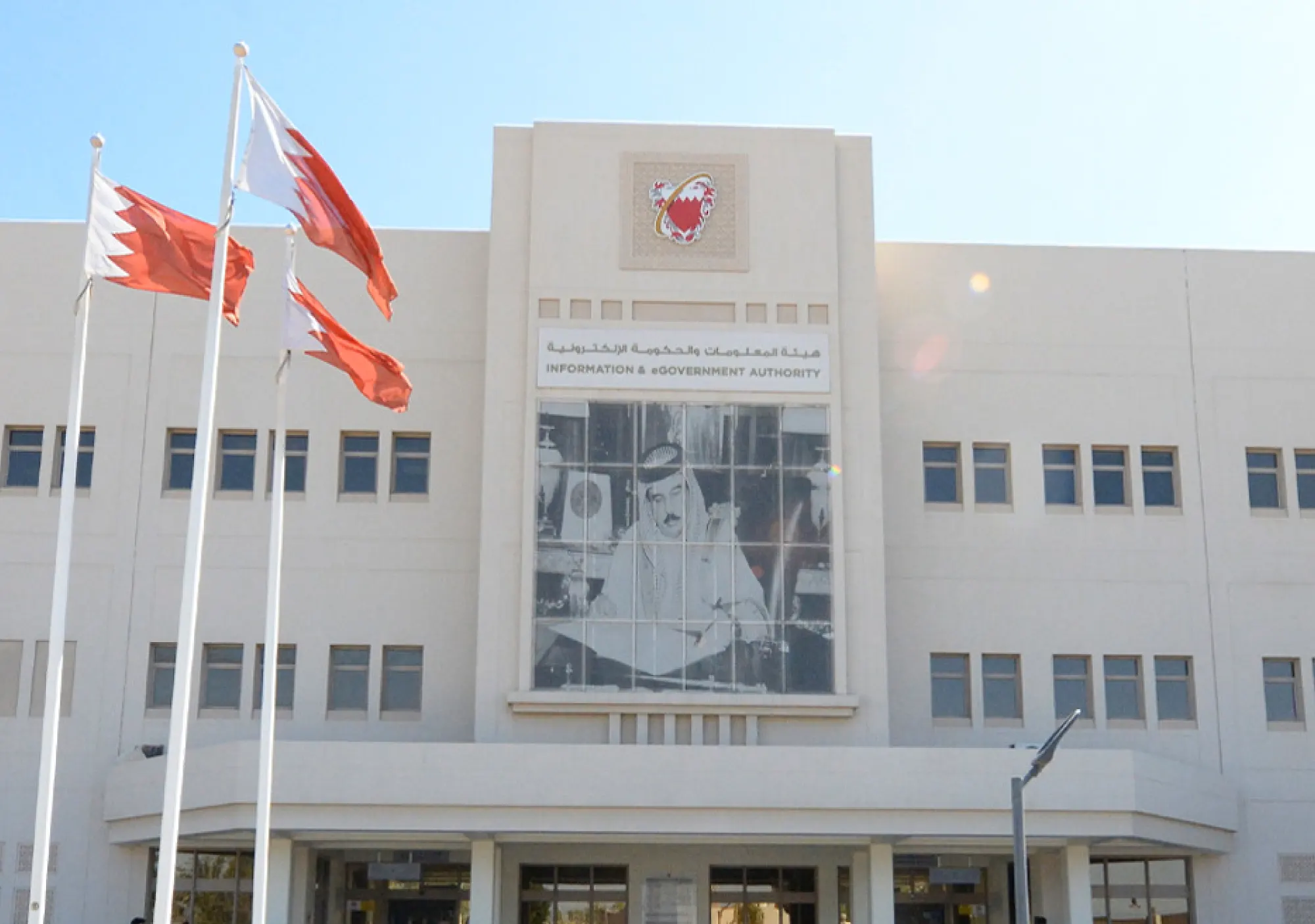
His Majesty King Hamad bin Isa Al Khalifa on 11 October directed that Bahrain’s future Economic Vision be prepared as “a comprehensive national framework for the future”, linking the economy with society, development with sustainability and state policy with the aspirations of citizens. He gave the direction as he opened the fifth session of the sixth legislative term of the Shura Council and the Council of Representatives, and set 5 economic priorities for the session: modern and coherent economic legislation, a stronger and more competitive investment environment, a wider knowledge economy, sustainability in energy and environmental protection, and continued work on food and water security.
What the King Asked of the Legislature
Bahrain News Agency reported that the King cited proactive planning to anticipate developments, together with integration in working mechanisms, as the approach to be adopted in preparing the Vision. He noted progress in restoring matters to their normal course, particularly in economic matters and daily life, and voiced confidence in the government’s plans to balance stability with development. The Speaker of the Council of Representatives pledged that the session would turn national priorities into modern legislation supporting the knowledge economy, the investment environment and food and water security.
The address set no target, timetable or name for the new Vision. The same day, His Royal Highness Prince Salman bin Hamad Al Khalifa, the Crown Prince and Prime Minister, chaired a meeting of the Economic Development Board, which reviewed progress towards its 2026 objectives. Telecommunications and technology accounted for the largest share of the investment attracted, followed by tourism and industry; no values were published.
Capital, Jobs and Deposits the Vision Starts From
Inward foreign direct investment stock reached 17.6 billion dinars in the first quarter of 2026, up 2.6 percent from 17.2 billion a year earlier, and up 3.2 billion dinars, or 22.2 percent, from 14.4 billion in the first quarter of 2023, on our calculation. These are stock figures, not new inflows for the quarter. The stock equals 95.6 percent of 2025 nominal GDP of 18,411.1 million dinars, a stock against annual output, on our calculation. Finance holds 65.2 percent of it, 11.5 billion dinars, up 4.6 percent, and manufacturing 13.0 percent. Bahrain’s 3 largest investors are its Gulf neighbours, which together account for 67.5 percent, on our calculation. In 2024 the Economic Development Board secured a record 1.8 billion dollars of direct investment commitments.
Inward FDI stock by source, Q1 2026
| Source | BHD bn | Share |
|---|---|---|
| Kuwait | 6.2 | 35.0% |
| Saudi Arabia | 4.1 | 23.0% |
| UAE | 1.7 | 9.5% |
| All sources | 17.6 | 100.0% |
Ministry of Finance and National Economy, Economic Quarterly Report Q1 2026; amounts and shares as published, each rounded independently. Top-three share is our calculation.
The labour market points the same way. Bahraini employees rose 1.8 percent to 158,322, 66.8 percent of them in the private sector, and women made up 42.6 percent. The average monthly wage of Bahrainis reached a record 931 dinars, up 2.1 percent, with the private-sector average also at a record 912 dinars, up 3.5 percent. Against the annual national targets, 5,883 Bahrainis were employed in the first quarter, 23.5 percent of the 25,000 goal, and 3,875 benefited from training programmes, 25.8 percent of the 15,000 goal, on our calculation.
Savings and credit kept growing. Non-bank deposits reached a record 22.3 billion dinars, up 6.8 percent, and retail bank lending rose 5.0 percent to 13.2 billion dinars. The current account ran a surplus of 258.0 million dinars, equal to 6.0 percent of nominal GDP.
The knowledge-economy priority starts from a high base. Bahrain rose 3 places to 6th of 159 economies in the ICT Development Index 2026 and 2 places to 20th in the World Competitiveness Ranking 2026.
In the ministry’s latest quarterly report, published on 26 August, non-oil activities grew 2.2 percent in real terms in the first quarter of 2026 and accounted for 90.1 percent of output, after 4.1 percent growth and an 85.8 percent share in 2025. Total real GDP contracted 3.8 percent in the quarter as oil activities fell 37.2 percent, which the report put down to restrictions on shipping through the Strait of Hormuz and scheduled maintenance at the Abu Sa’afa field; the rise in the non-oil share reflects that oil decline, on our reading.
Why it matters: The address sets out how Bahrain’s future Economic Vision is to be prepared and gives the legislature an economic agenda for the session. The Vision starts from an economy where foreign direct investment stock is close to a full year of GDP and Bahraini wages and non-bank deposits stand at records. Its stated aim of linking state policy with the aspirations of citizens can be read against the official figures on Bahraini jobs and pay.
Outlook: The next markers are the timetable and scope of the Vision, the session’s first economic bills, any values the board publishes behind the sector ranking it shared on 11 October, and the second-quarter national accounts.
Sources: Bahrain News Agency, Ministry of Finance and National Economy, The Edge.