Basel Committee Moves on AI Risks, Window Dressing and a 10 Year Old Interest Rate Standard
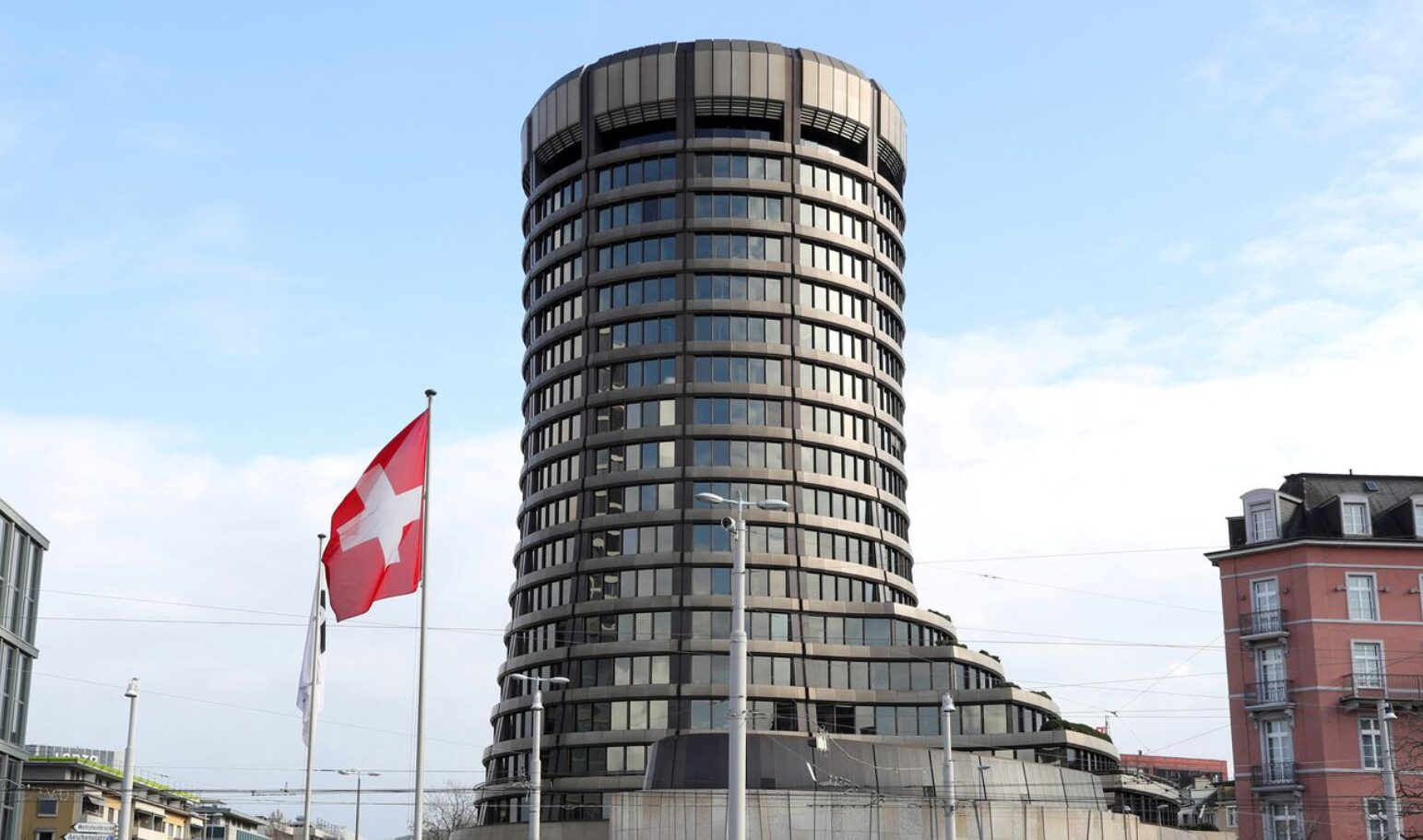
The Basel Committee on Banking Supervision approved a final standard for machine-readable Pillar 3 disclosures and revisions to curb window dressing by global systemically important banks, agreed to consult on new guidance for interest rate risk in the banking book, and agreed to review its operational risk loss categories with a focus on cyber risk and AI, the Bank for International Settlements said on Thursday after the committee met in Indonesia on 28 and 29 September.
Decisions and timing
| Area | Decision | Timing |
|---|---|---|
| Pillar 3 disclosures | Final machine-readable standard approved | Around year end |
| G-SIB framework | Revisions to reduce window dressing approved | Later in October |
| G-SIB methodology | Consultation on cross-border exposures in the European banking union | Later in October |
| Interest rate risk in the banking book | Consultation on additional Pillar 2 guidance | November |
| Cryptoassets | Update on targeted review of the prudential standard | By year end |
| Liquidity principles | Targeted updates under assessment | Later this year |
| Anti-money laundering | Summary of a survey across 19 jurisdictions | Later in October |
| Leverage ratio | Assessments of 6 jurisdictions approved | Later in October |
The leverage ratio assessments cover Australia, Canada, Japan, Korea, Switzerland and the United Kingdom.
Old rules under review
On our reading, 2 of the frameworks now being revisited are a decade or more old: the interest rate risk standard dates from 2016, 10 years ago, and the liquidity principles from September 2008, 18 years ago. The committee said its empirical assessment found specific shortcomings in banks’ management of interest rate risk in the banking book, and that most banks still publish Pillar 3 disclosures only as PDF files, making it hard to aggregate and compare data across banks. Of the 8 workstreams in the table, 5 have a date of October or November, on our count.
On artificial intelligence, the committee said the financial footprint of the AI ecosystem is expanding rapidly, with greater use of leverage and increasingly interconnected financing arrangements, and that frontier AI could amplify operational vulnerabilities, including from cyber attacks and correlated dependencies in the financial system. It will continue to monitor AI developments and discuss their supervisory implications. Committee Chair Erik Thedéen, Governor of Sveriges Riksbank, said the meeting also took stock of members’ modernisation efforts and the committee’s work programme.
Why it matters: The decisions set the disclosure and supervisory agenda for internationally active banks: machine-readable disclosures will make bank risk metrics easier to compare across institutions, while the window dressing revisions target year-end balance sheet management that feeds the global systemically important bank assessment.
Outlook: The committee has approved the results of the end-2025 assessment of global systemically important banks, which go to the Financial Stability Board before it publishes the 2026 list.
Sources: Basel Committee on Banking Supervision, Bank for International Settlements, The Edge.