Central Bank of Kuwait’s May Data: Money Supply Reaches KWD 42.9 Billion, Reserves Steady and Electronic Payments Climb
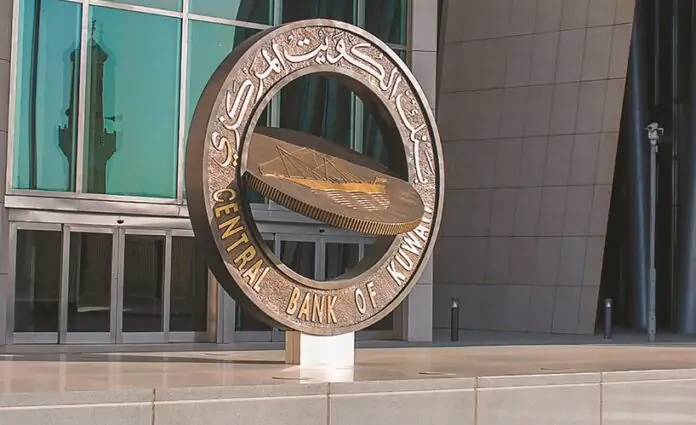
The Central Bank of Kuwait’s latest Monthly Monetary Statistical Bulletin, covering May 2026, points to a stable monetary picture, with broad money near KWD 43 billion, official reserves holding close to KWD 12 billion, the dinar steady against the dollar, and a fresh rise in electronic payments.
Money supply
Broad money supply (M2) reached about KWD 42.95 billion in May, made up of around KWD 11.26 billion of money in the narrow sense (M1) and about KWD 31.68 billion of quasi money, which includes savings and time deposits, foreign currency deposits and certificates of deposit. That was a modest increase from roughly KWD 42.86 billion in April. The wider M3 aggregate, which adds deposits with investment companies, was close to KWD 51.5 billion. With the larger share of money supply still concentrated in quasi money, the figures point to stable liquidity conditions and a deposit based banking system, consistent with contained inflation.
Official reserves
The central bank’s official reserve assets were about KWD 11.9 billion in May, little changed from roughly KWD 12.0 billion in April. The bulk of the reserves was held in foreign currency and deposits, at about KWD 10.2 billion, alongside special drawing rights of about KWD 1.4 billion and smaller holdings in the reserve position at the International Monetary Fund, foreign securities and monetary gold. Steady reserves underpin confidence in the dinar and in Kuwait’s external position.
The dinar
The Kuwaiti dinar held broadly steady against the US dollar, with the average exchange rate at 306.53 fils per dollar in May, little changed from 306.62 fils in April, and moving within a narrow range of about 306.15 to 306.85 fils. The dinar is managed against a weighted basket of currencies, and its stability provides a predictable anchor for trade, investment and household budgets.
Electronic payments
The total value of electronic payment transactions inside and outside Kuwait rose to about KWD 4.76 billion in May, up from roughly KWD 4.37 billion in April, an increase of around 9 percent. Spending at points of sale, a close proxy for consumer activity, was the largest channel at about KWD 1.61 billion, followed by online payment gateways at about KWD 1.44 billion. Instant payments through the Wamdh service reached about KWD 1.0 billion, one of the faster growing channels, while cash withdrawals from automated teller machines were about KWD 0.72 billion.
Why it matters
Taken together, the May data describe an economy with stable monetary conditions and resilient domestic demand. A steady money supply and firm reserves support confidence in the dinar, while the rise in electronic payments, led by point of sale and online spending and strong growth in instant transfers, points to healthy consumer activity and a continued shift toward a cashless, digital economy, a goal shared across the Gulf.
For banks, fintech firms and policymakers, the trends reinforce the opportunity in digital payments and the value of a broad, well used electronic payments network, which also improves the timeliness of data used to monitor the economy. For households and businesses, a stable currency and contained inflation provide a predictable backdrop for spending and planning.
Outlook
The monthly bulletin will remain a key gauge of Kuwait’s monetary conditions, the strength of the dinar and the pace of digital adoption. Continued stability in money supply and reserves, alongside steady growth in electronic payments, would reinforce the picture of a stable macro backdrop, while the path of deposits, credit and global interest rates will shape conditions in the months ahead.
Sources: Central Bank of Kuwait, Monthly Monetary Statistical Bulletin, May 2026.