China’s Central Bank Adds 500 Billion Yuan in Medium Term Loans in July 2026
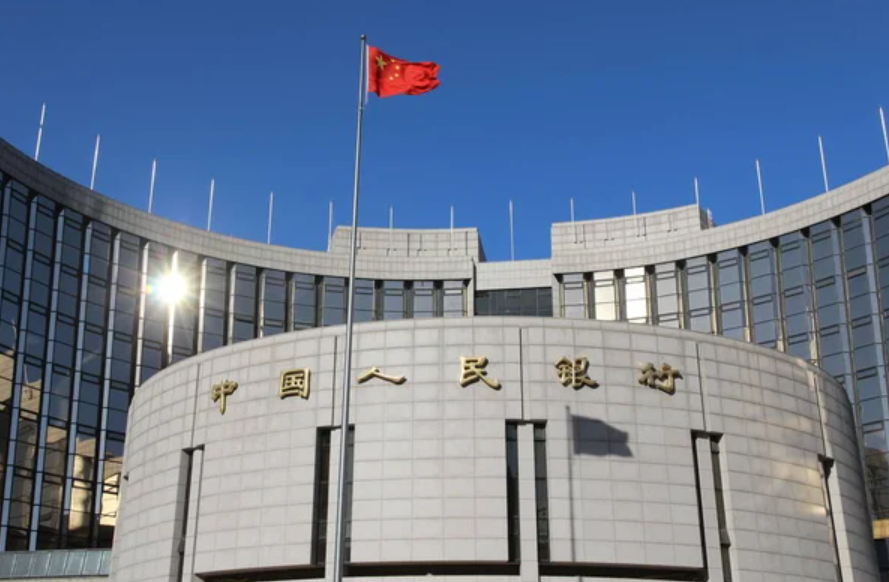
China’s central bank, the People’s Bank of China, stepped up its medium term liquidity support on 24 July 2026, conducting a 500 billion yuan one year medium term lending facility operation to keep the banking system well supplied with funds, according to the state news agency Xinhua. The move was aimed at meeting rising month end and tax period funding needs and at smoothing a heavy schedule of government bond issuance.
With 400 billion yuan of maturing loans falling due, the operation amounted to a net injection of about 100 billion yuan. Together with about 700 billion yuan added on a net basis through the central bank’s outright reverse repurchase operations during July, the month’s net medium term liquidity injection reached about 800 billion yuan, the largest in several months. Separately, the central bank said it would carry out 2.1 trillion yuan of overnight reverse repurchase operations spanning late July and early August, a short term measure distinct from the medium term injection.
Policy interest rates were left unchanged, with the seven day reverse repurchase rate, the main policy rate, at 1.40 percent, and the benchmark loan prime rates steady at 3.0 percent for the one year tenor and 3.5 percent for the five year. The operations add liquidity without changing the price of money, and follow data showing China’s economy grew at its slowest quarterly pace since 2022 in the second quarter.
Why it matters: China is the world’s largest importer of oil and a major trading partner for the Gulf, so the strength of its economy and the stance of its central bank matter for energy demand and for regional exporters. A larger medium term liquidity injection paired with steady policy rates suggests the authorities are prepared to support growth without a broad easing, a balance that bears on the outlook for oil demand and for Gulf trade with China.
Outlook: With July government bond issuance expected to rise sharply, the added liquidity points to continued coordination between monetary and fiscal policy. Markets are watching a late July meeting of the ruling Politburo for signals on whether Beijing will step up support for growth in the second half of the year.
Sources: Xinhua; Bloomberg.