China Holds Its Loan Prime Rates for a 14th Straight Month After Second-Quarter Growth Slowed to 4.3 Percent
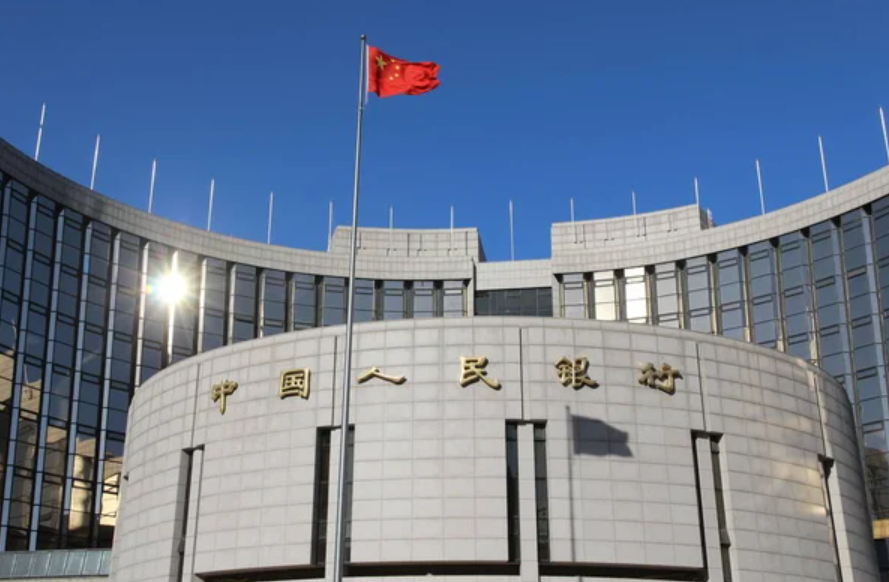
China left its benchmark lending rates unchanged for a fourteenth consecutive month in July, with the one-year loan prime rate held at 3.00 percent and the five-year rate, a reference for mortgages, kept at 3.50 percent. The rate, based on submissions from a panel of large Chinese banks and published each month through the People’s Bank of China, was widely expected to stay put, and it keeps the country’s main lending benchmarks at record lows while the authorities assess the strength of the recovery in the world’s second-largest economy.
The steady stance comes after growth slowed in the second quarter. China’s economy expanded 4.3 percent from a year earlier in the three months to June, its weakest pace since late 2022 and down from 5.0 percent in the first quarter, while the property sector remained a drag, with property investment down about 18 percent in the first half. That backdrop leaves policymakers balancing the case for more support against a desire to preserve the profitability of banks whose lending margins have already been squeezed by earlier rate cuts.
By holding the loan prime rate steady, Beijing is signalling that it sees no immediate need for broad monetary easing, having already delivered earlier rounds of support, while it keeps room to act should growth or the property market weaken further. Officials have leaned more on targeted and fiscal measures than on across-the-board rate cuts to shore up activity, particularly in the property sector that the five-year rate most directly influences.
Why it matters: China’s rate decisions ripple through global trade, commodity demand and financial markets, and for the Gulf they bear directly on the outlook for oil and petrochemical demand from the region’s largest Asian customer. A steady monetary stance in Beijing, even as growth cools, signals an attempt to hold the demand backdrop steady, which underpins Gulf energy exports and the wider trade and investment ties between the region and China.
Outlook: With second-quarter growth softening and the property sector still contracting, attention turns to whether the central bank eases further later in the year, and to how much of any additional support comes through rate cuts rather than fiscal and targeted tools. The path of Chinese demand will remain a key variable for Gulf exporters and for global commodity markets.
Sources: People’s Bank of China; Reuters; CNBC.