China Is Exporting About 20 Percent Fewer Rare-Earth Magnets to the United States Despite the Trade Truce
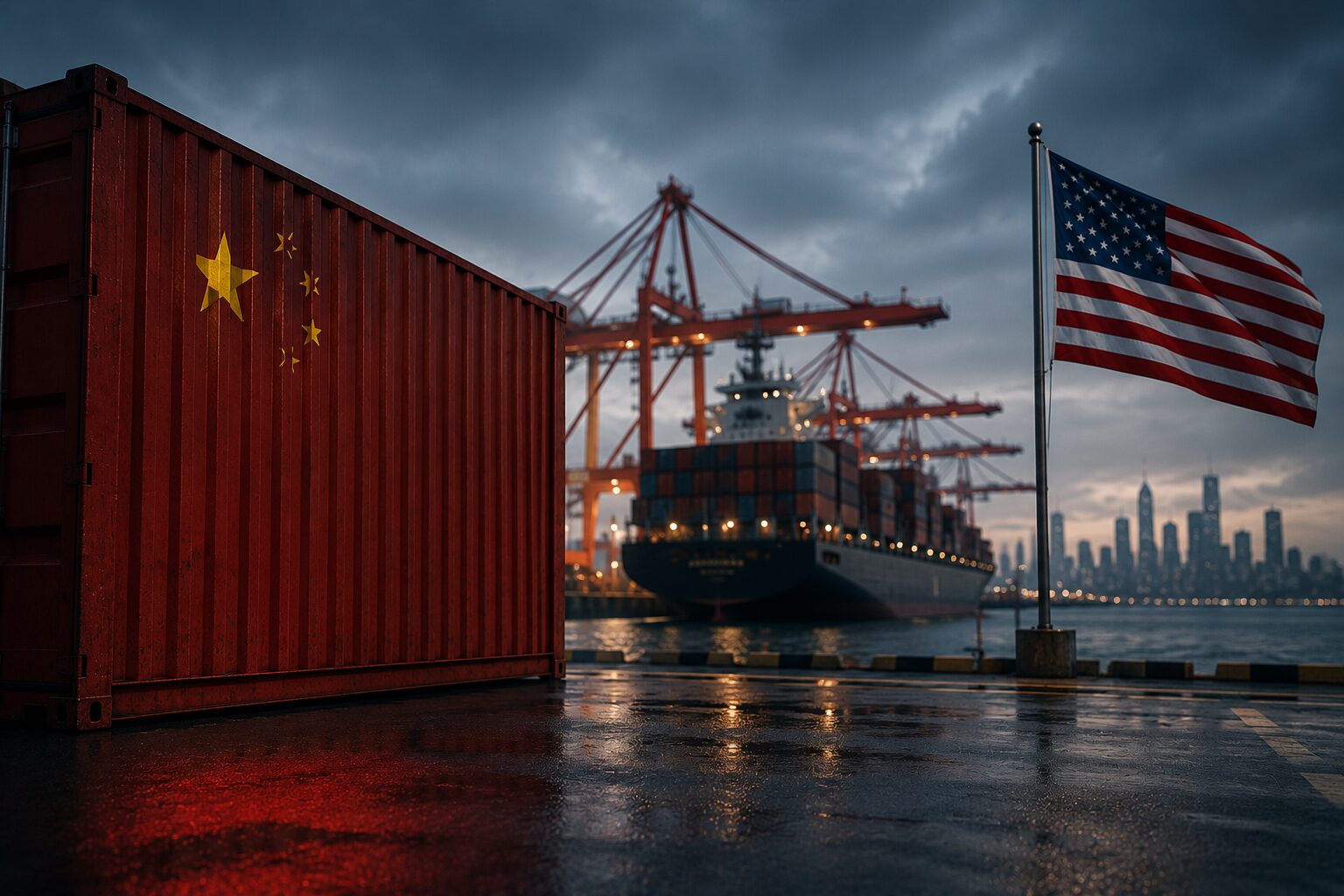
China is exporting about 20 percent fewer rare-earth magnets to the United States despite a trade truce between the two countries, according to Bloomberg. The shortfall underscores how Beijing retains leverage over the critical-minerals supply chains that underpin electric vehicles, defence equipment and a wide range of industrial and electronic goods, even as the two sides have sought to ease tensions.
Rare-earth magnets are essential inputs for motors, generators and precision electronics, and China dominates their processing and manufacture. That a diplomatic thaw has not restored magnet flows to the United States points to a supply chain that remains highly concentrated and sensitive to policy, keeping critical minerals near the centre of the trade relationship between the world’s two largest economies.
For manufacturers dependent on these materials, the shortfall is a reminder that an easing of tensions does not automatically translate into reliable supply, and that concentration risk in critical minerals persists. Access to Chinese rare earths remains a strategic lever rather than a settled commercial arrangement.
For the Gulf, the tightness in rare-earth supply is directly relevant to the region’s industrial ambitions. Saudi Arabia and the United Arab Emirates have moved to build mining and minerals-processing capacity as part of their diversification strategies, and persistent Chinese control of magnet output strengthens the case for alternative processing hubs. The materials are also central to the electric-vehicle, data-centre and clean-energy investments the region is pursuing, so any constraint on supply feeds into the cost and pace of those projects.
Why it matters: Rare earths sit at the intersection of the technology, energy and defence supply chains that the Gulf is investing in heavily, so China’s continued restraint on shipments to the United States signals a supply risk that reaches beyond Washington. It reinforces the strategic logic behind Gulf efforts to develop domestic minerals processing and to diversify sourcing, and it keeps critical minerals a live variable in the global trade picture the region trades and invests against.
Outlook: The path of Chinese magnet shipments in the coming months will show whether the shortfall is a negotiating stance or a more durable tightening. Watch how the United States and its partners accelerate efforts to build non-Chinese rare-earth capacity, and whether Gulf minerals initiatives attract the investment and offtake needed to become a meaningful alternative in a market China still dominates.
Sources: Bloomberg.