China Publishes 1,619 Tariff Lines for US Goods and Sets Up an AI Dialogue With Washington

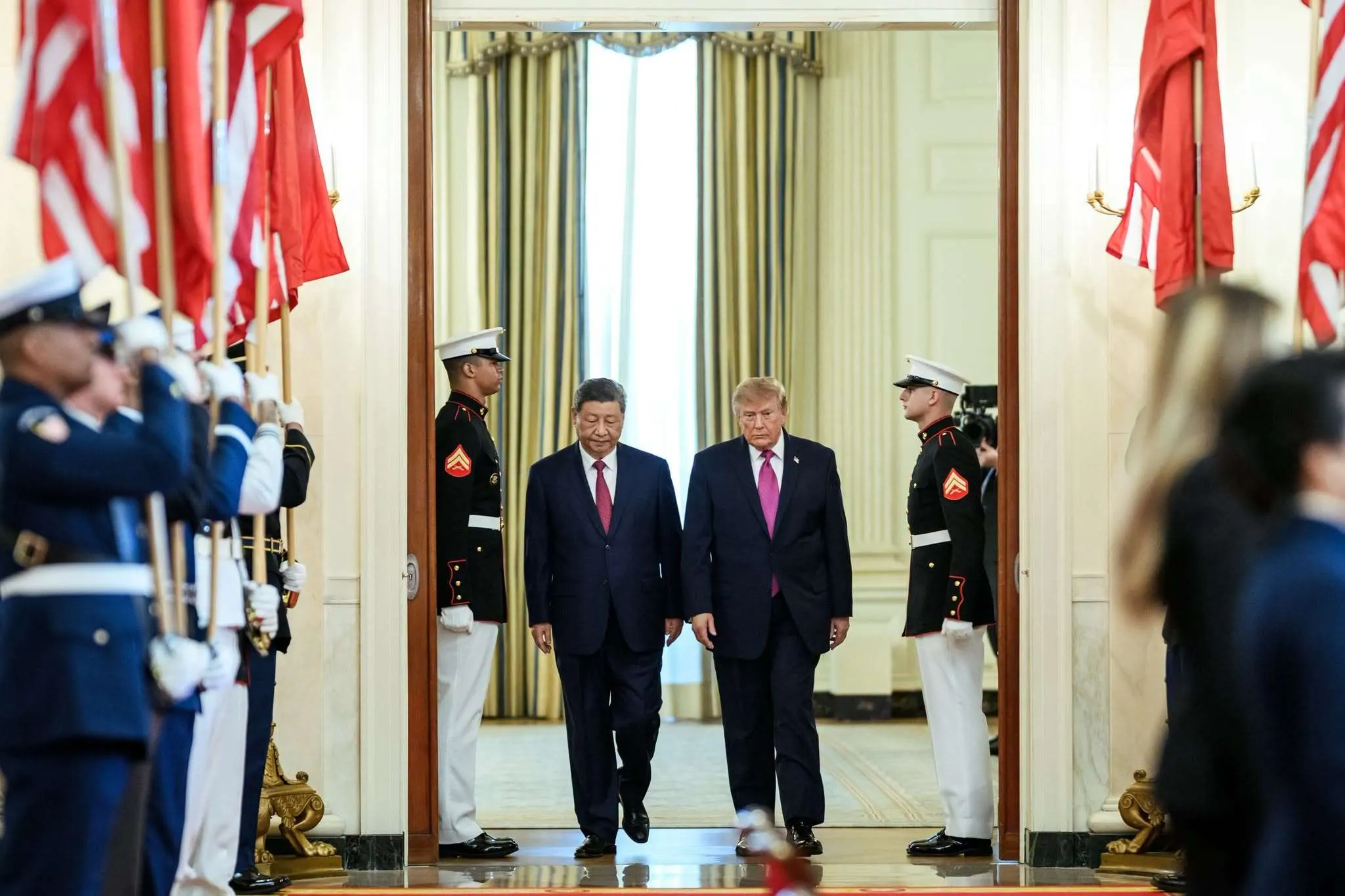
China’s Ministry of Commerce has published the product lists and working rules behind the reciprocal tariff framework agreed with the United States, covering about 30 billion dollars of goods on each side based on 2024 bilateral trade. The ministry said more than 90 percent of the covered products on each side would be exempt from all additional bilateral tariffs and receive most favoured nation treatment, with the cuts taking effect simultaneously once both countries complete their domestic legal procedures. US official language is more conditional: the White House described the outcome as recommendations for more favourable tariff treatment, and the US Trade Representative said the goods could benefit from better treatment in the future. No implementation date has been announced.
The two lists
| Item | China’s list, US goods | US list, Chinese goods |
|---|---|---|
| Listed entries | 1,619 | 77 |
| Main groups | Farm goods, seafood, wood, cosmetics, medical devices, coal | Toys, home textiles, small appliances, highchairs, child safety seats |
| Value basis | About $30bn | About $30bn |
China’s list has 21 times as many entries as the US list, on our calculation, and includes 7 coal lines. US Trade Representative Jamieson Greer said the package improves market access for about 30 percent of US exports to China. The lists may be adjusted no more than once a year.
New channels
A ministry official said the two sides agreed to set up a US-China Investment Council for regular dialogue on investment opportunities and barriers. Vice Premier He Lifeng and Treasury Secretary Scott Bessent have also launched an artificial intelligence dialogue, holding a first round on the risks and benefits of the technology. A second round is due by the end of November, and a communication channel for AI incidents will be set up. The two sides reached an agreement in principle on financial services, under which China will approve applications from foreign institutions, including US ones, to operate and open branches in China. An agriculture working group co-led by the ministry and the US Trade Representative’s office will meet before the end of 2026.
Why it matters: Publishing the lists turns a headline figure into specific products, which gives exporters on both sides a basis for planning. The investment council, AI dialogue and agriculture working group add standing channels for managing the relationship.
Outlook: The ministry said the current suspension runs to 10 November 2026 and the Kuala Lumpur arrangement has been extended to 10 January 2027, and it hopes high level talks at the end of the year will find a positive solution on a further extension.
Sources: Ministry of Commerce of China, White House, Office of the US Trade Representative.