Commodities Wrap 1 July: Precious Metals Rebound as Oil Drops Below US$70
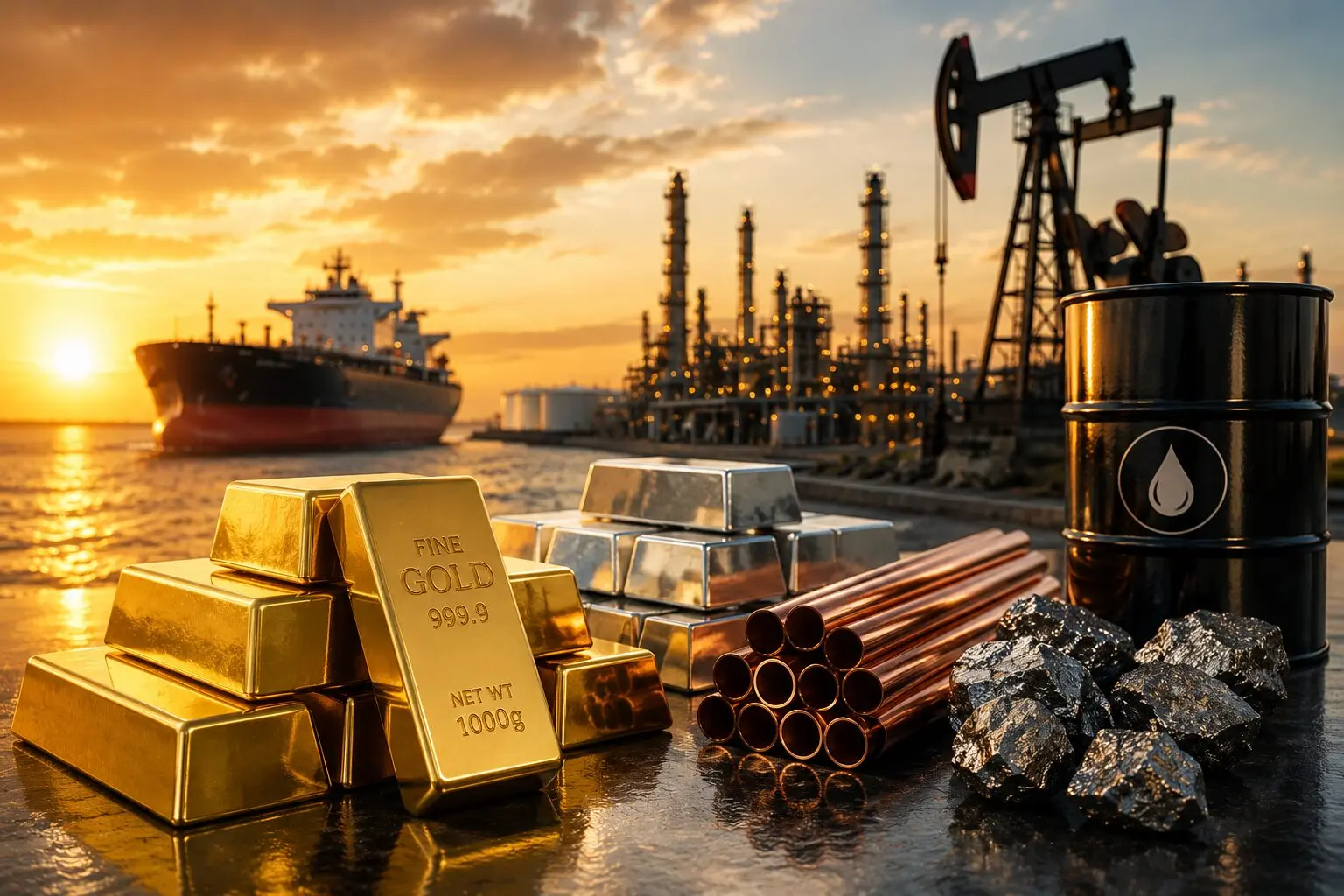
Precious metals rebounded on the first trading day of the second half, led by silver and platinum, while crude oil fell sharply and natural gas and copper eased. The session showed a clear split between renewed demand for precious metals and softer pricing across energy and industrial commodities.
Gold rose about 1.01 percent to around US$4,079 an ounce, recovering after a weak end to the second quarter, while silver outperformed with a 1.58 percent gain to US$60.42 an ounce. Platinum climbed 1.88 percent to US$1,595.20, and palladium added 0.83 percent to US$1,221, extending the rebound across the precious-metals complex.
Oil moved in the opposite direction. West Texas Intermediate crude settled down 1.78 percent at US$68.26 a barrel, back below US$70, while Brent fell 2.19 percent to US$71.35. Prices were pressured by a fading regional risk premium and by supply expectations ahead of the next OPEC+ meeting. The seven producers unwinding voluntary cuts, Saudi Arabia, Russia, Iraq, Kuwait, Kazakhstan, Algeria and Oman, had already agreed a July output increase of 188,000 barrels per day, continuing to unwind earlier voluntary cuts while keeping the flexibility to pause or reverse the moves, and are due to meet again on 5 July to set August levels.
Natural gas dropped 2.08 percent to US$3.21 per million British thermal units, and copper slipped 1.33 percent to US$6.11 a pound, pointing to a softer tone in energy and industrial inputs even as precious metals firmed.
The relative moves were telling. Silver outperformed gold by about 0.6 percentage points, narrowing the gold-to-silver ratio to roughly 67.5. Platinum was the strongest major contract at 1.88 percent, while Brent was the weakest with a 2.19 percent decline. The Brent-WTI spread stood at about US$3.09 a barrel, still positive but not wide enough to signal a major international crude dislocation.
Why it matters: The divergence points to two different market drivers. Precious metals firmed as investors returned to gold and silver after the second-quarter selloff, with silver and platinum benefiting from both investment demand and industrial exposure, while gold holding above US$4,000 keeps it in strategic-reserve territory even after recent volatility. Softer oil reflects a fading geopolitical risk premium and a well-supplied market. For MENA oil exporters, including the Gulf producers, Brent around US$71 reduces the near-term oil-revenue signal but still leaves prices at manageable levels for most regional fiscal plans, while for importers such as Egypt, Jordan, Morocco and Tunisia, lower crude is a modest positive for import bills, inflation and external balances.
Outlook: The near-term direction for oil will depend on the 5 July OPEC+ meeting, the pace at which voluntary cuts are unwound, and whether regional conditions stay calm, with a renewed disruption able to rebuild a risk premium quickly. For metals, the path depends on US real yields, the dollar and Federal Reserve rate expectations, with continued central-bank demand and reserve diversification supporting gold structurally, while silver and platinum may stay more volatile because they also track industrial demand.
Commodities, ranked highest to lowest
| Commodity | Level | % Change |
|---|---|---|
| Platinum | US$1,595.20 /oz | +1.88% |
| Silver | US$60.42 /oz | +1.58% |
| Gold | US$4,079 /oz | +1.01% |
| Palladium | US$1,221.00 /oz | +0.83% |
| Copper | US$6.11 /lb | -1.33% |
| WTI crude | US$68.26 /bbl | -1.78% |
| Natural gas | US$3.21 /MMBtu | -2.08% |
| Brent crude | US$71.35 /bbl | -2.19% |
Brent-WTI spread about US$3.09 a barrel. Gold-to-silver ratio about 67.5.
Sources: CME Group; Intercontinental Exchange; CNBC; OPEC.