Kuwait Holds Most Fuel Prices Steady and Lifts Only Premium 98 Octane, Keeping Costs Among the World’s Lowest
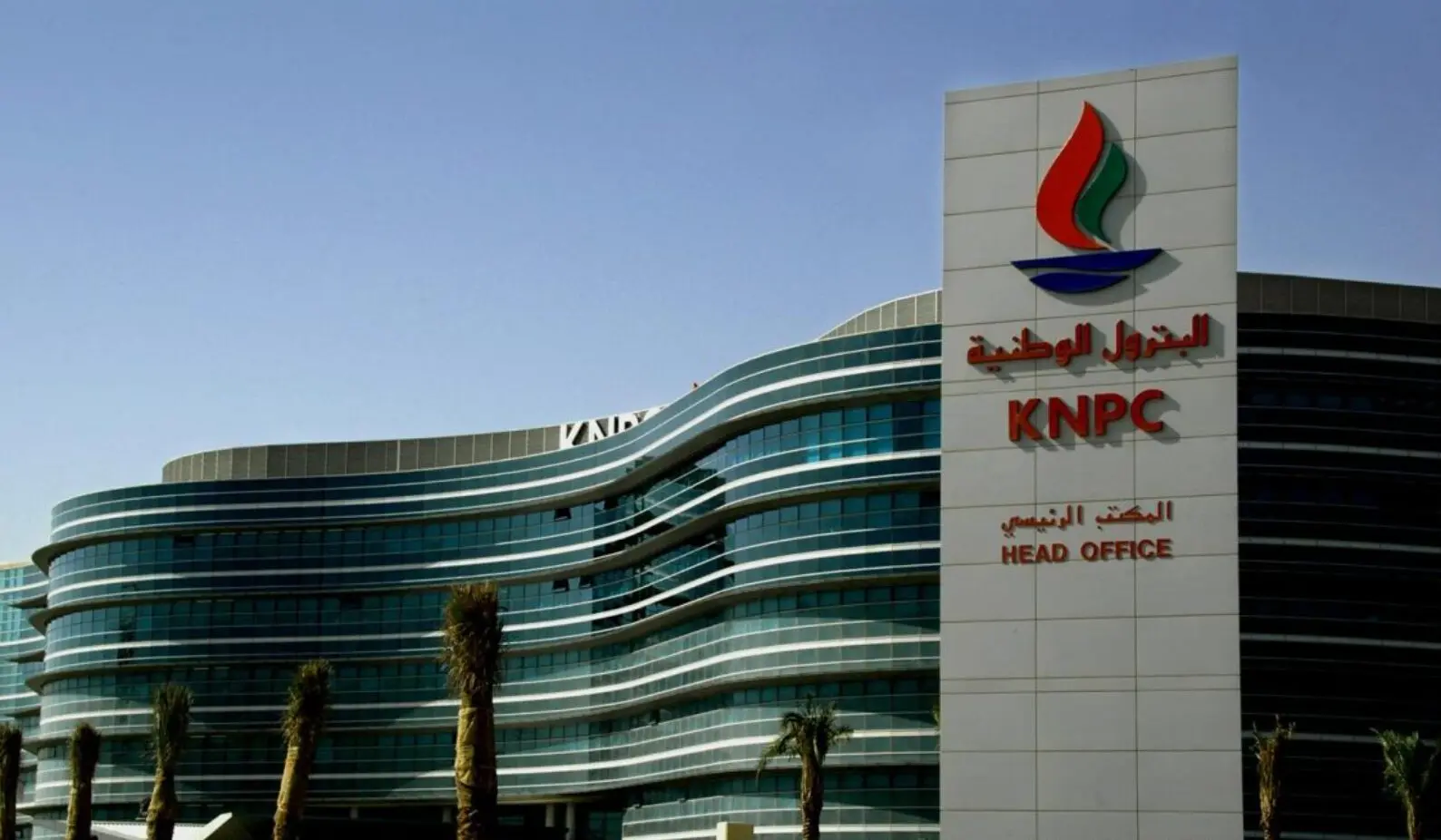
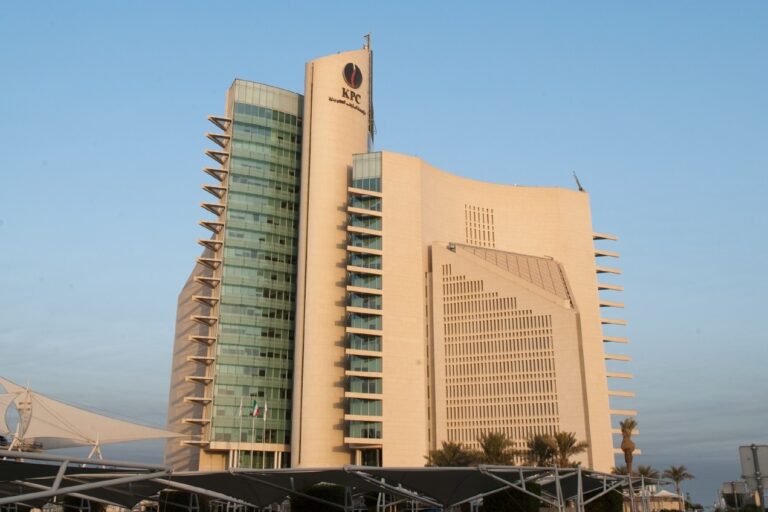
Kuwait kept most retail fuel prices unchanged for the third quarter and raised only the price of its premium 98 octane grade, under the government’s periodic fuel-pricing mechanism effective from 1 July, leaving pump prices among the lowest in the world.
The Kuwait National Petroleum Company said Premium 91 octane was held at 85 fils a litre and Super 95 octane at 105 fils, while diesel and kerosene were unchanged at 115 fils. The only change was Ultra 98 octane, which rose to 275 fils a litre from 225 fils, an increase of about 22 percent for the premium grade. The prices, set by the committee that reviews state subsidy programs, apply through the end of September.
In dollar terms the levels remain very low by international standards. Kuwait’s base 91 octane works out at about US$0.28 a litre and its 95 octane at about US$0.34, while the raised 98 grade is around US$0.89. On a like-for-like gasoline benchmark, Kuwait at about US$0.34 a litre compares with roughly US$0.49 in Egypt, US$0.57 in Qatar, US$0.62 in Saudi Arabia and Oman, and about US$0.90 in the UAE. The gap is far wider against developed markets: US retail gasoline averages about US$1.02 a litre, and prices in the United Kingdom are around 151 pence, or roughly US$2.00 a litre, where fuel duty and tax make up the bulk of the pump price.
Why it matters: Fuel pricing in Kuwait sits at the crossroads of a large energy-subsidy bill and household living costs, and the government’s periodic mechanism is a measured way to adjust prices without a broad shock. By holding the mass-market grades and lifting only the premium 98 octane, Kuwait limits the impact on most drivers while nudging the highest grade toward cost, and its overall fuel costs remain far below those in Europe and below the United States, a reflection of the region’s role as a major hydrocarbon producer.
Outlook: The quarterly mechanism means prices will be reviewed again for the fourth quarter, with any change depending on international oil prices and the cost of the subsidy program. A durable move to align premium grades with cost, while protecting mass-market fuels, would gradually ease the subsidy burden on the budget without a sharp rise in the cost of living, keeping Kuwait among the cheapest fuel markets globally.
Sources: Kuwait National Petroleum Company; official regional fuel-price schedules; published market averages.