Fed Chair Warsh Says US Inflation Is Too High and Declines to Signal a July Rate Decision
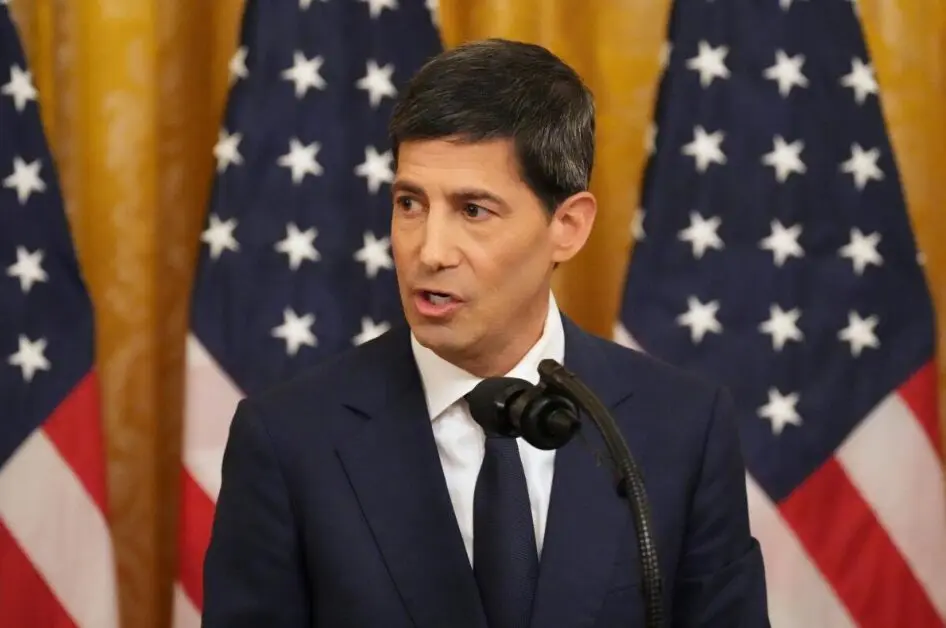
Federal Reserve Chair Kevin Warsh said US inflation remains too high and declined to signal what the central bank will do at its late-July meeting, in remarks at the European Central Bank’s forum in Sintra that underscored a cautious, guidance-light approach.
Speaking alongside other central bank governors, Warsh said prices are still too elevated and that the Fed is focused on delivering price stability, while giving no hint on the next move on interest rates. He also stressed the importance of central bank independence, saying it would not change regardless of political pressure, in an apparent response to calls from the White House for lower rates.
The comments come after the Federal Reserve held its benchmark federal funds rate at a target range of 3.50 percent to 3.75 percent at its June meeting in a unanimous vote, noting that inflation remained elevated relative to its 2 percent goal. The next policy meeting is scheduled for late July.
Why it matters: US monetary policy is the single most important external anchor for the Gulf, because most GCC currencies are pegged to the dollar and regional central banks broadly track Fed moves. A Fed chair signalling patience and no near-term guidance implies Gulf policy rates stay higher for longer, keeping regional borrowing costs, deposit pricing and liquidity tied to the US path, while firmer-for-longer US rates also support the dollar.
Outlook: The focus shifts to incoming US inflation and jobs data and to the late-July meeting, where the Fed will decide whether to hold or move. Warsh’s reluctance to pre-commit keeps markets dependent on the data, and the direction of US rates will continue to flow through to Gulf monetary conditions via the currency pegs.
Sources: CNBC; Federal Reserve.