Egypt Switches to a 10% Export Duty on Nitrogen Fertilizers, Tying the Levy to Global Prices
Egypt has changed the way it taxes nitrogen fertilizer exports, replacing a fixed per tonne charge with a 10 percent ad valorem duty calculated on the free on board invoice value, according to a decree published in the Official Gazette on 25 June. The new system replaces the temporary US$90 per metric tonne export duty introduced in May for a three month period, which was payable in dollars or the equivalent in Egyptian pounds and was due to expire in early August.
The decree excludes pure ammonium nitrate with a nitrogen concentration above 34.2 percent, and shipments destined for productive enterprises in Egypt’s free zones. Those carve-outs narrow the practical scope of the measure and reduce the risk of disrupting specialized industrial or re-export supply chains. By moving from a fixed dollar charge to a percentage of the sale price, Cairo has made the duty rise and fall with the market rather than staying constant as prices move.
Why the switch matters in numbers
The design change is the heart of the story. Under the old system every exported tonne carried the same US$90 charge regardless of price, so as global prices fell from their mid-April peak the effective tax rate climbed, absorbing a larger share of each sale and squeezing exporter margins hardest exactly when the market was weakest. A 10 percent ad valorem duty keeps the burden proportional.
The break-even is US$900 a tonne, where 10 percent equals US$90, matching the old flat charge. Below that level the new duty is lighter, and above it heavier. The ladder is simple: at a FOB price of US$450 a tonne the duty is about US$45, at US$600 it is US$60, at US$750 it is US$75, and only at US$900 does it return to US$90. In effect the switch offers relief at today’s softer prices while automatically capturing more revenue for the state if prices spike again, a more flexible structure than a fixed levy.
A more flexible tax for a volatile market
The timing matters because fertilizer prices have turned volatile. The World Bank’s April 2026 Commodity Markets Outlook projected its fertilizer price index would rise 31 percent in 2026 before easing in 2027, with urea up about 60 percent given its heavy dependence on natural gas as feedstock, and noted the index had reached its highest level since October 2022 on regional disruptions and shipping-route risks.
For Egypt that is both risk and opportunity. Higher world prices lift export earnings and foreign-currency inflows, but they also sharpen the incentive to sell abroad rather than supply the domestic market, which can raise local farm input costs and feed into food prices. A percentage-based duty responds to both sides of the cycle: it falls automatically when prices are low, keeping Egyptian producers competitive, and rises when prices climb, letting the state capture more of the export value and curbing the incentive for excessive outward shipments without a new decree.
Why Egypt is managing fertilizer exports
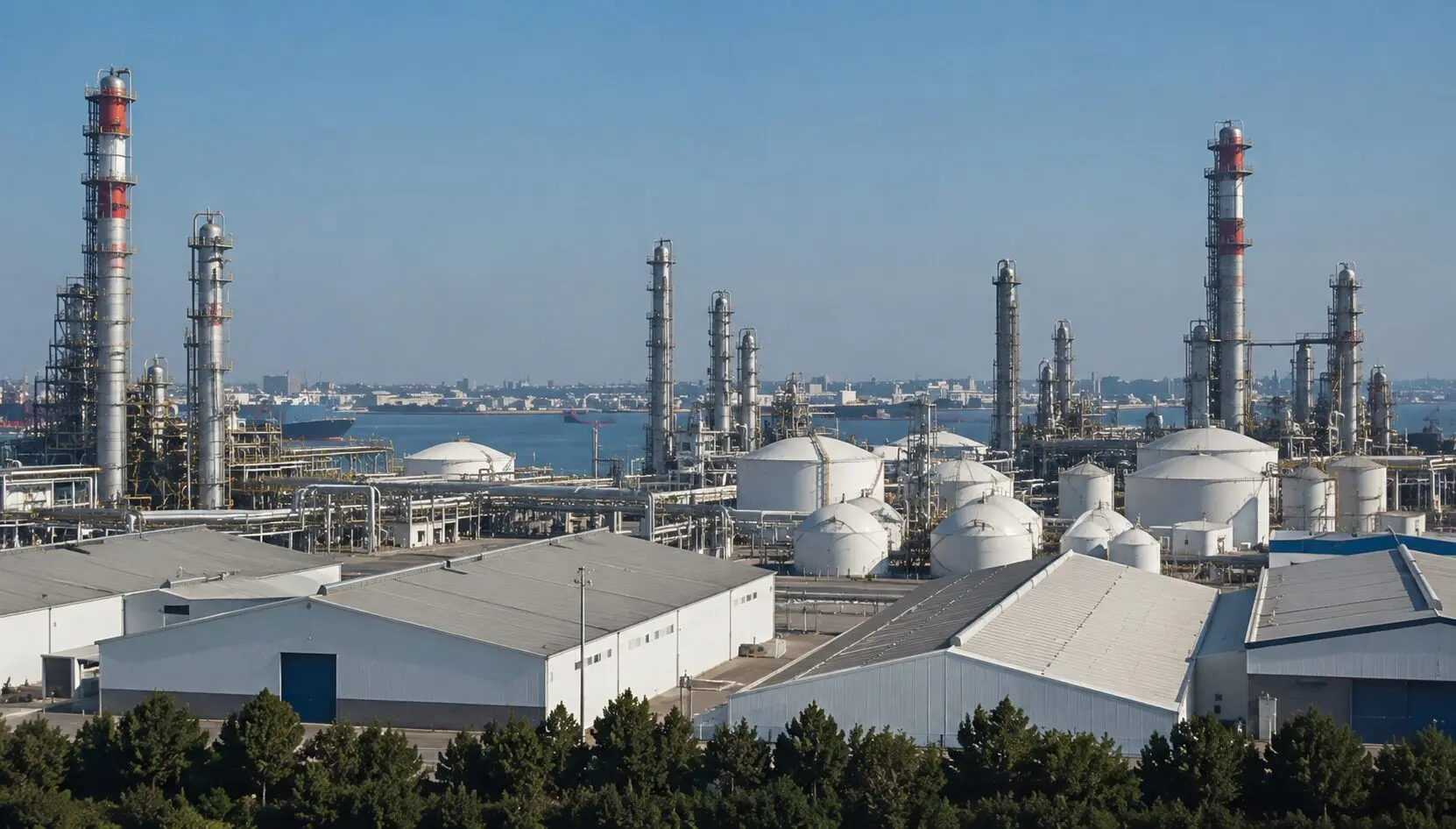
Egypt’s nitrogen fertilizer sector sits at the intersection of energy, agriculture and exports. Plants use natural gas as both feedstock and fuel, so profitability is highly sensitive to gas prices and gas availability. In September 2025 the government approved raising the gas supply price for nitrogen fertilizer plants to US$5.5 per million British thermal units from US$4.5, lifting the industry’s cost base, and earlier in 2026 a regional gas-supply disruption forced the authorities to prioritize gas for civilian electricity over industry, curtailing fertilizer output.
Against that backdrop the export duty is a lever to balance three priorities at once: securing domestic fertilizer supply for farmers and food security, limiting the fiscal cost of subsidized or preferential input structures, and preserving a competitive export sector that earns hard currency. The ad valorem design gives policymakers a more responsive instrument than the previous fixed charge.
Egypt’s weight in the global market
Egypt is not a marginal player. World Bank WITS and UN Comtrade data show it exported about US$1.41 billion of urea in 2024, around 3.22 million tonnes, placing it among the largest urea exporters by value, behind Saudi Arabia in that dataset. Its proximity to European, African and Mediterranean buyers means it often matters to price formation in nearby import markets, so any change in Egyptian export costs affects regional fertilizer availability and pricing, not just domestic producers.
The new duty cuts both ways for the world market. At current softer prices, replacing a US$90 flat charge with a 10 percent value-based levy lowers the per tonne burden and supports export competitiveness, which helps importers. But if prices rebound toward the highs seen earlier in the year, the same structure raises export costs automatically, adding pressure on buyers already facing higher farm input bills, especially if more governments turn to export taxes or quotas to protect domestic supply.
Why it matters
For Egypt, the measure is a calibrated tool: it protects revenue when prices are strong, eases the burden on exporters when prices soften, and supports domestic availability at a time when gas supply and the import bill are both under strain. For producers, it is relatively more favorable than the old flat levy at any price below US$900 a tonne, though higher gas costs and periodic supply curtailments remain the bigger swing factors. For regional and global buyers, Egypt’s standing as a major urea and nitrogen exporter means the structure of its duty is a real variable in fertilizer availability and agricultural input costs heading into the next planting cycles.
Outlook
The next test is how the duty behaves through the second half of 2026. If prices stay moderate, the 10 percent system will be lighter than the old US$90 charge and should support export continuity; if prices surge, it becomes a more meaningful revenue source for the state and a larger cost for buyers. Markets will watch three operational signals: whether gas supply to industry normalizes and lifts production curtailments, whether domestic fertilizer availability stays sufficient for farmers, and whether the government adjusts export policy further after the original three-month levy window. The policy is best read as a flexible response to a volatile market: Egypt is not closing exports, it is repricing the state’s claim on them in step with global fertilizer prices.
Sources: Egyptian Official Gazette; World Bank.