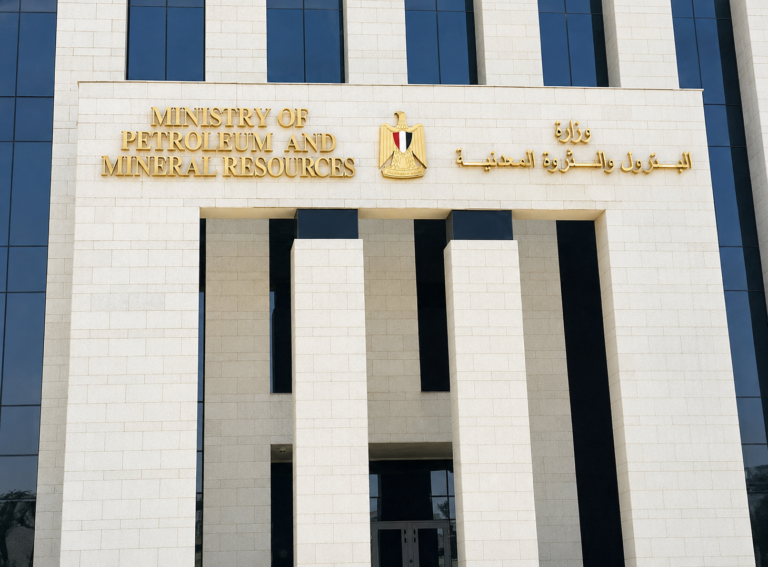
Egypt Is Selling Stakes to Its Own Lenders: EBRD and IFC Line Up for 10 Percent of Two State Offerings
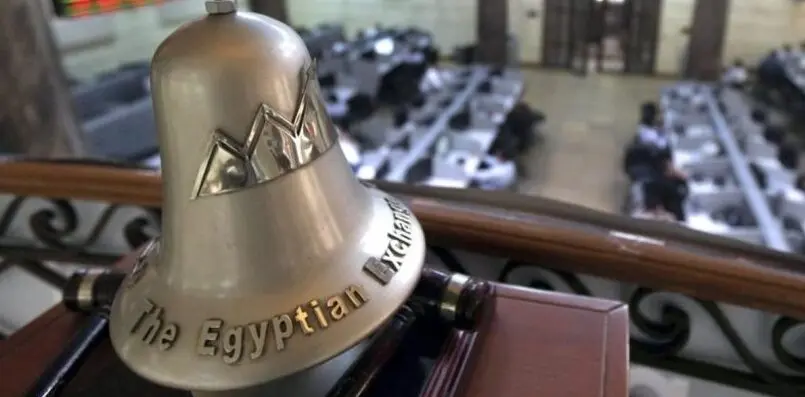
Two Egyptian state offerings are converging on the same structure and the same buyers, and the institutions involved are not new arrivals. They are the incumbent creditors.
The European Bank for Reconstruction and Development and the International Finance Corporation intend to acquire 10 percent of Banque du Caire through its planned listing on the Egyptian Exchange, Bloomberg reported on 15 August, citing sources who asked not to be identified. An EBRD official, responding on the record, said the bank intends to contribute to Banque du Caire’s capital in order to attract further investors and reinforce confidence in the strength of its financial position, adding that the EBRD’s own stake “may reach 5 percent” and that international institutions’ participation would total 10 percent of the bank’s capital once the IFC joined.
The following day the same publication reported that six international, African and Arab investment institutions are negotiating for 10 percent of the offering of Misr Life Insurance, citing an official who requested anonymity. That group is said to comprise the IFC and the EBRD alongside four African and Arab investment funds, with an agreement and final signature with the IFC possibly concluding within days.
The same two development institutions, the same 10 percent, in two separate state sales within a fortnight.
What the institutions’ own records show
A search of the EBRD’s and the IFC’s own project and press disclosures establishes two things.
First, neither institution has publicly disclosed an equity participation in either offering. The EBRD project database and the IFC disclosure portal carry no 2026 entry for an equity investment in Banque du Caire or in Misr Life Insurance. On the institutions’ own records, these transactions do not yet exist.
Second, and more revealing, both are long-standing lenders to Banque du Caire. The EBRD’s project database lists a series of facilities to the bank, including senior loans for on-lending to micro, small and medium-sized enterprises, a subordinated loan, and a facility under its Women in Business programme. The IFC has separately partnered with Banque du Caire on climate finance, and with Misr Insurance Holding Company — the state-owned parent of Misr Life Insurance — on developing the insurance sector.
These are not outside investors being courted. They are existing creditors and advisers being asked to convert relationships into equity. That distinction matters for how the offerings should be read: the anchor is coming from institutions that already carry Egyptian bank credit exposure and already know the books.
The number that explains the urgency
Egypt’s privatisation programme has decelerated sharply, and the government’s own data shows it.
The first phase raised approximately $3.11 billion. The second raised approximately $2 billion. The third did not exceed $625 million. The fourth reached approximately $142 million — a decline of roughly 95 percent from the first phase to the fourth.
Measured against the programme’s overall record, Egypt raised approximately $5.8 billion between June 2022 and June 2025, or about 47.5 percent of a $12.2 billion target. The programme is running at less than half its goal while its phase-by-phase momentum has all but stopped.
Read against that record, development bank participation is not incidental. Anchoring two consecutive offerings supplies what phases three and four evidently lacked: a credible institutional buyer willing to price and commit before retail and portfolio money is asked to follow. The EBRD official’s stated rationale — attracting further investors and reinforcing confidence — describes precisely that function.
What each deal is
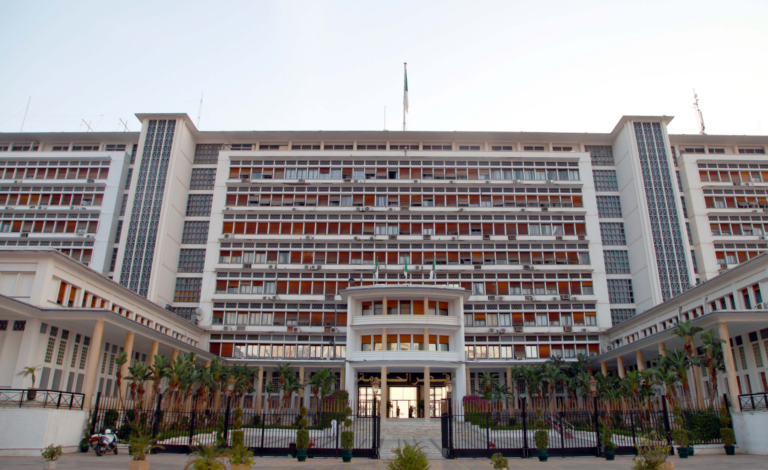
Egypt is targeting a sale of between 30 and 40 percent of Banque du Caire, the third largest state-owned bank, aiming to raise between 23 and 32 billion Egyptian pounds, approximately $460 million to $650 million, according to a government official who spoke to Bloomberg in March. The bank’s estimated fair value is around 78 billion pounds, close to $1.5 billion. EFG Holding and CI Capital have been appointed to manage the offering, with Baker Tilly as independent financial adviser. Investment and Foreign Trade Minister Mohamed Farid said in April the offering would take place in the second half of 2026; the chief executive of the state-owned companies unit has indicated November, with the offered stake covered within a week.
Misr Life Insurance is the larger prize by ambition. Egypt is targeting 14 billion pounds, approximately $270.6 million, from an initial public offering of a 20 percent stake — which the investment minister described in April as the largest offering in the history of the Egyptian Exchange. The structure splits evenly: 10 percent for a private placement to international institutions and private investors, and 10 percent for the public tranche. Proceeds go entirely to the state and are earmarked for reducing public debt. The company sits under Misr Insurance Holding, owned by the sovereign fund, and is Egypt’s largest life insurer. Execution is targeted for the final quarter of this year.
The valuation problem has not gone away
Banque du Caire’s shares have been listed on the exchange since 2017, but the offering has been postponed repeatedly over market volatility and valuation disagreements. In June 2025 negotiations for Emirates NBD to acquire the bank stalled over price: the Emirati bank raised its offer to $1.5 billion while the government held to a $1.8 billion valuation for the entire equity, before pivoting to a market offering.
The current fair value estimate of about $1.5 billion is the same level Emirates NBD offered and the government refused. After more than a year of delay, the valuation the state rejected as too low has become the valuation it is working from. Bloomberg notes these estimates may change given exchange rate movements arising from the regional conflict.
Egypt’s state holdings remain vast: approximately 561 companies across 18 economic activities, distributed across 45 government entities, with the government preparing an updated inventory and a detailed exit plan.
What to watch
The test of these two offerings is not whether they clear. With development institutions anchoring a fifth of each, they very likely will. The test is whether they restart a programme whose last phase raised less than 5 percent of what its first phase did — and whether the EBRD and the IFC formalise these stakes in their own disclosure records, which would convert the reporting above into confirmed transactions.
Sources
Bloomberg, 15 and 16 August 2026, including on-the-record comment from an EBRD official · European Bank for Reconstruction and Development project database · International Finance Corporation project disclosures and press releases · Egyptian government data as reported. Analysis by The Edge Research Team.