Egypt Paid About US$16 Billion in External Debt Service in the First Half of Its Fiscal Year
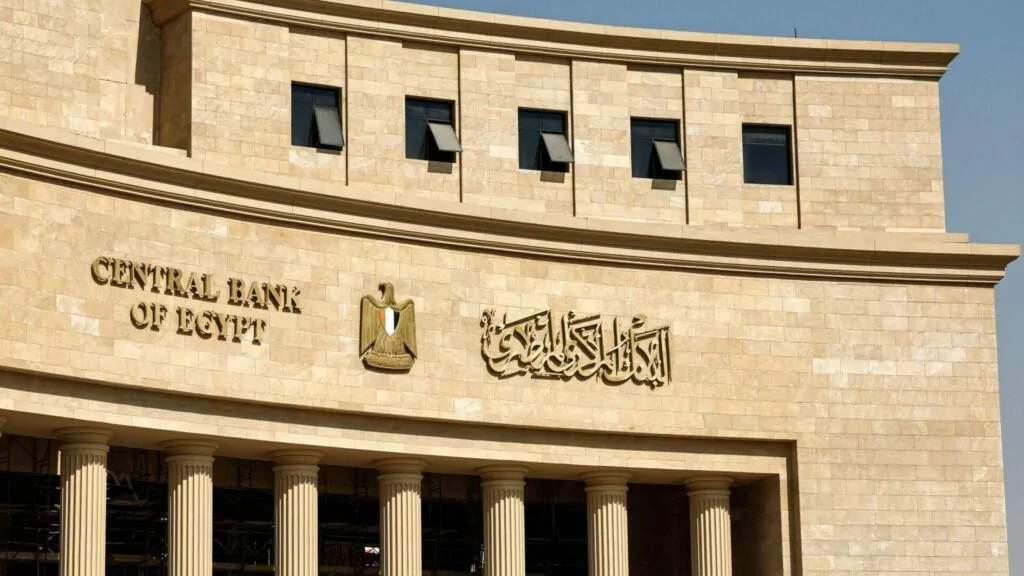
Egypt paid roughly US$16 billion in interest and principal on its external debt during the first half of the 2025/26 fiscal year, according to the Central Bank of Egypt, underlining the heavy debt-service burden the country is managing even as its debt ratios improve.
The Central Bank’s data show debt-service payments of about US$6.442 billion in the first quarter of the fiscal year and US$9.553 billion in the second, meaning the second-quarter burden was roughly 48 percent higher than the first, reflecting a concentration of maturities. Across the half year, principal repayments totalled US$12.24 billion, or about 76.5 percent of total debt service, while interest payments reached US$3.753 billion, or 23.5 percent.
Despite the large repayments, the stock of external debt rose only modestly, to US$163.9 billion at the end of December 2025 from US$161.23 billion at the end of June 2025, an increase of about 1.7 percent. More striking, external debt as a share of GDP fell to about 40.6 percent from 44.2 percent over the same period, a decline of 3.6 percentage points that reflects a larger dollar value of GDP alongside the managed debt profile.
Why it matters: The figures capture the central tension in Egypt’s macro story: a still-large external-financing and repayment schedule set against genuinely improving debt ratios. A falling debt-to-GDP ratio and a broadly stable debt stock suggest the adjustment under the IMF program and Gulf and multilateral support is gaining traction, but the scale of half-yearly debt service shows why Egypt continues to diversify its funding, including the recent yen Samurai bond, to smooth maturities and lower costs.
Outlook: The path from here depends on the pace of external inflows, the rollover of maturing debt at manageable cost, foreign-currency liquidity and continued reserve accumulation. Sustained progress on the debt ratio, alongside steady portfolio inflows and program disbursements, would support the improvement, while a heavy maturity calendar keeps refinancing risk in focus.
Sources: Central Bank of Egypt.