Egypt’s Foreign Exchange Reserves Reach Record US$53.13 Billion as External Liquidity Continues to Improve
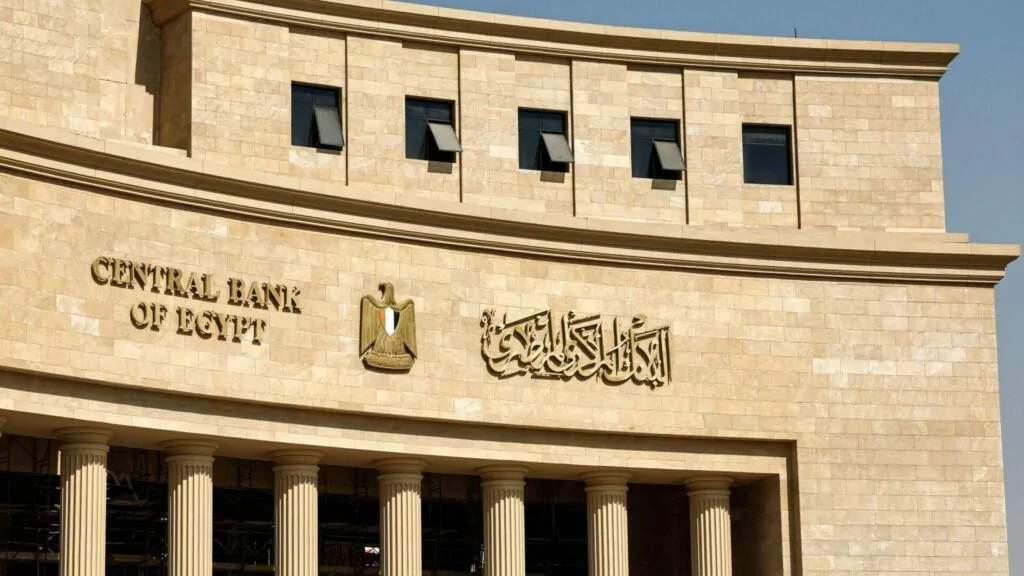
Egypt’s net international reserves increased to a record US$53.134 billion at the end of May 2026, according to official data released by the Central Bank of Egypt (CBE), extending the country’s steady reserve accumulation trend and reinforcing confidence in its external financial position.
The latest figure compares with US$53.009 billion recorded at the end of April, representing a monthly increase of approximately US$124.8 million. While the monthly gain was relatively modest, the significance lies in the ability to maintain reserve growth from an already elevated base, pushing Egypt’s foreign exchange reserves to their highest level on record.
Record Reserves Reflect Strengthening External Accounts
The continued increase in reserves highlights the ongoing improvement in Egypt’s external liquidity position following a series of monetary, exchange rate, and structural reforms implemented over the past two years.
Foreign exchange reserves have become one of the clearest indicators of the country’s strengthening ability to absorb external shocks, finance imports, and meet foreign debt obligations.
Recent improvements have been supported by several key drivers:
- Strong growth in remittances from Egyptians working abroad.
- Recovery and expansion of tourism revenues.
- Improved foreign investor participation in Egyptian financial markets.
- Continued inflows from multilateral and bilateral financing arrangements.
- Recovery in the banking sector’s net foreign asset position.
Together, these factors have increased foreign currency availability across the economy and supported the Central Bank’s reserve accumulation strategy.
Remittances Continue to Drive Hard Currency Inflows
One of the most important contributors to Egypt’s improved external position has been the sharp increase in remittances.
According to official CBE data, remittances from Egyptians working abroad reached approximately US$34.9 billion during the first nine months of fiscal year 2025/26, marking one of the highest levels ever recorded and reflecting the impact of exchange rate liberalization and stronger incentives for transfers through formal banking channels.
The sustained rise in remittances has provided a stable source of foreign currency inflows, reducing pressure on the balance of payments and supporting reserve growth.
Banking Sector Recovery Strengthens Foreign Currency Liquidity
Another important development has been the recovery of net foreign assets within Egypt’s banking system.
After recording significant deficits during previous periods of foreign currency shortages, the banking sector has returned to a positive net foreign asset position, improving overall foreign currency liquidity and strengthening confidence in the financial system.
This recovery has complemented reserve accumulation at the Central Bank level and contributed to a broader improvement in Egypt’s external sector indicators.
Why Reserve Growth Matters
Net international reserves represent the country’s primary buffer against external financial shocks. They consist of foreign currency assets, gold holdings, Special Drawing Rights (SDRs), and reserve positions held with the International Monetary Fund.
A stronger reserve position provides several economic benefits:
- Enhances the country’s ability to meet external debt service obligations.
- Supports monetary and financial stability.
- Improves investor confidence and sovereign risk perceptions.
- Provides protection against volatility in global financial markets.
- Strengthens the country’s capacity to manage external financing requirements.
For emerging markets, reserve adequacy remains one of the most closely monitored indicators of macroeconomic resilience.
Key Economic Implications
The latest reserve data points to several important trends.
First, reserve growth is continuing despite already being at record levels, suggesting that recent improvements in foreign currency inflows are becoming increasingly sustainable.
Second, the pace of accumulation has become more gradual, indicating that authorities are prioritizing stability and liquidity management rather than rapid reserve expansion.
Third, the reserve position provides Egypt with a stronger buffer against external risks, including global financial volatility, regional geopolitical developments, and fluctuations in capital flows.
Finally, the data reinforces evidence that Egypt’s external sector has improved materially compared with the challenges experienced during 2022 and 2023.
Outlook
Looking ahead, the trajectory of Egypt’s reserves will depend largely on the sustainability of remittance inflows, tourism revenues, foreign direct investment, portfolio flows, and global financial conditions.
While external risks remain, the latest figures indicate that Egypt enters the second half of 2026 with one of the strongest reserve positions in its modern economic history. Continued improvements across the country’s external accounts could further strengthen resilience and support macroeconomic stability over the medium term.
Sources: Central Bank of Egypt (Net International Reserves releases and external sector statistics), Central Bank of Egypt remittance data, IMF external sector frameworks, and official monetary and banking sector publications.