Egypt Forum Plan Readies Incentives for an Estimated 6,000 Factories in Early 2027
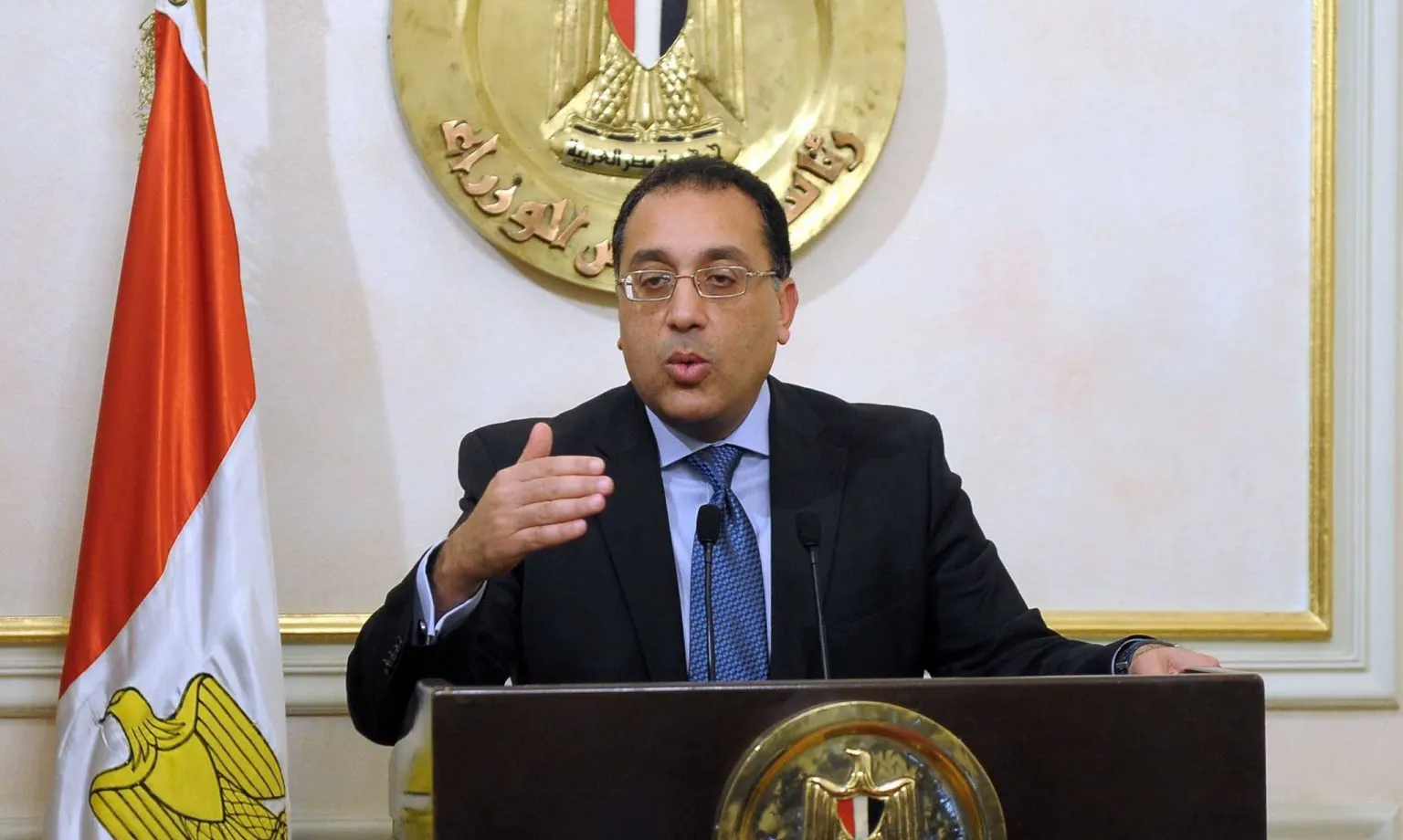
Egypt plans to extend investment-law incentives to an estimated 6,000 factories in the first quarter of 2027, its industry minister told a meeting chaired by Prime Minister Mostafa Madbouly.
For Egyptian manufacturers, the meeting turned the forum’s broad mandates into programmes with dates and numbers: incentives tied to local content, a route back for stalled plants and a larger share of state purchasing. In The Edge’s reading, the Productive Village is the first test, because its opening round is due this month, before any other target date still to come in the plan.
Madbouly said the government began acting on the outputs of Egypt Forum 2026 as soon as it ended, across the various files and sectors of the state, in line with the directives of President Abdel Fattah El-Sisi. The forum’s mandates on pay, housing and energy were set out on our site after its closing ceremony.
Industry ministry ties incentives to local content
Minister of Industry Khaled Hashem presented timetables and targets for five of the forum’s recommendations. The first adds targeted and feeder industries to the sectors that qualify for the incentives in Egypt’s investment law, under the local manufacturing deepening programme.
The aim is to spur industrial investment, raise production capacity and deepen local content. Hashem put the coverage at an estimated 6,000 factories.
A separate executive programme picks priority industries, zones and industrial complexes. Investors there would receive tax and customs facilities, easier payment terms for industrial land and simpler licensing. The link between these incentives and a higher local component in their products was set out on our site in October.
The programme rests on the QIMA certificate, which measures an industrial facility’s economic contribution. It runs from 2027 to 2030.
Its target is 6,500 certified facilities. Egyptian industrial products are to reach 50% of government procurement, in share and in value.
The programme also aims to raise local industrial value added at the facilities it covers by 30%. A further goal is a 20% increase in reliance on local suppliers and in the depth of Egyptian industrial supply chains.
Industry ministry targets presented on 4 November
| Programme | Target | Timing |
|---|---|---|
| Incentive package | 6,000 factories (estimate) | Q1 2027 |
| QIMA certified facilities | 6,500 | 2027 to 2030 |
| Egyptian goods in state procurement | 50% share | 2027 to 2030 |
| Local value added, beneficiaries | +30% | 2027 to 2030 |
| Reliance on local suppliers | +20% | 2027 to 2030 |
| Distressed factories revived | 60% | 2027 to 2028 |
| Young Manufacturers projects | 500 | 2027 to 2030 |
| Productive Village projects | 1,000 | By 2030 |
Targets as presented by the Minister of Industry; the factory count for the incentive package is the ministry’s estimate. No base figures were given for the percentage targets.
A new platform aims to revive 60% of distressed factories
A platform for manufacturers will take applications from factories that have stopped or are in difficulty. It will register each case, study the causes and choose a route: partnership, financing or technical support.
Financing may come through specialised investment funds. Partnerships could turn distressed plants into investment opportunities that can operate and expand.
The system runs over 2027 and 2028. Its goal is to revive 60% of the factories facing financial or technical difficulty, although the published statement gives no count of such factories and no size for the funds.
The Young Manufacturers initiative with the Tahya Misr Fund, set out on our site in October, now has a number. Work is under way to list and study the projects submitted through Egypt’s industrial modernisation centre, with their financing and technical needs, before they go to the fund to decide the support for each.
The timetable runs from 2027 to 2030. The goal is 500 projects, an average of 125 a year.
Productive Village is set to open its first round this month
The Productive Village initiative, set out in our October report, now has a schedule. It aims for 1,000 industrial and productive projects in Egyptian villages by 2030, each matched to the village’s comparative advantage.
Unused land and buildings will be offered as integrated investment opportunities under usufruct. The activities for each village follow its advantages and initial technical studies, for projects that do not pollute.
The ministry plans 14 consecutive quarterly rounds. Each round will offer between 100 and 150 opportunities.
Taken together, the rounds would offer between 1,400 and 2,100 opportunities, more than the project target. Applications and allocation will run online through Egypt’s digital industrial platform.
The first round opens in November 2026. Training for village workers is to run alongside construction of the projects.
Investment ministry dates its licensing and platform work
Minister of Investment and Foreign Trade Mohamed Farid Saleh gave the timetable for the economic entities platform, which our earlier report set out for completion by the end of 2027. The work sits under a tripartite protocol between the investment and communications ministries and the General Authority for Investment and Free Zones.
Four of the protocol’s projects carry dates. Licensing re-engineering began in January 2026 and is to finish by February 2027.
Building the platform began in July 2026, with completion planned for December 2027.
A hosting environment project started in August 2026 and runs to July 2031. Work by a general project-management consultant began in August and is due to end in February 2028.
Dated projects under the investment protocol
| Project | Start | Planned end |
|---|---|---|
| Licensing re-engineering | January 2026 | February 2027 |
| Economic entities platform | July 2026 | December 2027 |
| Hosting environment | August 2026 | July 2031 |
| Project-management consultant | August 2026 | February 2028 |
Dates as presented by the Minister of Investment and Foreign Trade, under the protocol with the communications ministry and the General Authority for Investment and Free Zones.
Farid also reviewed the plan to update the export rebate programme, raising export support for promising sectors and the support set aside for shipping to target markets. He said the new programme will go to the Cabinet and be announced once approved; no amounts were given.
A study has been prepared for a services export council, meant to back entrepreneurship with support, facilities and financial incentives. Its aim of 1 million high-income jobs was set out in our October report as a goal of support for entrepreneurship. A meeting with the bodies concerned and with candidate members, including business people, is being called before a decree sets up the council.
Other officials described their parts. The labour minister said the ministry is widening partnerships with the private sector to create jobs, including for women, and expanding specialised training in target sectors such as solar and other renewable energy.
The chairman of the General Authority for Suez Canal Economic Zone said it is working with the ministries on training centres and on bringing more companies into the zone, especially small and medium-sized ones. The Arab Organization for Industrialization is coordinating with the industry minister on using its factories for automotive feeder industries, its chairman said.
The chief executive of the Micro, Small and Medium Enterprises Development Agency said the strategy for small and medium-sized enterprises is being developed. The agency is also working to link smaller firms to large industries as suppliers.
What to watch: The first Productive Village round opens in November 2026. Licensing re-engineering is due to finish by February 2027. The incentive package for an estimated 6,000 factories is planned for the first quarter of 2027. The economic entities platform is due for completion in December 2027.
Figures are from the Egyptian Cabinet’s statement of 5 November 2026 on the Prime Minister’s meeting of 4 November; averages and totals not attributed to a source are The Edge’s calculations.
Sources: Egyptian Cabinet, The Edge.