Telecom Egypt Guides 2027 Revenue Growth to Low Double Digits, Lifts Capex and Cash Goals
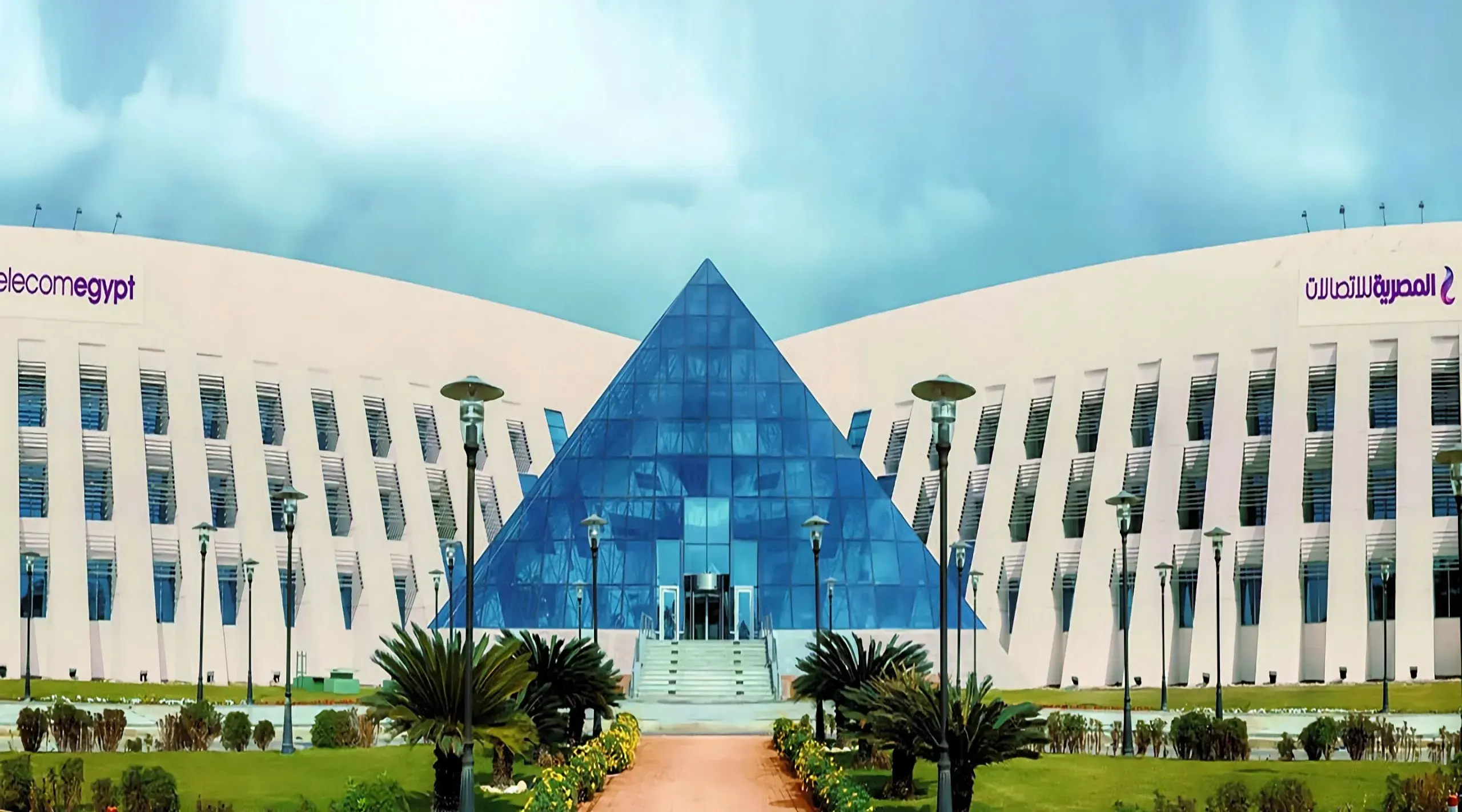
Telecom Egypt’s board approved 2027 guidance of revenue growth in the low double digits, up from high single digits guided for 2026, with heavier fibre investment and stronger cash conversion.
For Telecom Egypt shareholders, revenue growth, investment and cash-conversion guidance rise, while the margin range extends into the mid-forties. In The Edge’s reading, the cash target is the demanding part: the plan pairs more network spending with a higher conversion of EBITDA into free cash flow, so each quarter’s cash flow line is the one to follow.
The 2027 ranges rise on three measures as the margin band widens
The company published the guidance on 5 November, the day it filed the decisions of its 4 November board meeting with The Egyptian Exchange.
Revenue growth is expected in the low double digits, against the high single digits guided for 2026. The EBITDA margin is projected in the low to mid forties, a wider and higher band than the low forties set for this year.
In-service capital spending is anticipated at a ratio to sales in the mid twenties, up from the low twenties. Free cash flow to the firm (FCFF) is estimated at a positive ratio to EBITDA in the low to mid forties, against the mid thirties guided for 2026.
Telecom Egypt KPI guidance, 2026 against 2027
| Measure | 2026 | 2027 |
|---|---|---|
| Revenue growth | High single digits | Low double digits |
| EBITDA margin | Low forties | Low to mid forties |
| In-service capex to sales | Low twenties | Mid twenties |
| FCFF to EBITDA | Mid thirties | Low to mid forties |
Ranges as worded in the company’s guidance releases of 11 December 2025 and 5 November 2026.
Fibre, cloud and AI demand carry the revenue case
Managing Director and Chief Executive Officer Tamer El Mahdi said the budget builds on the momentum of 2026 and on the strategy the board approved at the start of the year: drawing more revenue from the established businesses while developing new sources of growth.
In retail, he expects network upgrades to raise usage and move customers to higher speed packages. Beyond retail, he said rising demand for cloud and AI services is increasing the need for international capacity and hosting, which supports the expansion of the company’s data centre business.
The capital plan centres on the fibre to the home rollout and on strengthening the network, which he said would drive growth and improve service quality for years. He said the company expects to fund that investment while “converting more of our EBITDA into free cash flow”.
The international side of that case already has a project attached. On 3 September the company signed an agreement with Power Sub Link to build a Sharm El Sheikh to Taba subsea cable, which the company puts at an estimated 200 kilometres.
It gives the design capacity as an estimated 5 petabits per second, and expects the cable to be ready for service in the fourth quarter of 2027.
First half results run ahead of the 2026 revenue, margin and cash ranges
The first half of 2026 came in ahead of this year’s guidance on revenue, margin and cash flow. Revenue rose 17% to EGP 59.2 billion, against high single digit growth guided for the year. The EBITDA margin was 45%, against a projection in the low forties.
FCFF reached EGP 10.0 billion in the half, or 38% of EBITDA, above the mid thirties guided for the full year. With its first quarter results in May, the company said it expected to exceed its revenue guidance for this year, subject to continued macroeconomic and currency stability, citing tariff adjustments approved by NTRA of 13.5% for fixed broadband and 15% for mobile, as stated in the Arabic version of that release.
The pace picked up after March. First half revenue of EGP 59.2 billion compares with EGP 28.2 billion in the first three months, and the company said the stronger momentum seen in the second quarter gave it greater confidence in its outlook for the second half.
H1 2026 results against the 2026 guidance
| Measure | 2026 guidance | H1 2026 |
|---|---|---|
| Revenue growth | High single digits | 17% |
| EBITDA margin | Low forties | 45% |
| In-service capex to sales | Low twenties | 8% |
| FCFF to EBITDA | Mid thirties | 38% |
H1 figures as printed in the results release of 13 August 2026; revenue growth is year on year; the guidance covers the full year.
Telecom Egypt results, 2026 (in EGP billions)
| Measure | Q1 2026 | H1 2026 |
|---|---|---|
| Revenue | 28.2 | 59.2 |
| EBITDA | 12.6 | 26.4 |
| In-service capex | 1.3 | 4.9 |
| FCFF | 6.4 | 10.0 |
As printed in the results releases of 21 May and 13 August 2026.
In-service capital spending was EGP 4.9 billion in the half, or 8% of sales, well under the low twenties ratio guided for the year. The company’s own record shows the ratio climbing late in the year: last year it stood at 16% after nine months and 19% for the full year.
In-service spending rose from EGP 12.2 billion after nine months to EGP 20.4 billion for the full year.
2025 beat its revenue and margin ranges and turned cash positive
The 2025 budget, set in December 2024 under the previous chief executive, Mohamed Nasr, guided revenue growth in the low twenties. The company delivered 31%, taking revenue to EGP 106.7 billion.
The EBITDA margin came in at 45% against a projection in the high thirties. In-service capital spending reached 19% of sales, below the low twenties guided.
FCFF turned positive at EGP 21.1 billion, from a negative EGP 1.6 billion the year before. Against EBITDA of EGP 47.5 billion, that is a ratio of 44%, against an estimate in the early forties.
2025 guidance against the full year result
| Measure | 2025 guidance | FY 2025 |
|---|---|---|
| Revenue growth | Low twenties | 31% |
| EBITDA margin | High thirties | 45% |
| In-service capex to sales | Low twenties | 19% |
| FCFF to EBITDA | Early forties | 44% |
Guidance of 23 December 2024; results of 26 February 2026. The FCFF to EBITDA ratio for 2025 divides FCFF by EBITDA as printed.
The margin band sits close to current results
The 2027 margin band of the low to mid forties compares with the 45% reported for 2025 and for the first half of 2026. The revenue range is also set against a faster current pace: revenue grew 31% in 2025 and 17% in the first half of this year.
The chief executive said the margin outlook takes account of the cost inflation the company expects and other market factors, and that the company will stay focused on operational efficiency. He also said macroeconomic and regional pressures remain.
Reported profit has been exposed to the currency this year. First quarter net profit of EGP 3.6 billion absorbed a non-cash foreign exchange loss of EGP 5.3 billion. The first half closed with net profit up 47% at EGP 15.4 billion.
In-service spending is not the whole capital bill. Cash capital spending including licence was EGP 18.6 billion in the first half, against in-service spending of EGP 4.9 billion.
Leverage has eased. Net debt stood at 1.2 times annualised EBITDA at the end of June, against 1.6 times a year earlier.
What to watch:
12 November 2026: Telecom Egypt releases its third quarter 2026 results, followed by an earnings call; the company has not published a time.
Fourth quarter of 2027: the target date for the Sharm El Sheikh to Taba subsea cable to be ready for service.
Guidance and results are from Telecom Egypt’s investor relations releases (2027 guidance of 5 November 2026; 2026 guidance of 11 December 2025; 2025 guidance of 23 December 2024; results of 13 November 2025 and 26 February, 21 May and 13 August 2026), with the board date from its filing with The Egyptian Exchange of 5 November 2026; percentages and comparisons not attributed to a source are The Edge’s calculations.
Sources: Telecom Egypt, The Egyptian Exchange, The Edge.