Saudi Fund for Development Lends Syria More Than $403 Million for Six Projects
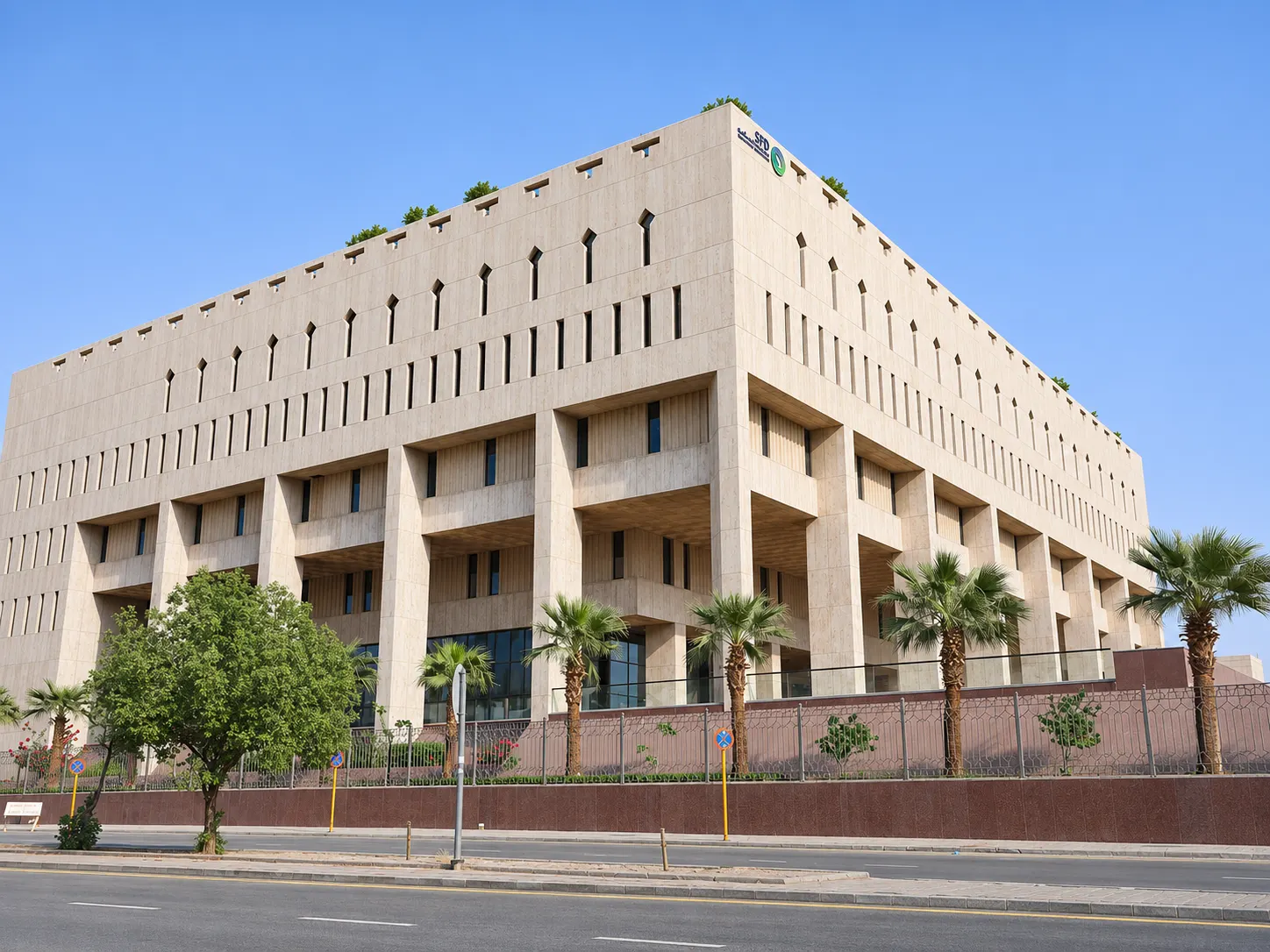
The Saudi Fund for Development has signed six concessional loan agreements with Syria worth more than $403 million, for power, water, health, housing, civil defence and public finance projects.
For Syria, the fund moves on from its two grants of September 2025, for crude oil and salaries, to loans tied to named assets, from the Aleppo Thermal Power Plant to 25 civil defence centres. In The Edge’s reading, the mix leans towards public services spread across many governorates rather than one large works project: the two largest loans with exact amounts, for civil defence and for hospitals, take more than half of the amounts the agreements itemise.
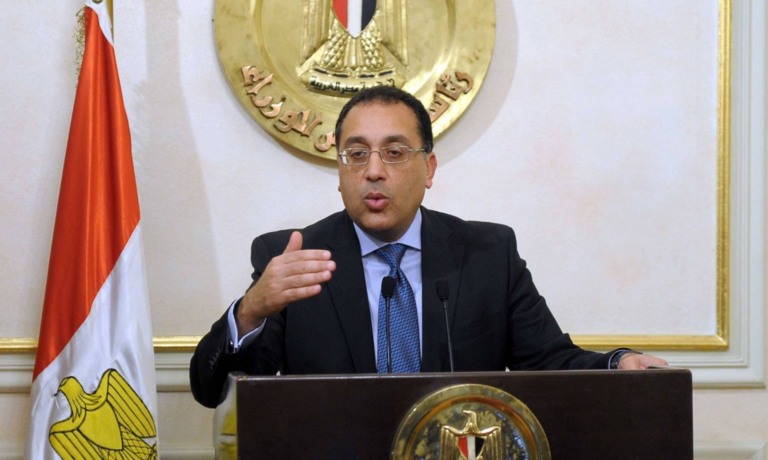
The agreements were signed by Sultan Al-Marshad, the fund’s Chief Executive Officer, and Mohammed Yisr Barnieh, Syria’s Minister of Finance. His Royal Highness Prince Mohammed bin Salman bin Abdulaziz Al Saud, Crown Prince and Prime Minister, and President Ahmed Al-Sharaa of the Syrian Arab Republic attended the signing.
The Saudi Press Agency said the financing implements directives of the Custodian of the Two Holy Mosques King Salman bin Abdulaziz Al Saud and of the Crown Prince. The signing came during the Syrian President’s visit to Riyadh on 4 November, when the two sides also signed memorandums of understanding on industrial and agricultural cooperation and on environmental protection.
Civil defence and health take the largest itemised loans
Five loans carry exact amounts, totalling $385 million. The sixth, for the digital transformation and institutional development of the Ministry of Finance, is worth more than $18 million. That brings the package above $403 million.
The civil defence loan is the largest of the five with exact amounts, at $105 million, or 27.3% of the itemised amounts. It will build, rehabilitate and equip 25 civil defence centres across several governorates, with emergency response, disaster management and debris removal named among its aims.
Hospitals and health centres follow with $100 million, a 26% share, for priority facilities including strategic hospitals. The release says the work should widen access to care and ease pressure on existing hospitals.
The $90 million for the Aleppo Thermal Power Plant will rehabilitate its generating units, restore the plant’s power generation capacity and provide stable electricity to residents and public facilities. Together with the $30 million water metering loan, the utility projects take 31.2% of the itemised amounts.
The six loan agreements (in $ millions)
| Project | Amount | People |
|---|---|---|
| Civil defence, 25 centres | 105 | Over 7m |
| Hospitals and health centres | 100 | Not given |
| Aleppo Thermal Power Plant | 90 | Est. 5m |
| Housing, up to 10,000 units | 60 | Not given |
| Smart water meters, 300,000 | 30 | Est. 1.5m |
| Ministry of Finance digital system | Over 18 | Not given |
| Total | Over 403 |
People are the beneficiary numbers the release gives for each project; the same people may benefit from more than one project, so they are not added together.
Loan allocations show the scale of the projects
The water loan works out at $100 for each of the 300,000 smart meters, on the full loan for supplying and installing them. The release puts the beneficiaries at an estimated 1.5 million people across several governorates, and says the upgrade should improve the quality of the service.
The civil defence loan averages $4.2 million per centre. Spread across the more than 7 million people the release says those centres will serve, the loan comes to less than $15 a person.
The housing loan covers up to 10,000 damaged homes in several areas. Dividing the loan by the maximum number of homes gives at least $6,000 in financing per home, and the release ties the work to social stability.
At Aleppo, the power loan comes to $18 for each of the estimated 5 million people the release says will benefit. The plant’s restored output is meant to support economic and industrial activity and the stability of the national grid.
Across the six agreements the average loan exceeds $67 million. The digital project, at more than $18 million, carries the smallest stated amount and pays for an integrated system to improve the experience of beneficiaries and the efficiency and transparency of government financial services.
The release does not state interest rates, maturities, grace periods or a disbursement schedule for any of the loans. Nor does it give the generating capacity to be restored at Aleppo.
Loans follow the 2025 grants and January talks
In September 2025 the fund provided Syria with two grants, one to supply crude oil and one to cover part of government employees’ salaries for three months. The crude grant, set by a memorandum of understanding that Al-Marshad and Syria’s Minister of Energy Mohammed Al Bashir signed, covered 1,650,000 barrels to support the operations of Syrian refineries.
On 6 January 2026 Al-Marshad met Syria’s ministers of finance, health and education in Damascus to discuss development cooperation. Health and finance now carry loans in the package; education has no project among the six.
Since its founding in 1974, the fund has worked in more than 100 developing countries. It has financed more than 800 projects and programmes with a total value above $22 billion, according to the agency’s January report.
The agency described the new projects as part of the Kingdom’s development efforts through the fund to improve living conditions, strengthen essential services and rehabilitate infrastructure in Syria.
Method: figures are from the Saudi Press Agency’s release on the Saudi Fund for Development’s six loan agreements with Syria’s Ministry of Finance, dated 5 November 2026, with the occasion from its release of 4 November 2026 and earlier figures from its releases of 11 September 2025 and 6 January 2026; shares, per-unit loan amounts, averages and sums not attributed to a source are The Edge’s calculations.
Sources: Saudi Press Agency, The Edge.