Egypt’s New Budget Takes Effect With Higher Revenues, a Wage Rise and a Heavy Interest Bill
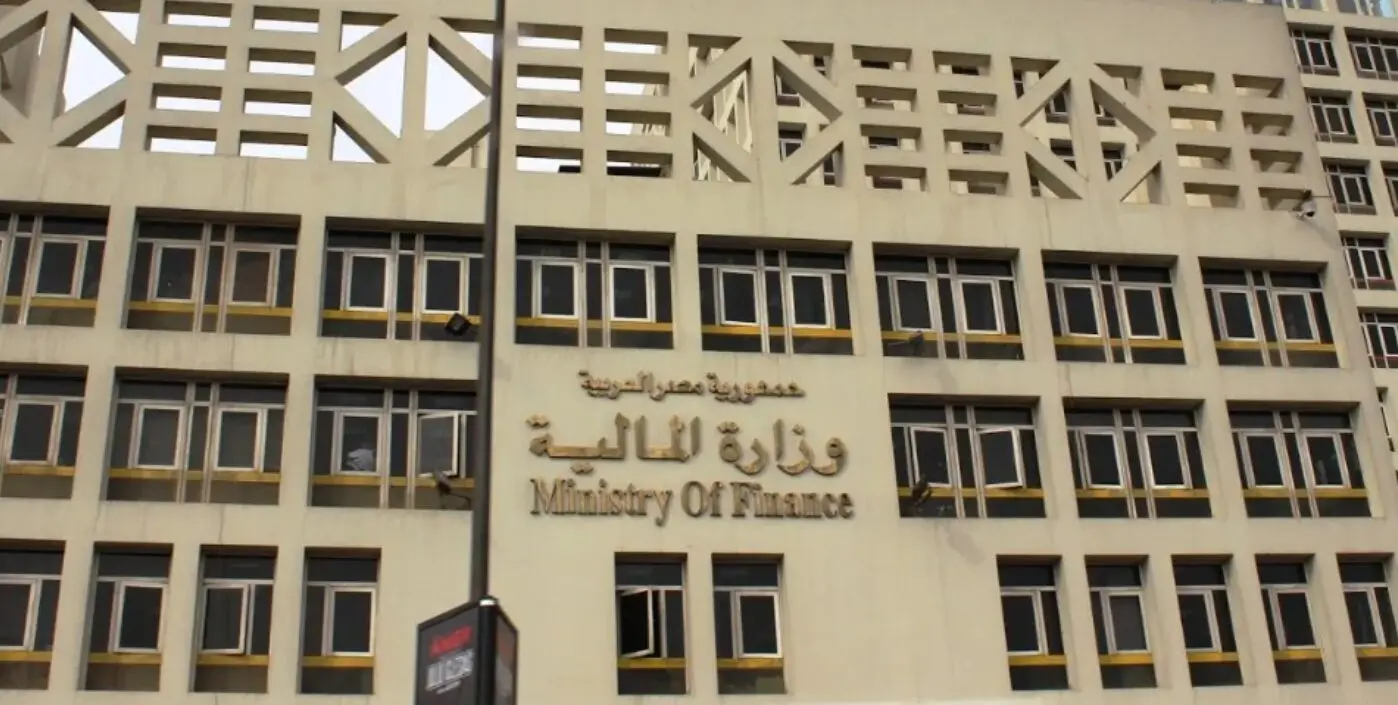
Egypt’s state budget for fiscal year 2026/27 came into force on 1 July, targeting total revenues of about 4.1 trillion Egyptian pounds, a rise of roughly 32 percent, alongside total spending of about 5.2 trillion pounds and a public-sector wage package worth more than 100 billion pounds that takes effect this month. Parliament gave final approval on 23 June, together with the Economic and Social Development Plan.
On the headline targets, the government is aiming for a budget deficit of 4.9 percent of gross domestic product by June 2027, a primary surplus of about 1.2 trillion pounds, close to 5 percent of GDP, real growth of 5.4 percent, and a fall in the debt-to-GDP ratio to about 78 percent by the end of the fiscal year. Revenues are projected to cover roughly 79 percent of spending, on our calculation from the 4.1 trillion pound revenue and 5.2 trillion pound expenditure figures, leaving an overall financing gap of about 1.1 trillion pounds for the year.
Reading the targets together allows the underlying size of the economy to be inferred. A primary surplus of about 1.2 trillion pounds equal to roughly 5 percent of GDP implies nominal GDP of around 24 trillion pounds for the year, our calculation, and a deficit of 4.9 percent of that base is consistent with the roughly 1.1 trillion pound financing gap. On the same 24 trillion pound base, revenues of 4.1 trillion pounds are equivalent to about 17 percent of GDP and spending of 5.2 trillion pounds to about 22 percent of GDP, our calculations, which frames just how much the state raises and spends relative to the economy.
The most revealing number is not in the headlines but implied by them. A primary surplus of about 1.2 trillion pounds sitting alongside an overall deficit of roughly 1.1 trillion pounds means the interest bill is running at approximately 2.3 trillion pounds, our calculation as the difference between the primary and overall balances. That is close to 45 percent of total spending and about 9.6 percent of GDP, our calculations, and it is the single largest call on the budget, larger than wages and larger than subsidies. It is also consistent with the interest cost of about 1.5 trillion pounds recorded in just the first seven months of the previous fiscal year, which annualises to a similar range. This is the core tension of the budget: the state is running a genuine primary surplus, meaning it raises more than it spends before interest, yet debt service still swallows nearly half of outlays.
Against that backdrop the social measures are sizeable. The wage package raises the government pay bill to about 821 billion pounds, an increase of roughly 21 percent, which is about 15.8 percent of total spending on our calculation. It lifts the minimum monthly income for public employees to 8,000 pounds, or 96,000 pounds a year, and combines a 12 to 15 percent basic increment with a standard monthly incentive plus specific allowances for teaching and health staff, all disbursed from July salaries. Subsidies and social protection are allocated about 832 billion pounds, up around 12 percent and about 16 percent of spending, including 175 billion pounds for food subsidies, 55 billion pounds for the Takaful and Karama cash-transfer programmes and about 120 billion pounds for energy and inter-sectoral support. Taken together, wages and social support absorb roughly 1.65 trillion pounds, or close to a third of all spending, our calculation, which is the counterweight the government is placing against the interest burden.
The revenue side has to do the heavy lifting. Lifting revenues by 32 percent implies an increase of about 1 trillion pounds over the prior year, from roughly 3.1 trillion pounds, our calculation from the stated growth rate. Delivering that depends on tax administration, the pace of nominal growth as inflation eases, and non-tax receipts including asset sales, and it is what makes the difference between the debt ratio falling toward the 78 percent target or stalling.
The wage measures also need to be read against inflation to gauge their real effect. Raising the minimum public income to 8,000 pounds a month and applying increments of 12 to 15 percent plus fixed monthly incentives lifts nominal pay, but the gain in purchasing power depends on how fast prices rise over the year. With the increments in the low-to-mid teens, the package is designed to keep public salaries broadly ahead of a disinflating price level rather than to deliver a large real jump, which fits the twin objective of protecting households while holding the consolidation line.
Why it matters: The budget tries to hold two goals together at once, fiscal consolidation and social protection, at a point where debt service alone absorbs close to half of spending and nearly a tenth of GDP. Targeting a wider primary surplus and a lower debt ratio while funding a large wage and subsidy increase signals that the government wants to shield households through high living costs without abandoning the consolidation path agreed with the International Monetary Fund. For Egypt and the wider region, the credibility of the deficit and primary-surplus targets shapes external financing costs, investor confidence and the pound. A budget that delivers a real primary surplus while bringing the debt ratio down toward 78 percent would reinforce the disinflation and reform narrative that Gulf investors and multilateral lenders are watching closely, because the faster interest costs fall as a share of spending, the more room opens for investment and services.
Outlook: Execution is the test, and the swing factor is the interest bill. Delivery will hinge on revenue mobilisation, the trajectory of interest rates as inflation cools, the pace of disinflation, and continued progress on the IMF programme and asset-sale receipts. Meeting the primary-surplus and debt targets would let debt service fall as a share of spending and reinforce Egypt’s improving external position, while slippage on revenue or higher-for-longer financing costs would be the main risks.
Sources: Egyptian Ministry of Finance; State Information Service.