Egypt Faces Index Reclassification Risk as Market Accessibility Remains Under Review
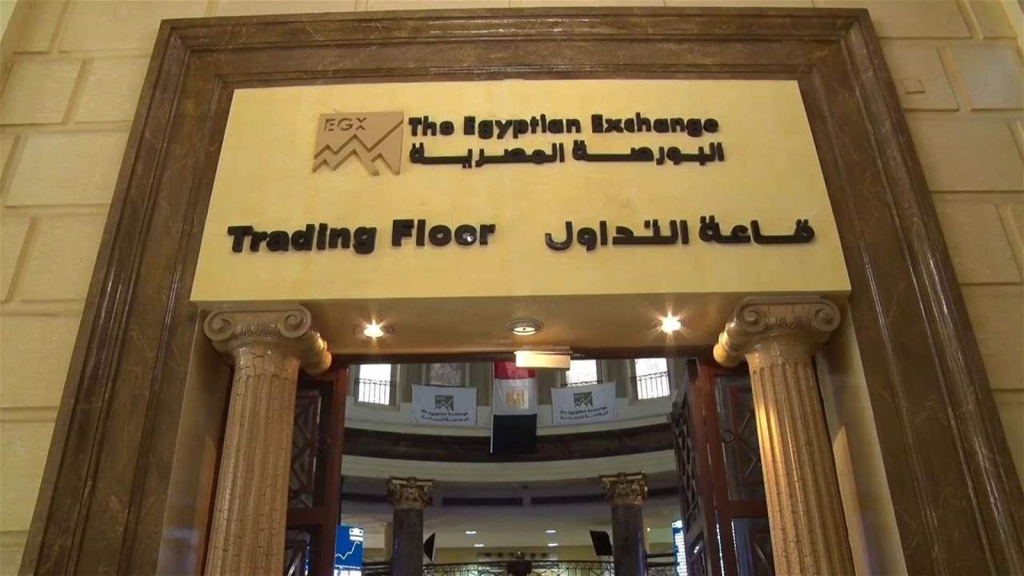
Egypt’s equity market is facing renewed classification pressure after S&P Dow Jones Indices opened a consultation on whether to reclassify Egypt from Emerging Market to Frontier Market status.
The proposal does not represent a final decision. It is part of S&P DJI’s 2026 Equity Country Classification Consultation, which seeks feedback from institutional investors and market participants before the index committee makes a final determination. If approved, the reclassification would be implemented at the September 2027 reconstitution.
The issue matters because global index classifications influence the way international investors allocate capital. Emerging Market status generally provides access to a wider pool of institutional investors and passive index flows, while Frontier Market status usually reflects smaller, less liquid or less accessible markets.
Why Egypt Is Under Review
S&P DJI stated that Egypt has recorded positive market developments since July 2024, including fewer delays in foreign investor capital repatriation and the removal of special measures that had been applied since May 2023.
However, the index provider also said that market structure and accessibility challenges remain for foreign investors. It added that Egypt’s economic performance and institutional stability remain inconsistent with S&P DJI’s Emerging Market criteria.
This is the core reason behind the proposed reclassification. The issue is not only stock market size or trading activity. It is also about whether foreign investors can access, trade, repatriate capital and manage exposure efficiently and consistently.
Market Size and Liquidity Remain Material
S&P DJI’s consultation data shows that Egypt’s full domestic market capitalization stood at USD 62.8 billion in 2025, while median daily value traded reached USD 39.1 million.
These figures show that Egypt still has a meaningful listed equity market. However, classification reviews focus not only on headline market size, but also on investability, liquidity depth, accessibility, settlement efficiency, currency convertibility and the ability of global investors to replicate index exposure.
Egypt’s current weight in S&P DJI’s Emerging benchmark is small, at around 0.12%. If reclassified to Frontier status, Egypt would no longer be included in S&P DJI Emerging benchmarks and would instead enter Frontier benchmarks with a much larger relative weight, estimated at around 3.4% to 3.6% depending on the benchmark composition and data date used.
This means the impact is mixed. Egypt could lose visibility in Emerging Market mandates, but it may become a more important country weight within Frontier Market strategies.
FTSE Russell Also Flags Classification Risk
S&P DJI is not the only index provider monitoring Egypt. FTSE Russell retained Egypt on its Watch List in March 2026 for possible reclassification from Secondary Emerging to Frontier Market status.
FTSE Russell noted that Egypt had continued to fall short of the minimum securities count requirement for retaining Secondary Emerging status. At the same time, it also acknowledged that recent government economic reforms and Egyptian Exchange initiatives had improved liquidity and resulted in an additional Egyptian security meeting index eligibility screens.
This is important because it shows a more balanced picture. Egypt is still under pressure, but the direction of market reform is being recognized. The classification risk is therefore not simply a negative judgment on the exchange; it reflects whether the improvement is strong enough and broad enough to satisfy index methodology requirements.
What Reclassification Could Mean
A downgrade from Emerging to Frontier could affect Egypt through three main channels.
First, it could reduce exposure from passive and benchmark-tracking Emerging Market funds that are required to follow index classifications.
Second, it may affect investor perception. Some global institutions use country classification as a proxy for market accessibility, currency confidence and operational risk.
Third, it could increase the importance of domestic and regional investors if global Emerging Market participation declines.
However, the impact should not be overstated. Egypt’s existing weight in S&P DJI Emerging benchmarks is already small. Reclassification would therefore be more significant as a signal than as a direct mechanical outflow from S&P-linked products alone.
Positive Reform Signals
Egypt has taken steps that are relevant to the concerns raised by index providers. The reduction in foreign exchange delays, the removal of some exceptional measures and the improvement in market liquidity are positive developments.
The Egyptian Exchange has also been working to improve listing rules, attract new companies and deepen liquidity. These efforts are important because index eligibility depends heavily on the number of investable companies, free float, trading volumes and the ability of foreign investors to transact without disruption.
For Egypt to preserve or regain stronger index standing, the focus should be on increasing the number of liquid listed companies, accelerating the state offerings program, ensuring reliable foreign currency availability, improving settlement and custody processes, and maintaining a transparent and predictable regulatory framework.
Policy Implications
The classification review creates a clear policy signal. International investors are not only assessing Egypt’s macroeconomic stabilization; they are also assessing the practical ability to enter and exit the equity market.
This means that capital market reform should be treated as part of Egypt’s broader investment strategy. Maintaining investor confidence requires more than high index levels. It requires depth, liquidity, foreign exchange flexibility, predictable repatriation and a pipeline of investable listed companies.
The government’s reported engagement with S&P DJI is therefore important. Dialogue with index providers can help clarify concerns and identify specific technical improvements needed before a final classification decision is made.
Outlook
Egypt’s stock market classification risk remains manageable, but it should be taken seriously.
The consultation period gives Egyptian authorities and market institutions time to respond, demonstrate progress and address investor concerns. The proposed implementation date of September 2027 also means any change is not immediate.
The main takeaway is that Egypt remains an important regional equity market with improving liquidity and reform momentum, but it must convert those improvements into sustained market accessibility and a broader investable equity universe.
If reforms continue, Egypt may reduce the risk of reclassification or improve its path back toward stronger Emerging Market representation over time. If progress slows, index providers may proceed with a downgrade to Frontier status, making Egypt more prominent within Frontier benchmarks but less visible within broader Emerging Market portfolios.
Source note: Analysis based on S&P Dow Jones Indices’ 2026 Equity Country Classification Consultation, FTSE Russell’s March 2026 Equity Country Classification Interim Review, and official Egyptian Exchange market reform context.