El Niño Risk Rises Sharply as WMO Warns of Global Weather Disruption
The World Meteorological Organization has warned that El Niño conditions are developing and are likely to influence global temperature and rainfall patterns over the coming months, raising the risk of heatwaves, droughts, heavy rainfall and wider economic disruption.
According to WMO’s latest El Niño and La Niña update, there is an 80% likelihood of an El Niño event during June to August 2026. The probability that El Niño conditions continue until at least November is near or above 90%. Although uncertainty remains around the timing and peak strength of the event, most forecast models suggest that it could become at least moderate and possibly strong.
The warning matters because El Niño is one of the most powerful natural drivers of global climate variability. It occurs when sea surface temperatures in the central and eastern equatorial Pacific become unusually warm, altering atmospheric circulation and shifting rainfall, storm and temperature patterns across many regions.
A Warmer World Increases the Risk
El Niño events have always influenced global weather, but their impact is now occurring against a warmer climate baseline. This means that even a natural climate cycle can produce stronger consequences when combined with human-induced global warming.
WMO has highlighted that the 2023 and 2024 El Niño was one of the five strongest on record and contributed to the record global temperatures seen in 2024. The concern now is that a new El Niño episode could add further pressure to already elevated global temperatures.
Recent observations also show that sea surface temperatures in the central-eastern equatorial Pacific were approaching El Niño thresholds by late April to mid-May. WMO noted unusually warm subsurface conditions across the tropical Pacific, with temperatures more than 6°C above average in some areas. This creates a large reservoir of heat that can support further surface warming.
A further technical point is important for interpreting the forecast. NOAA has shifted toward using the Relative Oceanic Niño Index, or RONI, which measures warming in the Niño 3.4 region relative to the broader tropical ocean background. This helps forecasters assess whether Pacific warming is strong enough to produce a coupled ocean-atmosphere El Niño signal in a world where tropical seas are already warmer.
Regional Impacts Will Differ
The effects of El Niño are not uniform. Some regions experience heavier rainfall and flooding, while others face drought, heat stress and weaker agricultural conditions.
WMO notes that El Niño is typically associated with increased rainfall in parts of southern South America, the southern United States, the Horn of Africa and central Asia. It is also often linked to drier conditions in Australia, Indonesia and parts of southern Asia.
During the boreal summer, El Niño can also affect tropical cyclone patterns. Warmer Pacific waters can fuel hurricanes in the central and eastern Pacific, while El Niño conditions often reduce hurricane formation in the Atlantic Basin.
For governments and businesses, the key issue is not only temperature. The main economic risks come from shifts in rainfall, water availability, crop yields, electricity generation and logistics.
Agriculture and Food Supply Are Exposed
Agriculture is one of the most vulnerable sectors. Changes in rainfall timing and intensity can disrupt planting seasons, reduce yields and increase volatility in food markets.
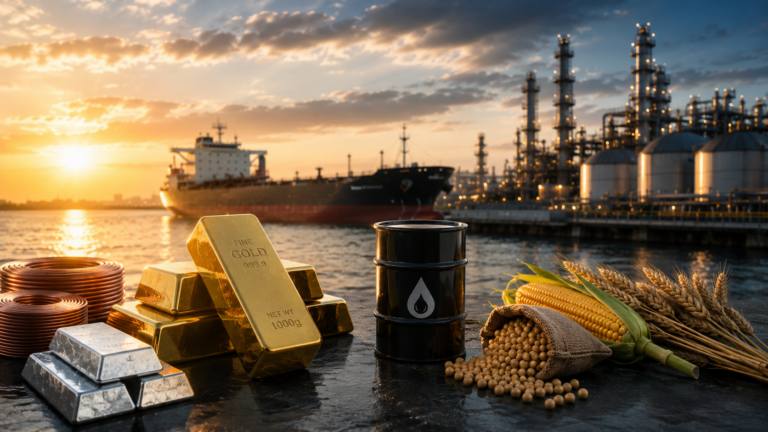
Commodity risk is likely to be concentrated in climate-sensitive crops and regions. Drier conditions in parts of Southeast Asia, South Asia and Australia could affect rice, palm oil, wheat, livestock and sugar-related supply chains. Wetter regions may face flood damage, infrastructure losses and transport disruption.
For emerging markets, the transmission can be direct. A poor harvest can raise food inflation, increase import needs and place pressure on household incomes. This makes El Niño not only a climate issue, but also a macroeconomic risk.
Past El Niño episodes have also shown that food trade policy can amplify the shock. If major producers face drought or weaker harvests, export restrictions or precautionary stockpiling can tighten global markets further. This is why early crop monitoring and food reserve planning are important parts of climate risk management.
Energy and Water Systems Face Pressure
El Niño can also affect energy systems, particularly in countries that rely heavily on hydropower. Drought can reduce reservoir levels and weaken electricity generation, while extreme rainfall can damage infrastructure and disrupt transmission networks.
When hydropower output falls, governments may need to increase reliance on thermal generation using natural gas, oil or coal. This can raise energy import costs, increase pressure on fiscal accounts and temporarily complicate emission reduction targets.
Water security is another major concern. Lower rainfall in drought-exposed regions can intensify competition between households, agriculture, industry and power generation. Governments may need to introduce earlier water management measures if seasonal forecasts point to stress in key river basins.
For energy importers, the risk is broader. Heatwaves can increase electricity demand for cooling, while lower hydropower output can increase reliance on imported fuels. This can raise current account pressure and widen inflation risks.
Logistics and Trade Routes Should Be Monitored
El Niño can also affect transport and trade infrastructure. One important watchpoint is the Panama Canal, where rainfall and reservoir levels are critical for maintaining shipping capacity.
The Panama Canal Authority has said current data do not indicate the need for transit restrictions through December 31, 2026. However, because moderate or strong El Niño events can affect rainfall and reservoir conditions with a lag, canal water levels and 2027 operating projections remain important indicators for global trade risk.
This matters because any reduction in transit capacity can increase shipping delays, raise freight costs and add pressure to global supply chains. The risk should not be overstated at this stage, but it should be monitored closely if El Niño conditions strengthen.
Markets Should Watch Food, Energy and Insurance Channels
The return of El Niño could influence financial markets through several channels.
Food prices may become more volatile if key agricultural regions face drought or flooding. Energy markets may react if hydropower output is affected or if heatwaves raise power demand. Insurance and reinsurance markets could also face higher claims if floods, wildfires or storm-related losses intensify.
For investors, the most important indicators to watch are Pacific sea surface temperatures, seasonal rainfall forecasts, crop condition reports, reservoir levels, electricity demand patterns, freight conditions and insurance loss data.
The key risk is not one isolated event. It is the combination of climate stress, higher food price volatility, water shortages, infrastructure pressure and energy demand shocks occurring at the same time.
Early Warning Is the Main Policy Response
The WMO warning is not a prediction of uniform disaster. It is a call for preparedness. Seasonal forecasts can help governments, humanitarian agencies, farmers, utilities and supply chain managers reduce the impact of climate shocks before they occur.
Policy priorities should include strengthening early warning systems, preparing water allocation plans, reviewing food reserve strategies, protecting vulnerable communities and stress-testing electricity systems for heat and hydropower risks.
For businesses, the response should include reviewing sourcing exposure, logistics routes, commodity price sensitivity, energy costs and insurance coverage. Climate-sensitive sectors should not wait for the full event to materialize before adjusting risk plans.
Outlook
The probability of El Niño returning in 2026 is now high, and the risk window is narrowing. WMO’s latest update points to a strong chance of El Niño conditions during June to August, with an even higher probability that the event persists into the final months of the year.
The main uncertainty is intensity. A moderate El Niño would still influence global climate patterns, while a strong event could increase the risk of more disruptive heat, drought and rainfall extremes.
The main takeaway is that El Niño should be treated as a global economic risk, not only a weather event. Its effects can move through food prices, water security, energy systems, insurance markets, logistics routes and public finances. Early preparation will be essential to reduce the human and economic cost of the coming climate cycle.
Source note: Analysis based on World Meteorological Organization El Niño and La Niña updates, WMO Global Seasonal Climate Updates, NOAA Climate Prediction Center ENSO guidance, FAO climate risk material, Panama Canal Authority statements and official climate preparedness guidance.