Egypt Targets Mining at 6 Percent of GDP as 119 Companies Bid for 118 Blocks Since June

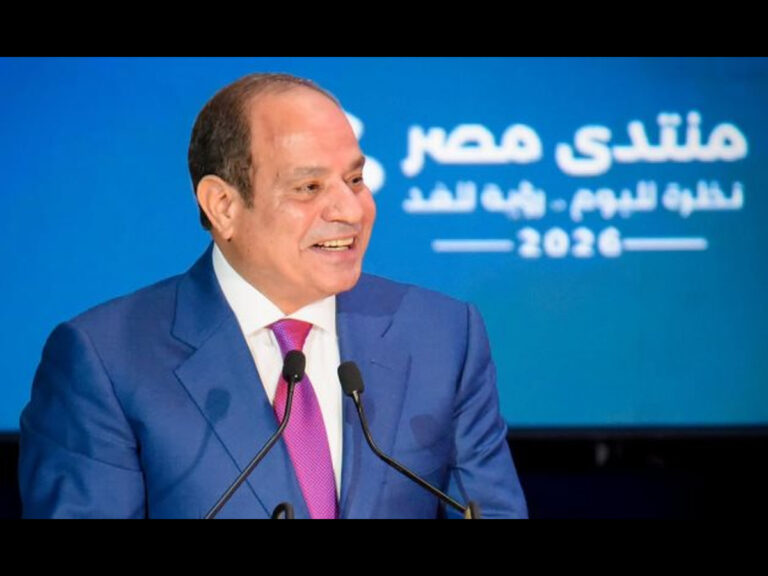
Egypt aims to raise the mining sector’s contribution to GDP to around 6 percent, compared with less than 1 percent now, Minister of Petroleum and Mineral Resources Karim Badawi said on Monday. He was speaking at a meeting with Namrata Thapar, the World Bank Group’s Global Director for Minerals and Mining, on the sidelines of Egypt Mining Forum 2026, which President Abdel Fattah El-Sisi opened in the New Administrative Capital. The World Bank expressed interest in providing initial financing, and a minerals roadmap is being prepared.
Demand for exploration blocks
Since June, 119 companies have submitted 403 bids for 118 mining blocks, ministry spokesman Mahmoud Nagy said on Monday. Blocks in gold, phosphate and kaolin are offered continuously under an open area system, and a block is awarded to the applicant if no other investor bids for it within 30 days. The bidders include Egyptian, Arab and foreign companies.
That is about 3.4 bids for each block that drew interest, and an average of 3.4 bids from each company, on our calculation. Reaching the 6 percent goal would mean a sector more than 6 times its current share of the economy, on our calculation.
Sites on show at the forum
| Site | Measure | Figure |
|---|---|---|
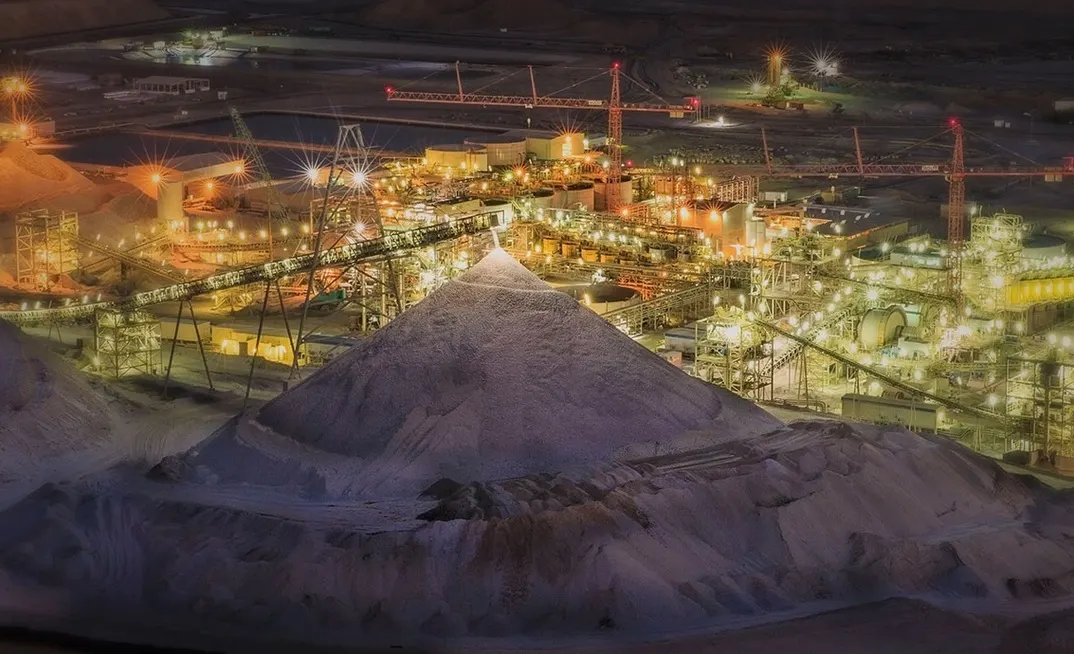
| Sukari gold mine | Rock excavated and moved | About 300,000 tons a day |
| Sukari processing plant | Production capacity | Up to 500,000 ounces of gold a year |
| Abu Tartour, first phase | Planned phosphoric acid output | 480,000 tons a year, from Q4 2028 |
| Al-Sibaiya East, Site 4 | Phosphate capacity | About 2 million tons a year |
Figures stated by site officials at the forum’s opening on 28 September 2026.
Badawi said a 2025 law turned the Mineral Resources Authority into the Mineral Resources and Mining Industries Authority, an economic authority, and that the state has begun launching a package of incentives for investors. He added that Egypt holds the world’s third largest phosphate reserves and that phosphate exports are being restricted to encourage the fertilizer industry and local manufacturing. Under a policy he announced in May, no new contracts to export raw phosphate are being concluded, while existing export contracts are honoured.
Why it matters: The bid count shows investor appetite under the open area licensing model, which offers blocks continuously rather than in periodic rounds. If exploration turns into commercial production and local processing, a sector near 6 percent of GDP could broaden Egypt’s export and foreign currency earnings alongside tourism, remittances and the Suez Canal.
Outlook: The forum closes on Tuesday. The next markers are the minerals roadmap, the World Bank’s initial financing, and the award of blocks from the current bids.
Sources: Ministry of Petroleum and Mineral Resources, State Information Service, Middle East News Agency, The Edge.