Egypt Returns to International Markets With a $500m Reopening of Existing Issues
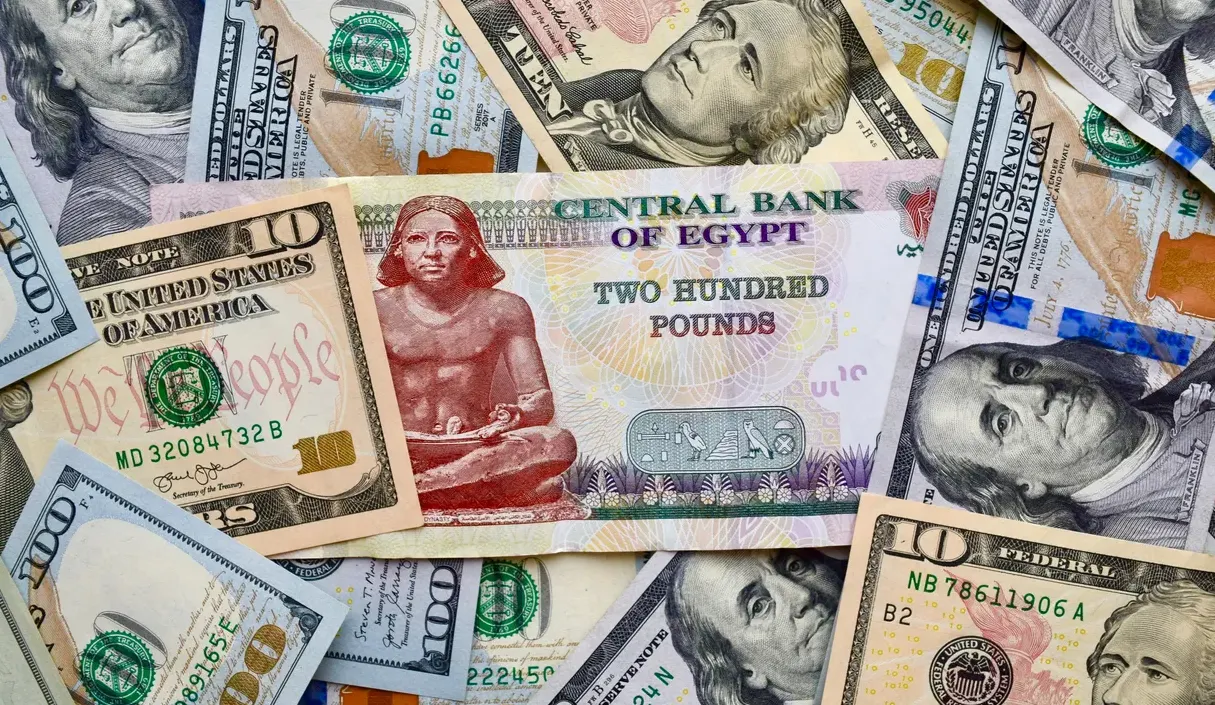
Egypt has returned to international markets, reopening existing issues for $500m at an average tenor of 5 years despite geopolitical tensions and rising uncertainty, the Ministry of Finance said.
For Egypt’s debt managers the gain is in the maturities: most of the money went into the longer of the two maturities, 2033, in line with the ministry’s stated aim of lengthening the life of its debt. In The Edge’s reading, the tenor matters more than the size here, because IMF staff wrote in September that Egypt’s financing relies heavily on short maturities.
The ministry split the amount between two maturities, a shorter one in 2030 and a longer one in 2033. The 2033 issues took $350m, or 70% of the total.
Weighting each maturity by its size gives an average tenor of 5.1 years, consistent with the ministry’s own figure. The statement gives no yield, coupon or order book, so the cost of the new money cannot be set against earlier deals.
The reopened issues
| Issues | $m | Years | Due |
|---|---|---|---|
| 3-year | 150 | 3 | 2030 |
| 6-year | 350 | 6 | 2033 |
| Total | 500 | 5.1 | n/a |
Amounts, tenors and maturity years as the ministry states them; the total’s tenor is the size-weighted average.
The ministry said the reopening shows it can reach investors and meet its financial targets by diversifying funding tools and markets and widening its investor base.
The ministry pairs new money with a pledge to cut external debt
As in previous years, the ministry said, it remains committed to reducing the size and value of the budget sector’s external debt by $1bn to $2bn a year. In the last fiscal year that debt was cut by an estimated $2.4bn, the ministry said, above the top of its range.
It also aims to repay more abroad each year than it borrows. Under that target, gross issuance such as this reopening is meant to be outweighed by repayments over the year. The budget sector’s reduction over three years was set out here on 23 October.
The ministry also looked beyond this deal. The success of recent government and private offerings reflects improving investor confidence in the Egyptian economy, it said, and it aims to keep up the pace of economic and fiscal reform.
Egypt has widened its funding channels since late 2025
The ministry listed how it has met the budget sector’s financing needs from a wider set of sources. The list starts with international sovereign sukuk in October 2025. Social bonds followed in May 2026 and sustainable Samurai bonds in June.
The Fund’s staff put figures on two of them in a September article. The May deal was a $1bn Social Eurobond, five times oversubscribed. The Samurai bond in June raised $500m.
Sovereign spreads had narrowed to below pre-war levels, the same article said, and by August Egypt’s sovereign risk premium had fallen to its lowest level since 2014. The Fund’s figures were set out here on 23 October, and the Samurai bonds on 1 July.
The reopening is half the size of May’s Social Eurobond and matches the dollar amount the Fund gave for June’s Samurai bond.
International issues named for 2026 (in $ millions)
| Issue | When | Amount |
|---|---|---|
| Social Eurobond | May | 1,000 |
| Samurai bond | June | 500 |
| Reopening | Nov | 500 |
May and June amounts as Fund staff reported them in September; the reopening as the ministry stated it, dated by its 3 November statement. The October 2025 sukuk is outside the year shown.
Longer maturities address a point the Fund raised
The Fund’s staff described Egypt’s public debt and gross financing needs as still high. They expect those needs to stay at an estimated 40% of GDP in the near term. They see them declining only gradually, to below 30% by 2030, a path also set out on 23 October.
The same article said reducing the debt and those needs will require stronger debt management, with a shift toward longer-term, market-based financing and a broader investor base. Lengthening the life of the debt and widening the investor base are two of the aims the ministry gave for this reopening.
The ministry’s indicators for the last fiscal year show the budget sector’s debt easing to an estimated 82.1% of GDP, from 82.5% in its previous reading. The cost of carrying it rose: debt service took 49.1% of total spending, against 44.6%. It reached 10.6% of GDP, from 9.8%. Those ratios were set out here on 3 November.
On the external side, the Central Bank of Egypt put net international reserves at $57.35bn at the end of September, a provisional figure.
In the fiscal year to June 2026, the capital and financial account brought net inflows of $23.2bn, and the current account ran a deficit of $22.5bn. The balance of payments ended the year in overall surplus at $2.8bn, set out here on 12 October.
What to watch: The Fund said on 29 October that a team was in Cairo for the final reviews of Egypt’s Extended Fund Facility and its Resilience and Sustainability Facility. The Fund aims to reach staff-level agreement and take the reviews to its Executive Board before the Extended Fund Facility expires on 15 December. The Fund put the final disbursement at an estimated $2.33bn. It becomes available once the Executive Board completes the reviews; the amount was set out here on 30 October.
Figures are from the Ministry of Finance of Egypt’s statement of 3 November 2026 on the reopening and its financial and economic indicators page; the Central Bank of Egypt’s releases of 7 and 12 October 2026; and IMF staff’s article of 21 September 2026 and the IMF’s press briefing of 29 October 2026. Averages, shares and ratios not attributed to a source are The Edge’s calculations.
Sources: Ministry of Finance of Egypt, Central Bank of Egypt, IMF, The Edge.