GCC Industrial Investment Reaches 426 Billion Dollars Across Nearly 22,000 Factories
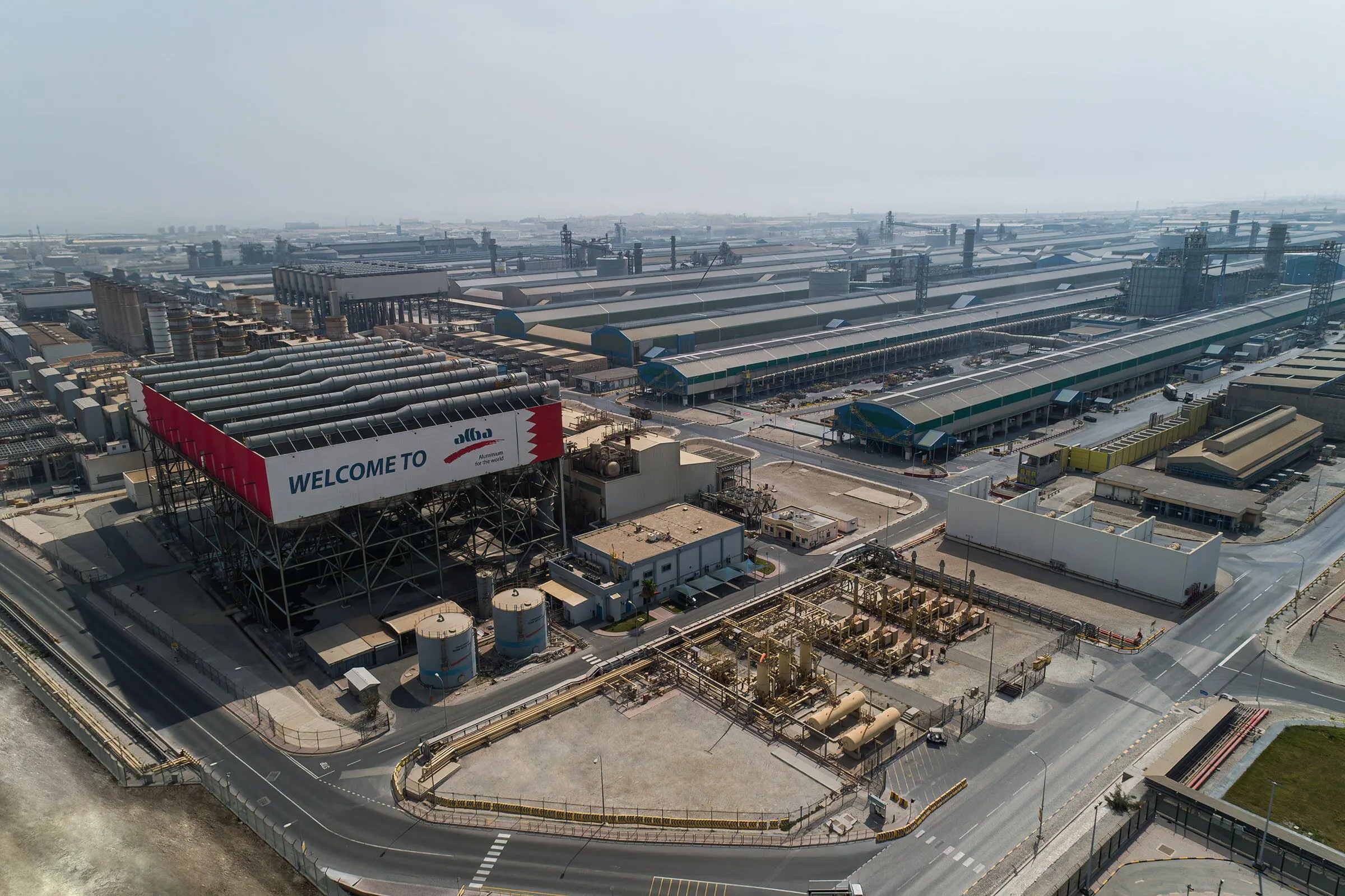
Industrial investment across the 6 Gulf Cooperation Council states stands at 426 billion dollars, spread over nearly 22,000 factories that employ more than 1.7 million people, according to the latest data from the GCC Statistical Centre (GCC-Stat), current to July 2026. Manufacturing contributed 13.0 percent of the bloc’s gross domestic product in 2025, and industrial products accounted for 69 percent of GCC exports.
Key industries hold 40 percent of the investment
A group of key industries that includes plastics, refined petroleum products, aluminium, gaseous fuels, and iron and steel holds 40 percent of all industrial investment, with the remainder spread across the rest of the industrial base. The centre pointed to differences between member states in the scale of industrial activity, in both investment and factory numbers; the figures were carried without a member by member split.
GCC Industrial Base in Figures
| Indicator | Value |
|---|---|
| Industrial investment | $426 bn |
| Factories | nearly 22,000 |
| Industrial employment | more than 1.7 million |
| Manufacturing share of GDP, 2025 | 13.0% |
| Share of investment in key industries | 40% |
| Industrial products share of exports | 69% |
| China’s share of imports | 20% |
Investment, factory and employment counts are the latest available as of July 2026; the export and import shares were published without a reference year. Values as published by the centre, which rounds them.
Manufacturing is the largest named activity after oil and gas
In the national accounts, manufacturing is the largest named activity after oil and gas extraction. The quarterly breakdown from GCC-Stat for the third quarter of 2025, as reported in May 2026, put nominal GDP at 595.8 billion dollars, 2.2 percent above the 583.0 billion of a year earlier, a gain of 12.8 billion dollars on our calculation. Real GDP grew 5.2 percent to 474.4 billion dollars, and 1.6 percent on the previous quarter. Manufacturing took 12.4 percent of nominal output, against 22.0 percent for oil and gas extraction.
On our calculation, manufacturing was 1.28 times the size of wholesale and retail trade in that quarter, a lead of 2.7 percentage points, 1.48 times the size of construction, and equal to 56.4 percent of oil and gas extraction. It also made up 15.9 percent of the non-oil economy, which accounted for 78 percent of nominal GDP. In dollar terms the sector generated 73.9 billion dollars of value in the quarter, against 57.8 billion for wholesale and retail trade and 50.0 billion for construction, all on our calculation. Together those 3 activities made up 30.5 percent of nominal GDP.
In constant prices the oil sector carries more weight, 29.3 percent of real GDP against 22 percent of nominal output, so the non-oil share of 70.7 percent in real terms sits 7.3 points under its nominal share on our calculation.
Manufacturing Leads the Non-Oil Activities, Q3 2025
| Activity | Share of nominal GDP |
|---|---|
| Oil and gas extraction | 22.0% |
| Manufacturing | 12.4% |
| Wholesale and retail trade | 9.7% |
| Construction | 8.4% |
| Public administration and defence | 7.5% |
| Financial and insurance activities | 7.0% |
| Real estate activities | 5.8% |
| Other activities | 27.3% |
Third quarter of 2025, current prices. Shares as published by the centre; they sum to 100.1 percent because of rounding.
Industrial goods make up 69 percent of exports
Industrial products account for 69 percent of GCC exports. The key exports named alongside that share are petroleum gases and hydrocarbons, petroleum oils, motor vehicles, organic compounds, aluminium, ships and boats, and electrical machinery and equipment. The reference year for the share was not given.
On imports, China is the largest single source, with 20 percent of the GCC total and the rest drawn from a diverse range of markets. The main imported goods are equipment and machinery, motor vehicles, pharmaceutical products, iron and steel, and plastics.
Why it matters: For the 6 GCC economies, 426 billion dollars of industrial investment across nearly 22,000 factories, employing more than 1.7 million people, shows the scale of the bloc’s industrial capacity. That base spans hydrocarbon-linked industries, among them refined petroleum products and gaseous fuels in the group of key industries, alongside aluminium, plastics, and iron and steel, products that also feature on the bloc’s export and import lists. Beyond oil and gas extraction, manufacturing is the largest named activity in the national accounts: 12.4 percent of nominal GDP in the third quarter of 2025 and, on our calculation, 15.9 percent of the non-oil economy, which made up 78 percent of nominal GDP.
Outlook: The centre presents the figures as opening wider room for industrial integration among member states, for localising value chains and for raising the competitiveness of Gulf products in global markets. Its next quarterly national accounts will update manufacturing’s share of GDP from the 12.4 percent of the third quarter of 2025, and a member by member breakdown of the investment and factory totals would show where the nearly 22,000 plants are concentrated.
Sources: GCC-Stat, BNA, WAM, ONA, The Edge.