Germany and France Business Climate Edge Up in June, but Manufacturing, Jobs and Consumer Signals Remain Soft
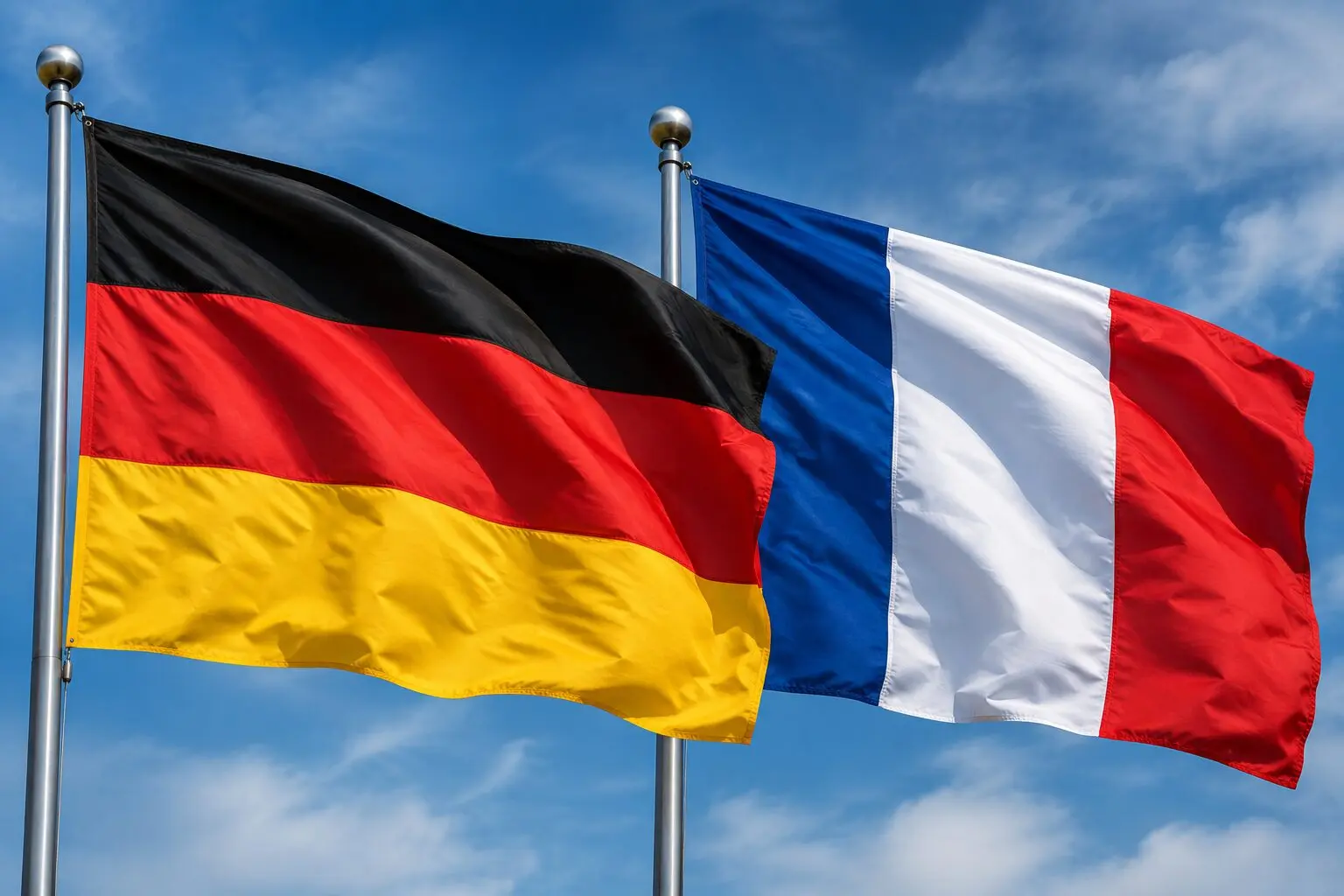
Business sentiment in the euro area’s two largest economies improved slightly in June, but the gains remained modest and the underlying indicators continued to point to an uneven recovery. Fresh survey data from Germany’s ifo Institute and France’s INSEE showed firmer headline confidence, while manufacturing, employment and household demand signals stayed soft.
In Germany, the ifo Business Climate index rose to 85.6 in June from 85.0 in May, marking a second consecutive monthly increase after April’s weakness. The current assessment component improved to 87.0, while expectations edged up to 84.1. This suggests German firms see somewhat less uncertainty, although confidence remains subdued by historical standards and the recovery signal is still tentative.
Germany’s latest household signal also remains cautious. The NIM Consumer Climate powered by GfK indicator for July rose slightly to minus 29.2 from a revised minus 29.7 in June. The improvement points to stabilisation rather than a meaningful rebound, with willingness to buy still weak and saving intentions elevated.
France: a softer picture beneath the headline
In France, INSEE’s composite business climate ticked up to 94.0 in June from 93.3 in May, but it remained below its long run average of 100. Beneath the headline, the manufacturing climate slipped to 100 from 102, the services reading held steady at 93, and the employment climate fell to 89, its weakest level since June 2013 excluding the health crisis period. The marginal headline improvement therefore masks a softer industrial backdrop and a deteriorating jobs outlook, more consistent with a fragile stabilisation than a broad based recovery.
Why it matters
The euro area is a major trade, investment and tourism partner for MENA economies, so confidence signals from Germany and France offer an early read on European demand conditions that matter for regional exporters, services activity, capital flows and the wider global growth outlook. The split signal is important: headline business confidence is improving, but manufacturing remains uneven, employment indicators are weakening, and German consumer sentiment is still deeply negative. That points to a tentative and uneven recovery rather than a decisive turn, and keeps the spotlight on the European Central Bank’s policy path and on whether household demand and industrial activity can strengthen in the second half of the year.
Outlook
Attention now turns to euro area flash activity and inflation data, and the next signals from the European Central Bank. A sustained improvement in business and consumer sentiment, supported by steadier manufacturing and a stabilising labour market, would strengthen the case for a firmer second half, while renewed weakness would underline the fragility of the recovery and limit confidence in a stronger European demand cycle.
Sources: ifo Institute (Germany); INSEE (France); NIM Consumer Climate powered by GfK.