Kuwait Formalizes KIPIC Dissolution and Merger into KNPC
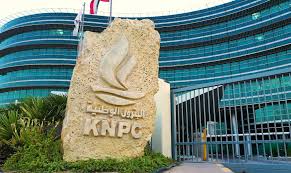
Kuwait has taken a decisive step in restructuring its downstream oil sector, after the official gazette Kuwait Al Youm reportedly published the Supreme Petroleum Council’s decision to dissolve Kuwait Integrated Petroleum Industries Company, known as KIPIC, and merge it into Kuwait National Petroleum Company, KNPC, by absorption.
The decision marks a significant institutional consolidation within Kuwait Petroleum Corporation’s downstream system. Under the reported merger structure, KNPC will legally replace KIPIC in its rights and obligations and assume all effects resulting from the merger.
The move brings KIPIC’s Al Zour related assets and operations under KNPC, the national company historically responsible for Kuwait’s refining, gas processing and domestic petroleum products.
Key Provisions of the Decision
According to the reported decision, the Extraordinary General Assembly of KIPIC approved the merger of KIPIC into KNPC by absorption.
The decision authorizes the Minister of Oil, in his capacity as Chairman of the Board of Directors of Kuwait Petroleum Corporation, to determine the effective date of the merger and manage its consequences. These consequences include the complete termination of KIPIC’s legal personality, with authority to delegate such powers to others.
The decision also approved an increase in KNPC’s capital by an amount equivalent to the book value of KIPIC’s assets as of 31 March 2026. As reported, this would raise KNPC’s capital to approximately KD 2.632 billion.
Why the Merger Matters
The merger is more than a legal restructuring. It represents a consolidation of Kuwait’s downstream operating structure at a time when refining, petrochemicals and LNG infrastructure are central to the country’s energy strategy.
KIPIC was established in 2016 as a subsidiary of Kuwait Petroleum Corporation to manage integrated refining, petrochemicals and liquefied natural gas import operations at the Al Zour complex. Al Zour is one of Kuwait’s most important strategic energy assets, with a refinery processing capacity of 615,000 barrels per day.
Bringing these assets under KNPC creates a larger and more integrated downstream operator. KNPC already manages Kuwait’s core refining and gas processing system. Absorbing KIPIC should simplify governance, reduce overlapping corporate structures and strengthen operational coordination across refining, LNG import facilities and product exports.
Strategic Impact on Kuwait’s Oil Sector
The decision comes as Kuwait continues to prioritize efficiency and integration across its oil sector. A unified downstream structure can support clearer capital allocation, more consistent project execution and better coordination between existing refineries and newer Al Zour facilities.
For Kuwait Petroleum Corporation, the merger may also improve governance by reducing duplication between two subsidiaries operating in the same value chain. Instead of maintaining separate downstream entities with linked operations, KNPC becomes the primary vehicle for refining and related downstream activity.
This matters because Kuwait’s downstream strategy is increasingly tied to value addition. Refining capacity, low sulfur products, fuel oil exports, petrochemical integration and LNG import infrastructure all play a role in strengthening Kuwait’s energy position beyond crude oil production alone.
Al Zour’s Role
Al Zour remains central to the merger’s importance. The complex was developed as one of Kuwait’s largest industrial energy projects and includes refining capacity, export facilities and LNG import infrastructure. Its integration into KNPC strengthens the scale of the company’s operating base.
According to KNPC, Al Zour Refinery processes 615,000 barrels per day and helps raise Kuwait’s combined refining capacity, including Mina Abdullah and Mina Al Ahmadi, to 1.415 million barrels per day.
This gives KNPC a broader portfolio across Kuwait’s downstream system and reinforces its role in supplying both domestic energy needs and international markets.
Capital and Balance Sheet Implications
The reported capital increase is also important. Raising KNPC’s capital to approximately KD 2.632 billion reflects the transfer of KIPIC’s asset base into the surviving company.
From a corporate structure perspective, this is consistent with a merger by absorption. KNPC receives the assets and obligations of KIPIC, while KIPIC’s legal personality is terminated once the merger becomes effective.
For Kuwait’s oil sector, the balance sheet impact should be viewed as a reorganization within the Kuwait Petroleum Corporation group rather than a sale or privatization. The strategic objective appears to be consolidation, not ownership change.
Implementation and Next Steps
While the legal framework has reportedly been approved, the operational merger will depend on the effective date set by the Minister of Oil and the subsequent administrative steps.
Key areas to monitor include systems integration, contract transfer, workforce arrangements, reporting lines, project governance, procurement processes and the treatment of existing KIPIC obligations.
If managed effectively, the merger could strengthen KNPC’s ability to operate as Kuwait’s unified downstream champion. If implementation is delayed or fragmented, the benefits of consolidation may take longer to appear.
Key Takeaway
Kuwait’s decision to dissolve KIPIC and merge it into KNPC marks a major step in the restructuring of the country’s downstream oil sector.
The merger places Al Zour’s refining, LNG and related industrial assets within KNPC, creating a larger and more integrated operator. It also simplifies the corporate structure under Kuwait Petroleum Corporation and strengthens KNPC’s role in managing Kuwait’s downstream energy system.
The strategic message is clear: Kuwait is moving toward greater integration, operational efficiency and centralized management of key downstream assets. The success of the merger will depend on how smoothly the legal decision is translated into operational execution.
Source note: Data used in this article is based on Kuwait Times reporting citing Kuwait Al Youm official gazette, with operational background cross checked against KIPIC and KNPC official company information.