Kuwait’s KIA Launches a US$4.25 Billion Loan for the Finance Ministry
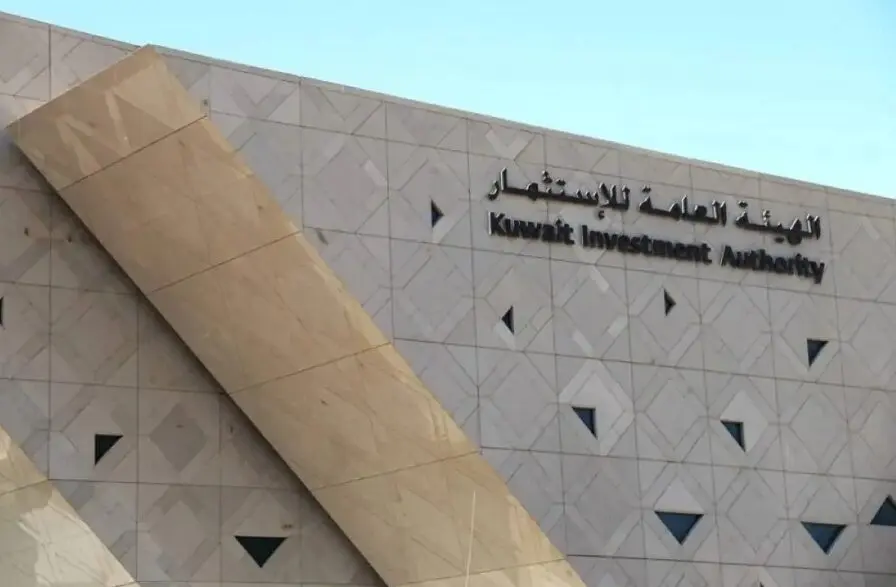
The Kuwait Investment Authority, acting on behalf of the Ministry of Finance, has launched a US$4.25 billion syndicated term loan, marking a major early test of Kuwait’s revived public-borrowing framework after years of limited sovereign market activity.
The three-year facility has been opened to general syndication and includes two one-year extension options at lenders’ discretion, with commitments due by 16 July. Mizuho Bank is acting as coordinator, while Mizuho, HSBC, Standard Chartered and Sumitomo Mitsui Banking Corporation are mandated lead arrangers and bookrunners. The proceeds are expected to be used for general financing purposes.
The transaction follows Kuwait’s financing and liquidity law of 2025, which set a public-debt ceiling of 30 billion dinars, about US$96.9 billion, and allows borrowing in major convertible foreign currencies. The Ministry of Finance authorised the KIA to conduct external loan operations on behalf of the state, while the Central Bank of Kuwait was authorised to handle domestic borrowing.
The size is meaningful but still conservative against the new ceiling. At about US$4.25 billion, the loan is equivalent to roughly 1.31 billion dinars, or around 4.4 percent of the 30 billion dinar authorised borrowing envelope, leaving Kuwait room to build a phased funding programme without materially changing its still-low public-debt profile in the near term.
Why it matters: The loan operationalises Kuwait’s new debt-management framework and moves the country from legal authorisation to market execution. For Kuwait, it helps diversify fiscal financing beyond oil revenue and sovereign reserves while preserving flexibility between loans, bonds and sukuk. For MENA markets, it adds another high-grade sovereign borrower to the regional funding pipeline and gives banks an early benchmark for how international lenders price Kuwait risk under the new framework. The structure matters too: a syndicated loan lets Kuwait move quickly, use relationship banks and test appetite before deciding whether to follow with capital-market issuance.
Outlook: Attention now turns to final commitments, pricing and the extension terms. A strong reception would support a broader sovereign funding programme and could improve the conditions for future bond or sukuk issuance. The pace of issuance will depend on the fiscal deficit, oil revenue, project-spending needs and the government’s preferred balance between domestic and external funding.
Sources: Kuwait Ministry of Finance; Kuwait Investment Authority; LSEG.