Kuwait Completes the KIPIC and KNPC Merger in a Milestone for Its Oil Sector Overhaul
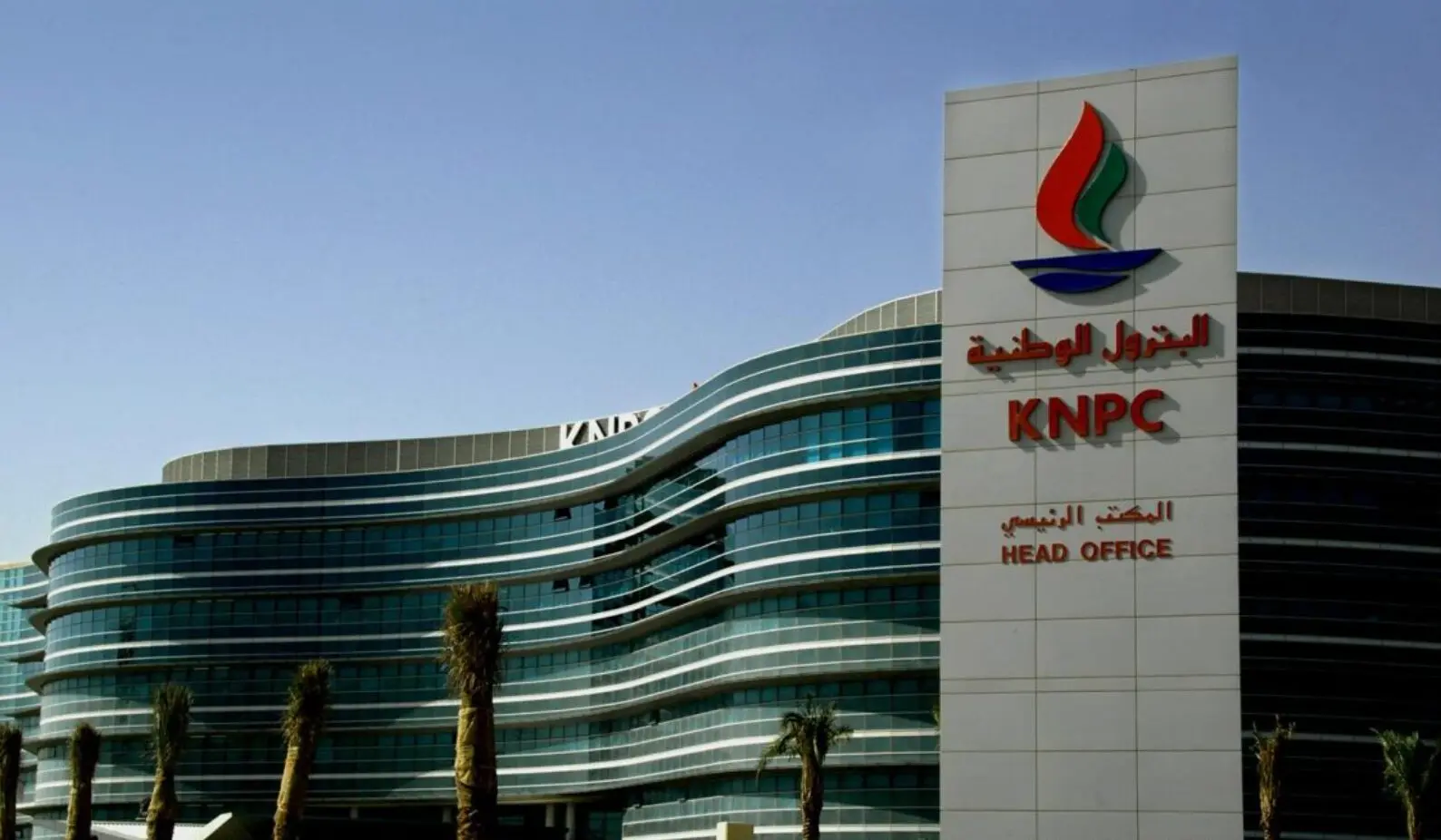
Kuwait has completed the merger of Kuwait Integrated Petroleum Industries Company into Kuwait National Petroleum Company, consolidating the country’s refining and petrochemicals under a single operator in what officials described as a strategic milestone for the overhaul of the state oil sector. Oil Minister Tareq Al-Roumi marked the completion on 1 July, calling it one of the pillars of Kuwait Petroleum Corporation’s 2040 strategy.
The combined company now oversees total refining capacity of about 1.4 million barrels a day across three plants: Mina Al-Ahmadi, Mina Abdullah and Al-Zour, the last of which is one of the largest single-site refineries in the world. Bringing the three under one operator ends a structure in which KIPIC ran Al-Zour and the associated liquefied natural gas and petrochemicals facilities separately from KNPC’s older refineries, and it is intended to remove the duplication that came with two parallel organisations.
The efficiency case was set out in concrete numbers. Sheikh Nawaf Saud Al-Nasser Al-Sabah, the vice chairman and chief executive of Kuwait Petroleum Corporation, said the restructuring of information-technology contracts under the merged entity had cut costs by about 30 million dinars, and that better allocation of the workforce would save roughly 6 million dinars a year. Converted at the dinar’s exchange rate, those figures are on the order of 98 million dollars in one-off IT savings and about 20 million dollars a year in recurring staff savings, our calculation, a tangible early return on an integration that officials framed as being about efficiency rather than headcount.
The legal scale of the transaction is visible in the enlarged company’s balance sheet. The Supreme Petroleum Council decision, published in the official gazette, raised KNPC’s capital to about 2.632 billion dinars after absorbing KIPIC’s assets at their book value, so the roughly 30 million dinars of one-off information-technology savings alone is equivalent to about 1.1 percent of the enlarged capital base, our calculation, a useful yardstick for the immediate efficiency gain against the size of the merged entity.
The integration itself was substantial. It ran for about two years from April 2024, standardised more than 2,500 procedures across the two companies, and absorbed more than 1,350 former KIPIC employees into a unified workforce that now numbers over 7,650. KNPC’s chief executive, Wadha Al-Khatib, described the process as unifying systems, contracts and operating standards rather than simply combining balance sheets, the harder part of any merger of large industrial operators.
Placed in context, the merger consolidates a downstream business that is central to Kuwait’s economy. With crude production capacity in the region of 2.4 to 2.6 million barrels a day, a domestic refining base of about 1.4 million barrels a day means Kuwait processes a large share of its own crude into higher-value fuels and petrochemicals rather than exporting it raw, our reading of the figures. Al-Zour alone, at around 615,000 barrels a day, gives the country a modern, large-scale refinery geared toward cleaner fuels and export markets, and folding it into KNPC brings that capacity into the same operational and commercial planning as the older plants.
The move is part of a wider restructuring that Kuwait Petroleum Corporation launched in 2019 to streamline its subsidiaries and sharpen the group’s focus under its 2040 strategy, which aims to raise production capacity, expand downstream and petrochemical value, and improve efficiency across the group. The KIPIC and KNPC merger is the most visible step in that programme to date, and officials tied it explicitly to the New Kuwait 2035 development vision as well.
The merger also brings Kuwait’s newest and most complex facilities under the same roof as its refineries. KIPIC had operated not only the Al-Zour refinery but also the adjacent liquefied natural gas import terminal, one of the largest in the region, and the associated petrochemicals complex, so the combined KNPC now runs refining, gas import and petrochemical production as a single integrated business. That matters for planning, because the value a barrel of crude generates depends heavily on how efficiently it is routed between fuels, feedstock and petrochemicals, and running the assets together makes that optimisation easier than coordinating across two separate companies. Within the wider Kuwait Petroleum Corporation group, which also includes the upstream Kuwait Oil Company and the international refining and marketing arm, the KNPC consolidation streamlines the downstream pillar into one operator and reduces the number of interfaces the group has to manage.
Why it matters: Consolidating refining and petrochemicals under one operator is the kind of structural efficiency measure that matters more over time than any single quarter’s oil price, because it lowers the cost base of the part of the oil sector that adds the most value to crude. For Kuwait, where oil revenue funds the large majority of the budget, squeezing duplication out of the downstream business and running Al-Zour, the older refineries and the petrochemicals arm as one integrated operation supports the goal of extracting more value from each barrel. For the wider Gulf, where several national oil companies are pursuing similar consolidation and downstream expansion, Kuwait’s merger is another example of the region moving to capture more of the refining and petrochemical margin at home rather than ceding it to buyers abroad.
Outlook: The test now is delivery of the promised savings and a smooth transition to unified operations across the three refineries and the petrochemicals and liquefied natural gas facilities. If the integration delivers the efficiency gains management has outlined and supports higher utilisation and downstream value, it will reinforce the KPC 2040 agenda, while the pace of any further restructuring across the group will show how far Kuwait wants to take the consolidation. Investors and analysts will also watch whether the leaner structure translates into higher refinery utilisation and stronger petrochemical margins, the ultimate measure of whether the merger delivers value rather than simply a tidier organisation chart.
Sources: Kuwait News Agency; Kuwait Petroleum Corporation.