Kuwait Maintains LPG Exports Through the Strait of Hormuz as Gulf Producers Adapt Shipping Routes
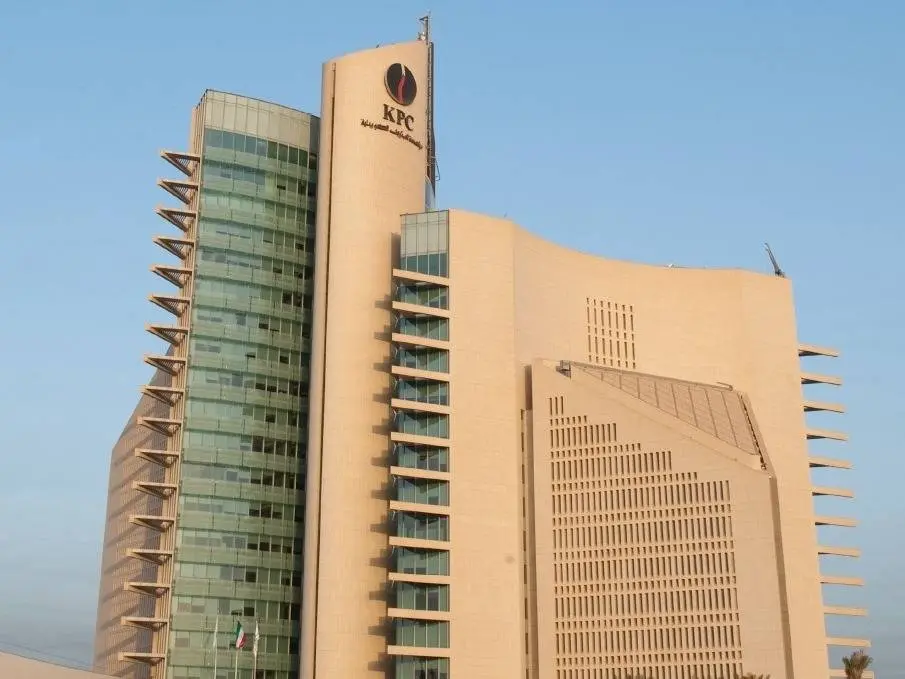
Kuwait has successfully exported a liquefied petroleum gas (LPG) cargo through the Strait of Hormuz, with a tanker operated by the shipping arm of Kuwait Petroleum Corporation (KPC) completing the transit amid continued disruptions to Gulf maritime traffic, according to ship-tracking data compiled by Bloomberg and analytics firm Kpler, reported on Thursday, 11 June 2026.
The vessel, Gas Umm Al Rowaisat, crossed the strait before transferring its cargo ship-to-ship to another vessel currently en route to the Indian port of Paradip. The tanker had switched off its tracking transponders after loading last month — a practice increasingly adopted by Gulf producers to safeguard energy shipments — before reappearing near India on Sunday.
Exports Continue Despite Regional Disruptions
The successful transit underscores Kuwait’s ability to keep energy exports flowing under challenging regional conditions. The Strait of Hormuz remains the world’s most important energy chokepoint, through which a substantial share of global seaborne crude oil and LPG is transported. Disruptions to traffic through the waterway have been a defining feature of energy markets in recent weeks, sustaining a geopolitical risk premium across the energy complex.
Market Context: Elevated and Volatile Prices
Energy prices reflected the continued tension on Thursday: Brent crude futures rose by $2.30, or 2.47 percent, to $95.40 per barrel in intraday trading, while US West Texas Intermediate gained $2.60, or 2.89 percent, to $92.63, before both benchmarks eased later in the session. The moves follow official data from the United States Energy Information Administration showing commercial crude inventories fell by 7.2 million barrels in the week ended 5 June, to 426.5 million barrels — approximately 5 percent below the five-year seasonal average — as buyers replace barrels affected by Gulf shipping disruptions.
Adaptive Logistics Across the Gulf
The ship-to-ship transfer used by the Kuwaiti cargo reflects a broader adaptation in Gulf export logistics, with producers adjusting routing, transponder practices, and cargo handling to maintain deliveries to key Asian markets. India, the destination of the current cargo, is among the world’s largest LPG importers, with demand anchored by its residential cooking-gas programme.
Outlook
Attention remains on the pace of normalisation of Hormuz transit and its effect on the regional risk premium. With Kuwaiti cargoes continuing to reach Asian buyers and US inventories tightening, the data points to functioning — if adapted — Gulf supply chains: the question for markets is no longer whether Gulf energy is moving, but at what cost and over what timeline transit returns to normal.
Sources: Bloomberg ship-tracking data and Kpler Ltd. (reported 11 June 2026); United States Energy Information Administration, Weekly Petroleum Status Report (10 June 2026).