OPEC Oil Output Jumps in June as Gulf Exports Recover Ahead of a July Supply Decision
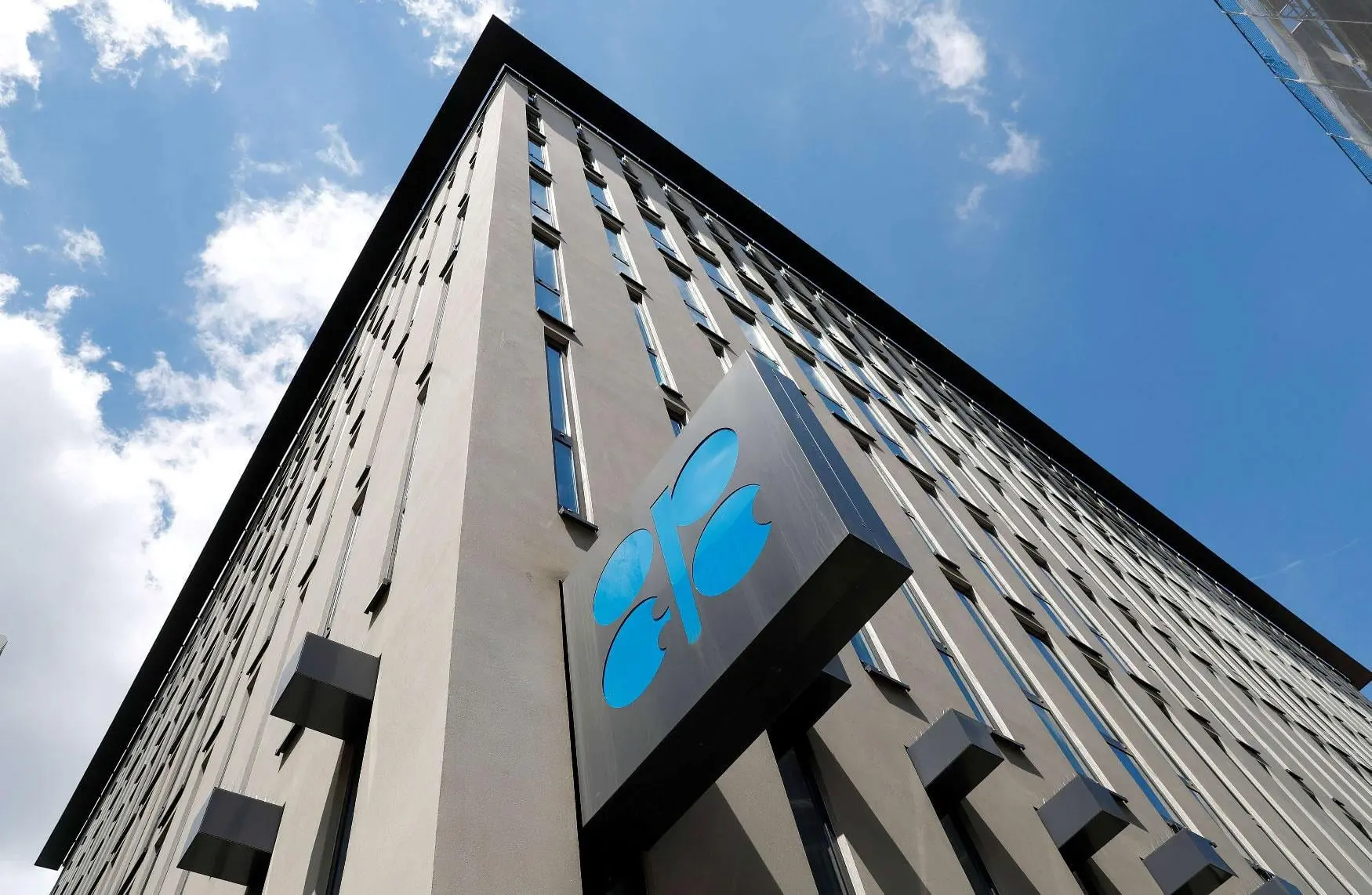
OPEC crude oil output rose sharply in June as Gulf producers restored shipments and shipping through the Strait of Hormuz returned to normal, according to a Reuters survey, setting the stage for a meeting of seven producers on 5 July to decide August supply. The rebound reflects the unwinding of a risk premium that had built up during a period of regional tension, rather than a fresh increase in productive capacity.
The scale of the recovery was large. OPEC output rose to about 19.43 million barrels a day in June, up roughly 3.3 million barrels a day from May, a monthly jump of about 20 percent, our calculation, and a rebound from what had been a multi-decade low as constrained exports came back on line. The figure covers the eleven remaining OPEC members and excludes the United Arab Emirates, which formally left the organisation on 1 May 2026, so it is an OPEC-only number rather than a wider OPEC-plus total. Even after the jump, output stayed below the group’s formal quotas, underlining that the June move was mostly a recovery of barrels that had been stranded rather than new supply added to the market.
The producers meeting on 5 July are the seven that manage voluntary output adjustments: Saudi Arabia, Russia, Iraq, Kuwait, Kazakhstan, Algeria and Oman. They are expected to approve another modest increase for August of about 188,000 barrels a day, in line with the cadence of recent months, as they continue to unwind an earlier layer of voluntary cuts. That pace is far smaller than the increments seen in 2025, and it reflects a careful approach to returning supply while prices are soft. For Kuwait, the July required-production level is about 2.644 million barrels a day, with a share of roughly 16,000 barrels a day of the monthly increase, our reading of the group’s schedule.
Prices tell the other half of the story. Brent crude traded near 71 dollars a barrel and West Texas Intermediate near 68 dollars in early July, around their lowest since late February, and were heading for a fourth straight weekly loss as the geopolitical risk premium faded and Hormuz shipping normalised. The combination of more barrels reaching the market and a receding risk premium has pulled prices well down from their second-quarter highs, a shift with direct consequences for the budgets of Gulf exporters and for the import bills of energy-buying economies in the wider region.
The price move has to be read against where oil started the quarter. Brent had traded well above 80 dollars during the period of peak regional tension, so the slide toward 71 dollars represents a fall of more than a tenth from those highs, our reading of the range, as the premium that had inflated prices drained away. The level matters because it sits close to or below the fiscal breakeven price that several Gulf producers need to balance their budgets, which is why the decision to keep adding barrels even as prices fall is a notable strategic signal: the group is prioritising the recovery of market share and the normalisation of output over defending a price. The departure of the United Arab Emirates from OPEC on 1 May adds a further layer, since a producer no longer bound by the group’s quotas is expected to lift output independently, adding to the supply returning to the market and complicating the remaining members’ management of the balance.
On the demand side the picture is steadier, since global consumption typically rises through the third-quarter summer months, which usually absorbs additional barrels. But with more supply returning and the risk premium gone, the market looks comfortably supplied into the second half. For an economy such as Kuwait, where oil revenue funds the large majority of the budget, the mix of higher output and lower prices is double-edged: exporting more volume partly offsets the weaker price, but a sustained move lower in crude would still pressure oil receipts and widen the fiscal gap, which keeps the pace of the group’s supply increases squarely in focus for regional budgets.
Why it matters: The June output rebound and the softer price together mark the practical end of a supply disruption, and they reset the calculus for producers and consumers alike. For the Gulf, lower oil prices ease inflation and cut import costs for energy buyers but pressure the revenue side for exporters, which is the central tension in regional budgeting. The decision by the seven producers to keep adding supply in small, steady steps, even as prices fall, signals a strategy focused on defending market share and normalising output rather than propping up prices, a choice that keeps the market well supplied and caps the near-term upside for crude.
Spare capacity is the quiet variable behind the meeting. Because the seven producers still hold output below their formal quotas even after June’s jump, the group retains a cushion of idle capacity it can return in stages, which both caps the upside for prices and gives producers room to keep normalising supply without a shock. For global balances, the return of Gulf barrels and the unwinding of the risk premium have shifted the market from tightness toward comfort, and the July decision will show how quickly the group wants to close the remaining gap between actual output and its targets.
Outlook: The 5 July meeting and its August decision are the immediate focus, followed by whether the group maintains the roughly 188,000 barrel-a-day pace or pauses if prices weaken further. With the risk premium largely unwound and Gulf exports restored, the balance of risks for prices has shifted lower, leaving demand strength and any renewed supply disruption as the main swing factors for the second half of the year.
Sources: OPEC; Reuters.