Qatar Lines Up a 221 Billion Riyal Project Pipeline After 2.9 Percent Growth in 2025
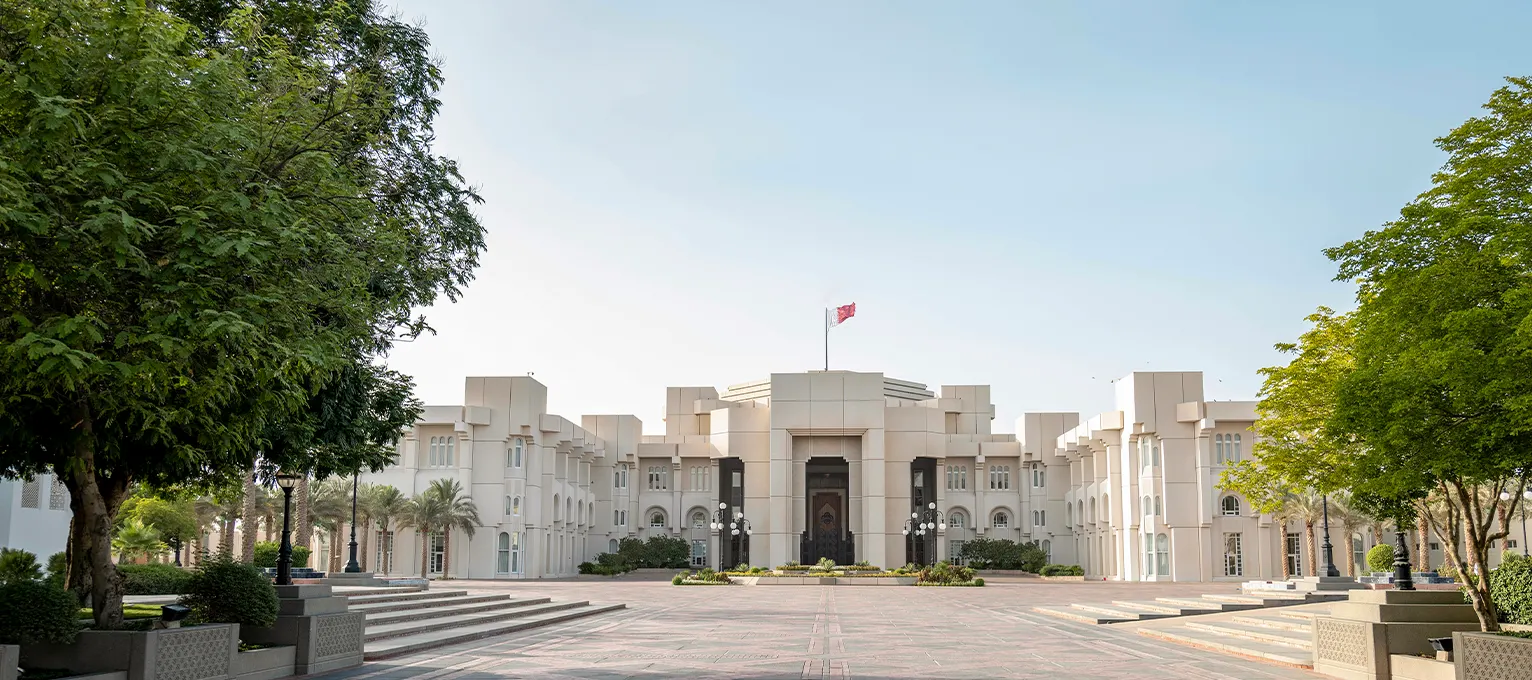
Qatar has a portfolio of projects and investment opportunities valued at approximately 221 billion riyals, or 60.7 billion dollars, over the next five years, His Highness the Amir Sheikh Tamim bin Hamad Al-Thani said on Tuesday as he opened the 55th annual session of the Shura Council. The economy grew 2.9 percent in real terms in 2025, and the non-hydrocarbon sectors now account for approximately 80 percent of real gross domestic product, the Amir said.
A pipeline worth one year of state spending
Spread evenly, the portfolio averages 44.2 billion riyals, or 12.1 billion dollars, a year on our calculation. That is 20.0 percent of the 220.8 billion riyals of expenditure in the 2026 state budget, and the five-year total is in line with the whole of this year’s budgeted spending. The comparison is one of scale only: the portfolio covers five years and includes private-sector investment, while the budget is one year of government spending, and the speech gives no annual schedule or split between public and private funding.
The speech text published by the Amiri Diwan says the portfolio includes infrastructure projects, such as public-private partnerships, alongside private-sector investment in real estate and hospitality. The Amir said the aim was to use the recovery as “a springboard to accelerate economic diversification”, and pointed to enacting legislation that strengthens the role of the private sector and enhances the attractiveness of the investment environment. He said this year’s experience had reaffirmed the soundness of the direction set out in the Third National Development Strategy.
Real estate, one of the pipeline’s named sectors, and construction are already expanding. In the second quarter of 2026, real estate activities expanded 11.0 percent on the year and construction 5.5 percent, according to the National Planning Council. Between them they added 2,616 million riyals to real non-hydrocarbon output and 2.2 of the 2.6 percentage points of non-hydrocarbon growth, on our calculation.
Non-hydrocarbon sectors keep growing
In 2025 average annual inflation was 0.5 percent, the current account was in surplus, the state kept its high sovereign credit ratings and the stock of foreign direct investment continued to grow, the Amir said.
Four activities lead the non-hydrocarbon economy. Alongside real estate and construction, financial and insurance activities grew 8.3 percent in the second quarter, adding 1,356 million riyals, and wholesale and retail trade grew 6.9 percent, adding 1,010 million riyals. The four together contributed 4,982 million riyals and 4.1 percentage points, more than the 2.6 percent total, on our calculation, so the remaining non-hydrocarbon activities were lower on the year taken together.
Qatar supplies approximately one-fifth of the world’s liquefied natural gas trade, the Amir said, and the North Field expansion is progressing according to plan to raise the country’s LNG production capacity. The Golden Pass project in the United States has also made significant progress. Beyond energy, the Amir cited Qatar’s first place regionally in the 2026 Food System Resilience Index, more than 360 new digital services and the central database project’s move into the practical integration phase.
A budget built on 55 dollar oil
The 2026 budget, approved under Law No. 26 of 2025, set expected revenues at 199.0 billion riyals, up 1.0 percent on the 2025 budget, on an average oil price assumption of 55 dollars a barrel, the Ministry of Finance said. Expenditure was set at 220.8 billion riyals, up 5.0 percent, leaving a planned deficit of 21.8 billion riyals to be financed through local and external debt instruments.
Qatar’s 2026 budget: spending up 5.0 percent
| Item, QAR bn | 2025 budget | 2026 budget | Change |
|---|---|---|---|
| Total revenue | 197.0 | 199.0 | +1.0% |
| Total expenditure | 210.2 | 220.8 | +5.0% |
| Surplus or deficit | -13.2 | -21.8 | -8.6 bn |
Approved budget figures from the Ministry of Finance. Revenue estimates assume an average oil price of $55 a barrel. The deficit change is our calculation.
The planned deficit equals 9.9 percent of budgeted spending and 11.0 percent of budgeted revenue on our calculation. Set against revenue, the pipeline’s 44.2 billion riyal annual average equals 22.2 percent of the year’s expected revenue on our calculation.
Total revenues fell 42 percent in the first half of the year and public expenditure fell 14 percent, the Amir said, without compromising essential services or development priorities. National accounts show hydrocarbon GDP 50.7 percent lower on the year in the second quarter, while non-hydrocarbon GDP grew 2.6 percent, so the rise in the non-hydrocarbon share of real GDP in the second quarter reflects both the growth outside hydrocarbons and the fall in hydrocarbon output, on our reading. The Amir cited the policies of strengthening reserves, reducing public debt, budgeting on conservative oil price assumptions and developing non-oil revenues. Qatar Central Bank’s international reserves and foreign currency liquidity continued to grow, reaching 262.3 billion riyals at the end of September.
Why it matters: The portfolio sets out five years of projects and investment opportunities for contractors, developers and investors, in total as large as one full year of state spending. Its named areas include infrastructure, real estate and hospitality, all in the non-hydrocarbon economy, where output grew 2.6 percent on the year in the second quarter. It comes with a 2026 budget built on a 55 dollar oil price and with essential services and development priorities left uncompromised in the first half, the footing for the Amir’s aim of using the recovery to accelerate diversification.
Outlook: Legislation to strengthen the role of the private sector and the attractiveness of the investment environment, which the Amir set out in his speech, will be the first test of how quickly the pipeline turns into contracts. The National Planning Council’s third-quarter accounts will show whether non-hydrocarbon growth keeps its pace, and progress on the North Field expansion will set the path for LNG capacity and revenue.
Dollar equivalents are our calculation at 3.64 riyals per dollar, the rate shown by Qatar Central Bank on 13 October 2026.
Sources: Amiri Diwan, Qatar News Agency, National Planning Council, Ministry of Finance, Qatar Central Bank, The Edge.