A Potential Super El Niño Could Reprice Markets Across Food, Energy, Metals and Insurance
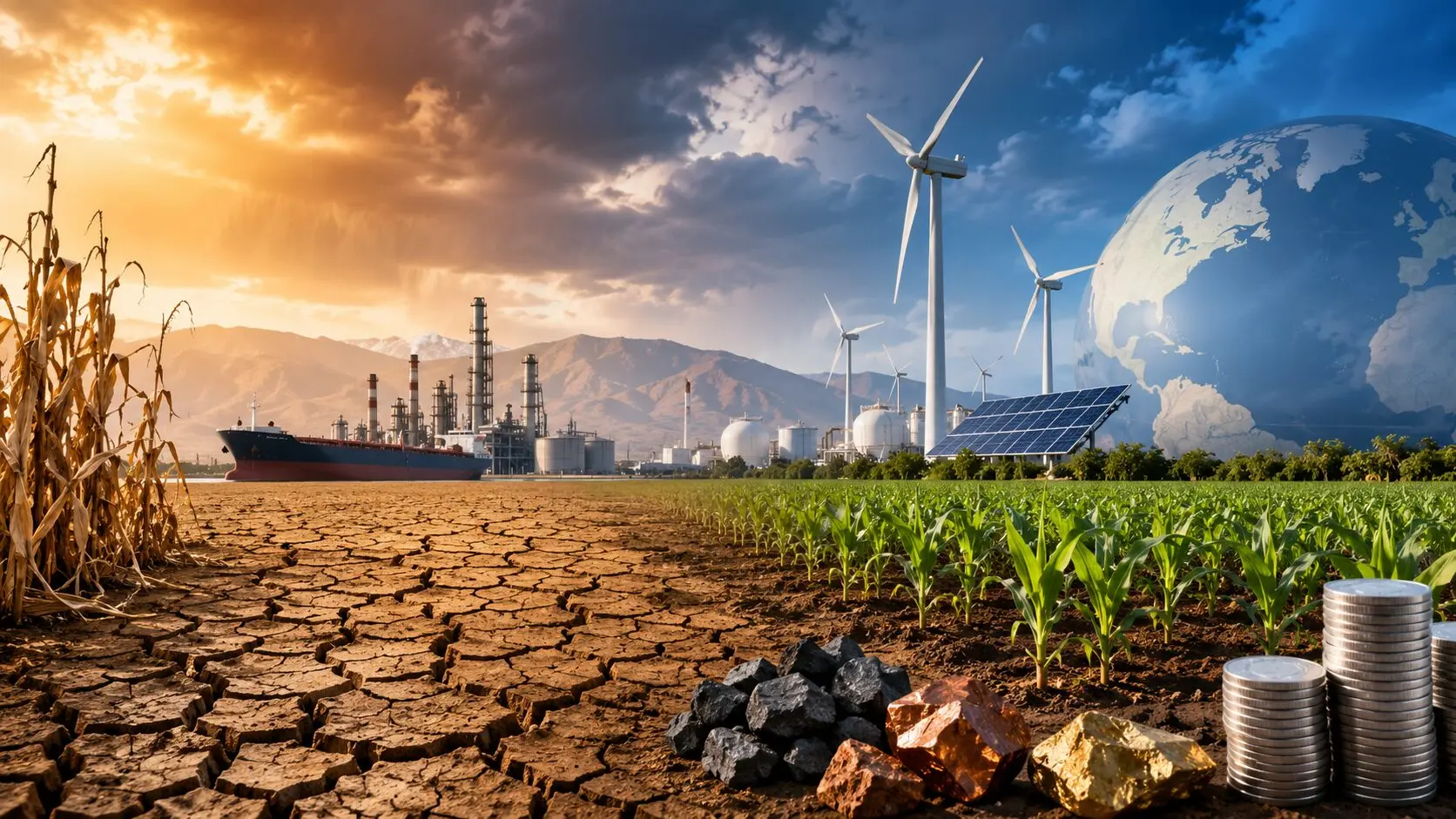
A rising probability of a very strong El Niño is pushing investors to reassess exposure across sectors from agriculture to insurance, as the weather pattern threatens crop yields, lifts power demand and risks reigniting inflation.
According to Bloomberg, citing the US Climate Prediction Center, there is about a 63 percent probability that the pattern develops into a severe event, informally known in markets as a Super El Niño, by 2027. The strength, timing and regional effects remain uncertain. El Niño is a climate pattern driven by sustained warming of surface waters in the equatorial Pacific Ocean, which can bring heavy rain to some regions and drought to others. Its effects are already appearing, from a delayed start to the monsoon in India to a temporary halt of the fishing season in Peru. The last event of comparable strength was associated with more than US$7.8 trillion in lost productivity over the following years, according to Bloomberg, citing a Dartmouth College study.
“El Niño comes at a very sensitive time,” said Ole Hansen, head of commodity strategy at Saxo Bank, noting that supply chains remain exposed after months of disruption. A stronger event could raise temperatures in parts of the world, increase electricity demand, hurt crop productivity and complicate the task facing central banks.
Agriculture and aquaculture
Crop producers are likely to bear the brunt, though the impact varies by region and commodity. In Indonesia, the world’s largest palm oil producer, hotter and drier conditions typically reduce yields. According to UBS Group, global corn and wheat output could be hurt, as could sugar production in Asia; India, the second largest sugar producer, has banned exports until the end of September, weighing on sugar makers such as Shree Renuka Sugars and Bajaj Hindusthan Sugar.
Some Latin American producers could benefit from better rainfall in Argentina and higher sugar prices, including São Martinho and Adecoagro, according to Morgan Stanley, while soybean output in the United States and southern Brazil has historically found support. Companies tied to irrigation and water management could also gain as farmers adapt to drier conditions, among them India’s VA Tech Wabag, Jain Irrigation Systems, Astral and Shakti Pumps India. Fish oil producers may be among the winners too, Berenberg’s Sebastian Bray said, with Peruvian fish oil prices at record highs benefiting makers of omega-3 algae oils such as Europe’s Corbion NV.
Fertilizers
Fertilizer companies could be among the biggest beneficiaries if weather cuts global crop supplies and supports demand for key nutrients such as nitrogen, phosphorus and potassium. Scotia Capital’s Ben Isaacson said he would favour short-cycle nitrogen names most responsive to price moves, pointing to producers such as CF Industries Holdings and Nutrien. However, drought has begun to slow potash demand, according to RBC Capital Markets’ Andrew Wong, leaving more potash-exposed names such as The Mosaic Co under pressure. Crop protection suppliers, including Corteva, could see stronger demand as farmers try to limit weather losses.
Energy
Higher temperatures could reduce heating demand in North America, a potential headwind for natural gas names such as APA Corp, EQT Corp, Range Resources Corp and EOG Resources, with Truist Securities’ Gabe Daoud describing a mild summer and warmer winter as a negative backdrop for gas demand. In Asia, hotter than usual temperatures are expected to lift air-conditioning use and strain power grids; Chinese power stocks including Guangdong Electric Power Development and Jinneng Holding Shanxi Electric Power have already rallied this year, and in India, Jefferies sees JSW Energy and Adani Energy Solutions as potential beneficiaries of higher power demand.
Mining
Heavy rain in parts of South America could disrupt transport networks and copper operations in Chile and Peru, Saxo Bank’s Hansen said, a risk for metals and manufacturing shares exposed to those supply chains, including Freeport-McMoRan and Anglo American. Power constraints could also weigh on hydro-powered aluminium smelting in regions such as China. In Indonesia, UBS estimated economic growth could slow by about 1 percent four quarters after an event, given the hit to agriculture and mining from drought, putting names such as PT Amman Mineral Internasional and PT Merdeka Copper Gold in focus.
Insurance and financial services
A weaker hurricane season, which El Niño can bring, could be positive for property insurers in the Northern Hemisphere. Bloomberg Intelligence’s Matthew Palazzola said it could benefit insurers in hurricane-prone areas such as Florida, while Piper Sandler’s Paul Newsome noted most US insurers gain from lower claims costs, naming Allstate, Progressive Corp and Travelers as potential winners. The picture for the broader financial sector is less clear: JPMorgan Chase analysts see El Niño as a negative for banks in Peru given its potential to disrupt fishing and farming activity, and in India, microfinance lenders such as Bandhan Bank could be affected by a weaker monsoon.
Why it matters for the region
For the Gulf and the wider MENA region, which import most of their food, an El Niño-driven rise in grain, sugar and edible-oil prices would feed directly into import bills and consumer inflation, a key variable for central banks still guarding hard-won disinflation. Hotter summers would also lift power and desalination demand across the Gulf. For the region’s sovereign and institutional investors, who hold large global equity portfolios, the theme reshapes positioning across agriculture, fertilizers, energy, mining and insurance.
Outlook
The path from here depends on whether the pattern intensifies through 2026 and into 2027. Investors will watch updates from the Climate Prediction Center and the read-through to soft commodity prices, which would shape both the inflation outlook and the relative performance of the sectors most exposed to the weather.
Sources: Bloomberg.