US CPI July: Inflation Cools to 3.4 Percent and the Hike Case Loses Its Urgency
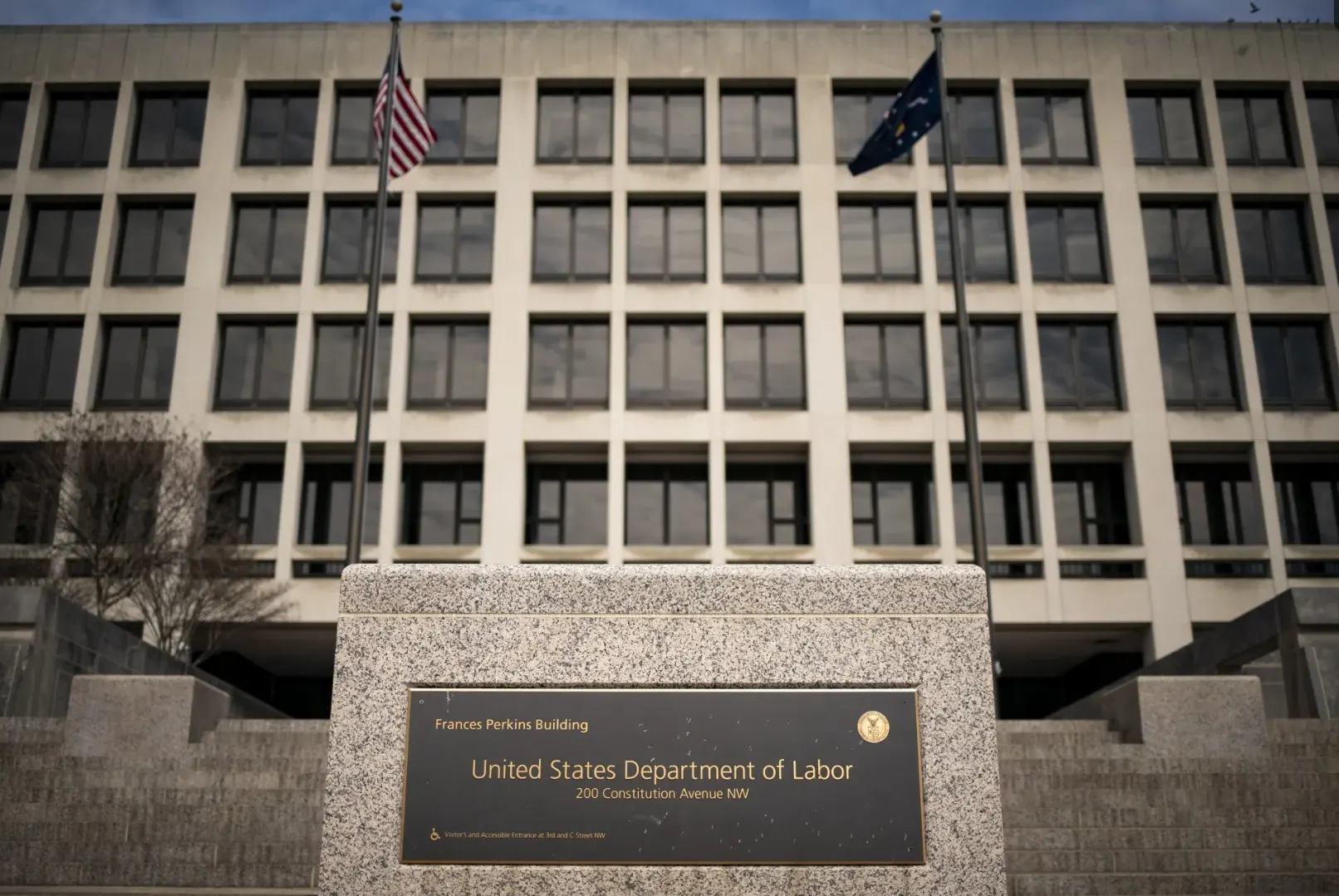
US consumer prices rose 0.1 percent in July, putting annual inflation at 3.4 percent, down from 3.5 percent in June, the Bureau of Labor Statistics reported on Wednesday. Core prices, excluding food and energy, rose 0.2 percent on the month and 2.5 percent over the year, down from 2.6 percent, and every reading matched the Dow Jones consensus, per CNBC, a second straight tame month that, in CNBC’s framing, possibly takes the urgency out of an imminent interest rate hike.
Inside the report, the cooling came from energy and the stickiness from shelter. The energy index fell 1.5 percent in July with gasoline down 2.9 percent, food rose just 0.1 percent, and shelter rose 0.1 percent while still accounting for roughly two-thirds of the monthly all-items increase, per the BLS. The month’s standouts ran in both directions: airline fares jumped 2.2 percent on the month and are up 25.5 percent over the year, medical care rose 0.4 percent, and motor vehicle insurance fell 0.3 percent. The July uptick follows June’s 0.4 percent decline, so the two months together read as a plateau rather than a re-acceleration. The annual composition still carries the year’s energy shock: even after July’s declines, energy remains up 14.7 percent over the past 12 months, driven by gasoline up 24.6 percent, while shelter is up 3.2 percent over the year, per the BLS.
Markets took the print as relief. Stock futures rose after the release, with S&P 500 futures up 0.29 percent and Dow futures up 0.21 percent in the first prints, per CNBC, while Treasury yields fell on the session, the 10-year down 2.8 basis points to 4.656 percent and the two-year down 3.2 basis points to 4.186 percent. Gold rose 0.34 percent to 4,456 dollars an ounce, the dollar index eased to 99.68, and oil held its Hormuz-driven gains, with Brent at 89.29 dollars, per CNBC.
For the Federal Reserve, this was the first of the data checkpoints on the road to the September 15 to 16 meeting that we mapped in our scenario article. The July decision held rates at 3.50 to 3.75 percent with three dissenters preferring a hike, as we covered in that article, and an in-line print that cools the annual rate weakens the case for urgency without resolving it: headline inflation at 3.4 percent remains well above the Fed’s 2 percent objective, which is formally measured on the separate PCE price index, and the report remains, in CNBC’s words, subject to changing conditions in the Middle East, with oil still repricing the Hormuz constraint upward and Brent near 89 dollars against the levels the July data captured, our reading.
Why it matters: This print removes the acute trigger for a September hike without licensing anything else, our reading. Core inflation easing to 2.5 percent moves the underlying trend in the right direction, and two consecutive tame months break the momentum argument the hike camp leaned on after the energy-fueled second quarter. But the report measures July, and the oil market has spent August building a fresh supply premium, which means the real question is not this print but the pass-through in the next one. A hold in September with the hike option kept alive is what this data supports, and the gap between a 3.4 percent headline and a 2.5 percent core is now heavily an energy story, with energy still up 14.7 percent over the year, which cuts both ways: it fades fast if Hormuz resolves, and compounds fast if it does not.
Outlook: The next checkpoints come quickly: July producer prices on Thursday at 8:30 AM New York time, 3:30 PM Kuwait time, then the PCE index on August 26, the August jobs report on September 4, and August producer prices on September 10 followed by the August CPI on September 11, back to back in the final week before the Fed meets, our reading, with retail sales and the University of Michigan consumer survey adding color on Friday. The markers are whether Wednesday’s yield relief holds through the producer price data, whether oil’s August premium starts showing up in the inflation expectations surveys, and how the September 11 print digests the energy repricing now underway.
Table – July US CPI, key readings:
| Measure | Reading |
| Headline CPI, month | +0.1% |
| Headline CPI, 12 months | +3.4% |
| Core CPI, month | +0.2% |
| Core CPI, 12 months | +2.5% |
| Energy, month | -1.5% |
| Energy, 12 months | +14.7% |
| Gasoline, month | -2.9% |
| Gasoline, 12 months | +24.6% |
| Food, month | +0.1% |
| Shelter, month | +0.1% |
| Shelter, 12 months | +3.2% |
| Medical care, month | +0.4% |
| Airline fares, month | +2.2% |
| Motor vehicle insurance, month | -0.3% |
Table – First market reaction after the release, ranked by percent change:
| Instrument | Level | Change |
| WTI crude | $83.80 | +0.72% |
| Brent crude | $89.29 | +0.43% |
| Gold | $4,456.00 | +0.34% |
| S&P 500 futures | 7,770.00 | +0.29% |
| Dow Jones futures | 53,994.00 | +0.21% |
| US Dollar Index | 99.68 | -0.15% |
| US 10-year Treasury yield | 4.656% | down 2.8 basis points |
| US 2-year Treasury yield | 4.186% | down 3.2 basis points |
Sources: US Bureau of Labor Statistics; CNBC.