From a 450 Dollar Patch of Grass to a 32,970 Dollar Seat: How the 2026 World Cup Final Became a Complete Revenue Platform
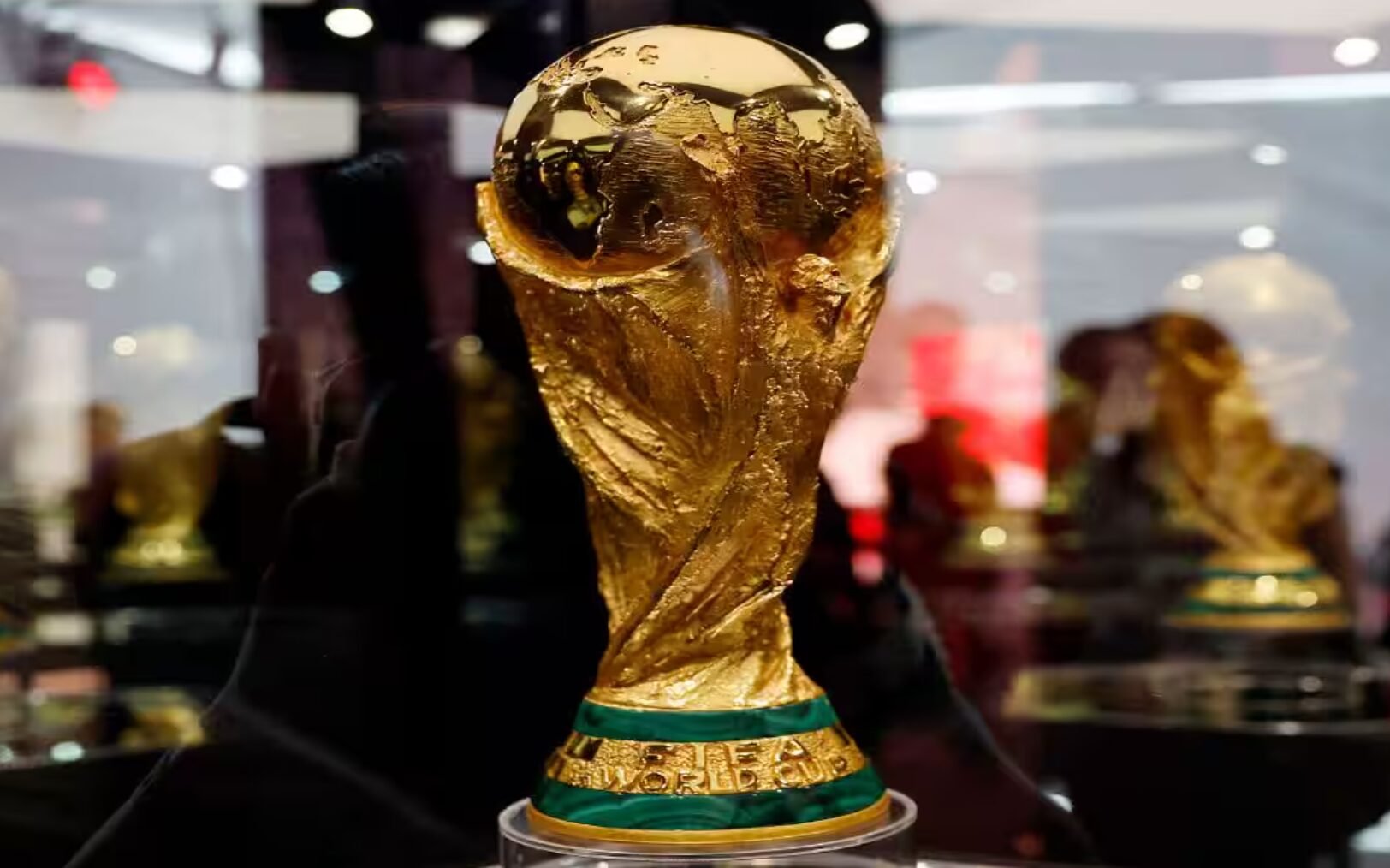
Spain are world champions. They beat Argentina 1-0 after extra time, through a Ferran Torres goal, in Sunday’s 2026 World Cup final at MetLife Stadium in New Jersey, to win their second world title, according to CNBC. Yet the match that crowned Spain was also the centrepiece of a much larger commercial operation, one that turned the final into a revenue platform spanning tickets, broadcasting, sponsorship, licensed merchandise, entertainment and hospitality.
FIFA’s financial ambitions have grown with the expanded 48-team tournament. It expects to generate about 13 billion dollars across the 2023 to 2026 commercial cycle, almost 9 billion of it from the 2026 event, against about 7.6 billion dollars in the cycle that contained the Qatar World Cup, according to Forbes. Broadcasting remains the single largest category, followed by sponsorship, ticketing and hospitality.
Few products captured the breadth of that machine better than the final’s playing surface. FIFA’s official store offered a Piece of the Pitch Foundation Edition at 450 dollars, a fragment of the final’s turf preserved in an acrylic display with a digital keepsake, produced and delivered only after the match had been played, and it quickly sold out. It also introduced the first officially licensed World Cup champions ring, a capped edition of 2,026 numbered pieces priced at 12,000 dollars each, with numbers one to 30 given to the winning squad, Spain, and the remaining 1,996 offered to supporters as an official licensed product. Even a shard of grass and a winners’ keepsake, in other words, became retail lines.
The entertainment around the match expanded too. FIFA staged the first halftime show in the history of a men’s World Cup final, extending the usual 15-minute interval for an approximately 11-minute performance curated by Coldplay’s Chris Martin and featuring Madonna, Shakira, Justin Bieber, BTS and Burna Boy, according to Forbes, borrowing the commercial language of the Super Bowl to create another globally televised window for performers and partners. The show also supported FIFA’s Global Citizen Education Fund, which is targeting 100 million dollars for children’s schooling, according to FIFA.
On the pitch, the final was a clean marketing win for Adidas. Both Spain and Argentina wore the German company’s kits, so Adidas was guaranteed to supply the winning shirt, and it also makes the official Trionda ball. Adidas outfitted 14 of the 48 teams to Nike’s 12, booked about 250 million euros, roughly 292 million dollars, of World Cup product in the first quarter with a similar amount expected in the second, and saw its footwear market share rise to 19.2 percent in June from 16.0 percent a year earlier, according to M Science data carried by Reuters. Nike’s tournament was not a collapse in demand: by kick-off its national-team kit sales were running at about 2.5 times the level before Qatar 2022, according to Reuters, but every one of its 12 teams was eliminated before the final, the last of them England, beaten by Argentina in the semi-final, leaving Adidas to win the closing weekend’s visibility contest.
The largest sums attached to access. A 2026 final ticket carried a face value of up to 32,970 dollars, more than twenty times the top public price of 1,607 dollars at the 2022 final in Qatar, and FIFA also sold hospitality packages with on-field seating from 1 million dollars for a group of twelve, according to Forbes, placing the match among the most expensive sporting events staged in the United States. Broadcasting remains the biggest line, worth about 3.9 billion dollars in the cycle on Forbes’s figures, and the next United States media-rights package could reach around 2 billion dollars, with Netflix, Disney and YouTube reported as interested, according to CNBC.
The Gulf is embedded across several layers of this structure, which is where the tournament matters most for regional readers. Saudi Aramco became a FIFA Major Worldwide Partner in 2024 under a four-year deal running through the end of 2027, exclusive in the energy category, reported by Forbes at about 100 million dollars a year. Qatar Airways is a top-tier FIFA Partner and the official global airline partner. And DAZN, which broadcast FIFA’s 2025 Club World Cup free to view worldwide, counts Saudi Arabia’s Public Investment Fund among its shareholders through a minority stake taken by its Surj Sports Investment arm, although the platform remains controlled by Access Industries, so the Gulf’s position in the broadcast layer is an investment rather than control.
Why it matters: The final showed how a global sporting event can be broken into layers of commercial inventory, from tickets and television rights to branded entertainment, licensed luxury goods, shirts, balls and even fragments of the pitch. For Gulf companies and investors, it also showed that regional involvement is no longer confined to hosting: Aramco and Qatar Airways hold top sponsorship categories, and Saudi capital has entered sports streaming through a minority investment in DAZN, ahead of Saudi Arabia’s hosting of the 2034 World Cup.
Outlook: FIFA’s next commercial contest will be fought increasingly on screens, as streaming platforms weigh bids for future World Cup rights, while the retailing and entertainment formats trialled around the 2026 final are likely to be repeated and expanded. With Saudi Arabia preparing to host in 2034, the Gulf’s role in the economics of international football is set to extend from sponsorship and aviation toward hosting, infrastructure, media and investment.
Sources: CNBC; Reuters; FIFA; Forbes; M Science; Adidas.