Egypt’s 90 Billion Pound Support Package Lifts Export Rebates 7.9 Percent to 48 Billion
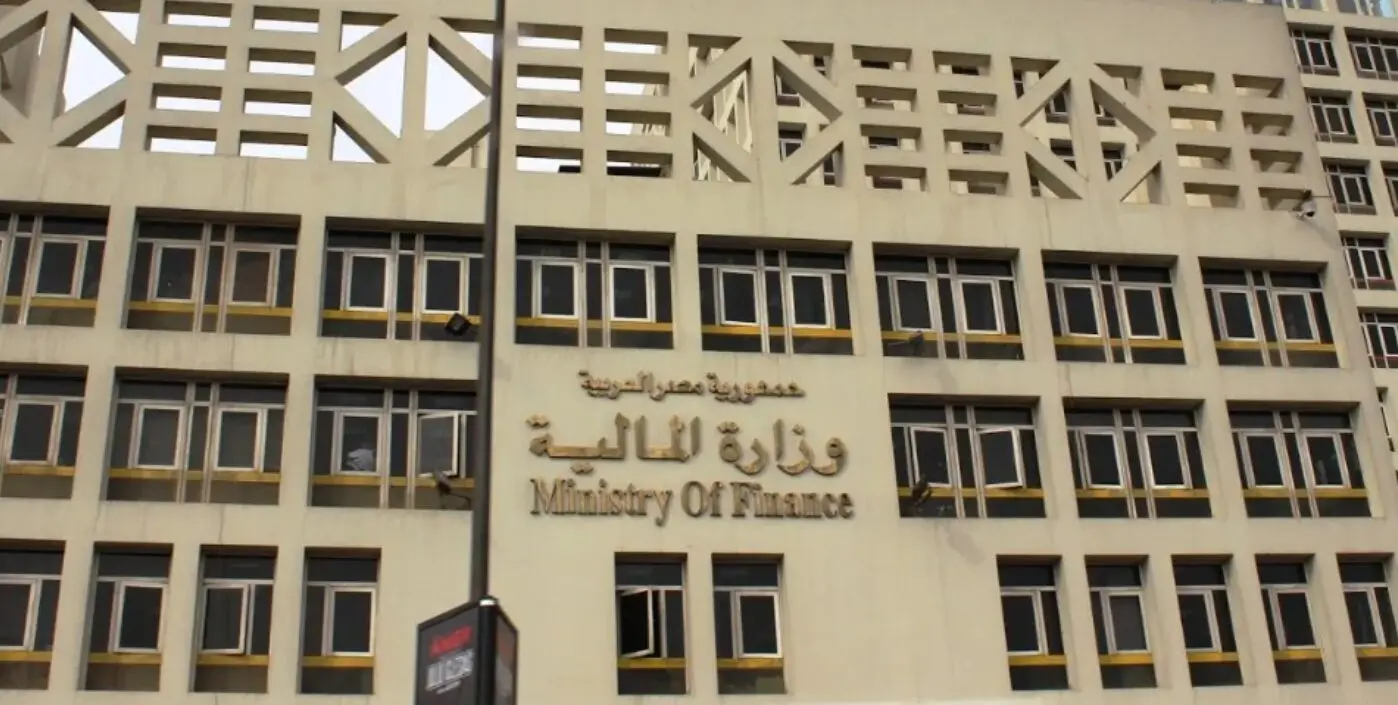
Egypt’s 2026/27 budget puts 90 billion pounds behind programmes that support economic activity, and more than half of it, 48 billion pounds, goes to export rebates and support for exporters, an export line 7.9 percent larger than in the 2025/26 budget, on our calculation. The Cabinet’s Information and Decision Support Center (IDSC) set out the package in an infographic published on Saturday, 10 October and carried by the State Information Service.
Five other lines are named: 6.7 billion pounds for tourism and new hotel capacity, 6 billion for financing facilities for industrial and agricultural production, 5.5 billion for the automotive industry and the manufacture of environmentally friendly vehicles and their components, 5 billion in cash incentives for small, medium and micro enterprises, and 2 billion to lift capacity in priority industries. The same six figures appear on the economic activity page of the Ministry of Finance’s Citizen Budget for 2026/27, issued in September.
Exporters take 53.3 percent of the package
On our calculation, the export line alone accounts for 53.3 percent of the 90 billion pounds and is 7.2 times the next largest item, tourism. The six named lines add up to 73.2 billion pounds, or 81.3 percent of the headline. Neither the infographic nor the Citizen Budget page itemises the remaining 16.8 billion pounds.
Production financing for industry and agriculture, the automotive line and the priority industries line receive 13.5 billion pounds between them, twice the tourism allocation on our calculation.
Where the 90 billion pounds goes, 2026/27 budget
| Programme | Billion pounds | Share of total |
|---|---|---|
| Export rebates and exporter support | 48.0 | 53.3% |
| Tourism and hotel capacity | 6.7 | 7.4% |
| Industrial and agricultural financing | 6.0 | 6.7% |
| Automotive and green vehicles | 5.5 | 6.1% |
| Small, medium and micro enterprises | 5.0 | 5.6% |
| Priority industries | 2.0 | 2.2% |
| Not itemised | 16.8 | 18.7% |
| Total | 90.0 | 100% |
Amounts as published in the IDSC infographic of 10 October 2026 and in the 2026/27 Citizen Budget. Shares and the unitemised remainder are our calculation.
Export rebates rise 7.9 percent on 2025/26
The 2025/26 Citizen Budget carried 44.5 billion pounds for export rebates, so the 48 billion pounds allocated for 2026/27 is 3.5 billion pounds, or 7.9 percent, higher on our calculation.
Two other lines also grow. Cash incentives for small, medium and micro enterprises rise to 5 billion pounds from 3 billion, a 66.7 percent increase, and support for environmentally friendly vehicles rises to 5.5 billion pounds from 5.2 billion, up 5.8 percent. Together, the three lines receive 58.5 billion pounds, 5.8 billion more than a year earlier, on our calculation.
Support lines that grow in 2026/27, billion pounds
| Programme | 2026/27 | 2025/26 | Change |
|---|---|---|---|
| Export rebates | 48.0 | 44.5 | +7.9% |
| Small, medium and micro enterprises | 5.0 | 3.0 | +66.7% |
| Environmentally friendly vehicles | 5.5 | 5.2 | +5.8% |
2026/27 amounts as in the first table; 2025/26 amounts from the 2025/26 Citizen Budget, which cites the 2025/26 financial statement. Changes are our calculation.
Two lines are smaller than in 2025/26: tourism and hotel capacity at 6.7 billion pounds against 8.4 billion, and priority industries at 2 billion against 5 billion.
A package worth 1.7 percent of total spending
On our calculation, the 90 billion pounds equals 1.7 percent of the 5,187.975 billion pounds of total spending in the 2026/27 budget and 0.37 percent of the 24.5 trillion pounds of GDP at market prices targeted in the 2026/27 macroeconomic framework. It is also equivalent to 10.8 percent of the 836.826 billion pounds set aside for subsidies, grants and social benefits.
Revenue is budgeted to grow faster than spending. Interest payments take 46.6 percent of total spending, a smaller share than the 50.2 percent in the 2025/26 budget, and taxes provide 87.0 percent of revenue, on our calculation.
The budget targets a primary surplus equal to 5.0 percent of GDP, up from 4.0 percent in the 2025/26 budget, and an overall deficit of 4.9 percent of GDP against 7.3 percent.
Egypt’s 2026/27 budget at a glance, billion pounds
| Item | 2026/27 | 2025/26 | Change |
|---|---|---|---|
| Total spending | 5,187.975 | 4,573.963 | +13.4% |
| Total revenue | 4,056.375 | 3,119.610 | +30.0% |
| Interest | 2,419.823 | 2,298.030 | +5.3% |
| Investments | 553.693 | 434.894 | +27.3% |
| Primary surplus | 1,217.181 | 807.060 | +50.8% |
Both columns are budget figures from the table of main budget features in the 2026/27 Citizen Budget. Changes are our calculation.
Why it matters: The largest share of the package goes to exporters in a year when the 2026/27 macroeconomic framework targets GDP growth of 5.4 percent, average annual growth of 12.3 percent in goods exports and a private sector share of 59 percent in 4.2 trillion pounds of total investment. The 2025/26 outturn gives the plan its base: a Ministry of Finance statement on 10 October put growth at 5.1 percent in 2025/26, led by manufacturing, telecommunications and tourism, with the private sector accounting for 65 percent of investment, a primary surplus of 4.9 percent of GDP and the overall deficit narrowing to 5.8 percent.
Outlook: The package sits inside a budget that targets what the Citizen Budget calls the largest primary surplus, at 5.0 percent of GDP, and the 10 October statement sets a target of bringing debt down to 78 percent of GDP by June 2027. The next signals will come from in-year budget execution and from export receipts as the larger rebate allocation reaches exporters during the fiscal year.
Sources: Ministry of Finance, Information and Decision Support Center, State Information Service, The Edge.