Oil Slides Toward Two Month Lows as the United States and Iran Near an Agreement to Reopen Hormuz
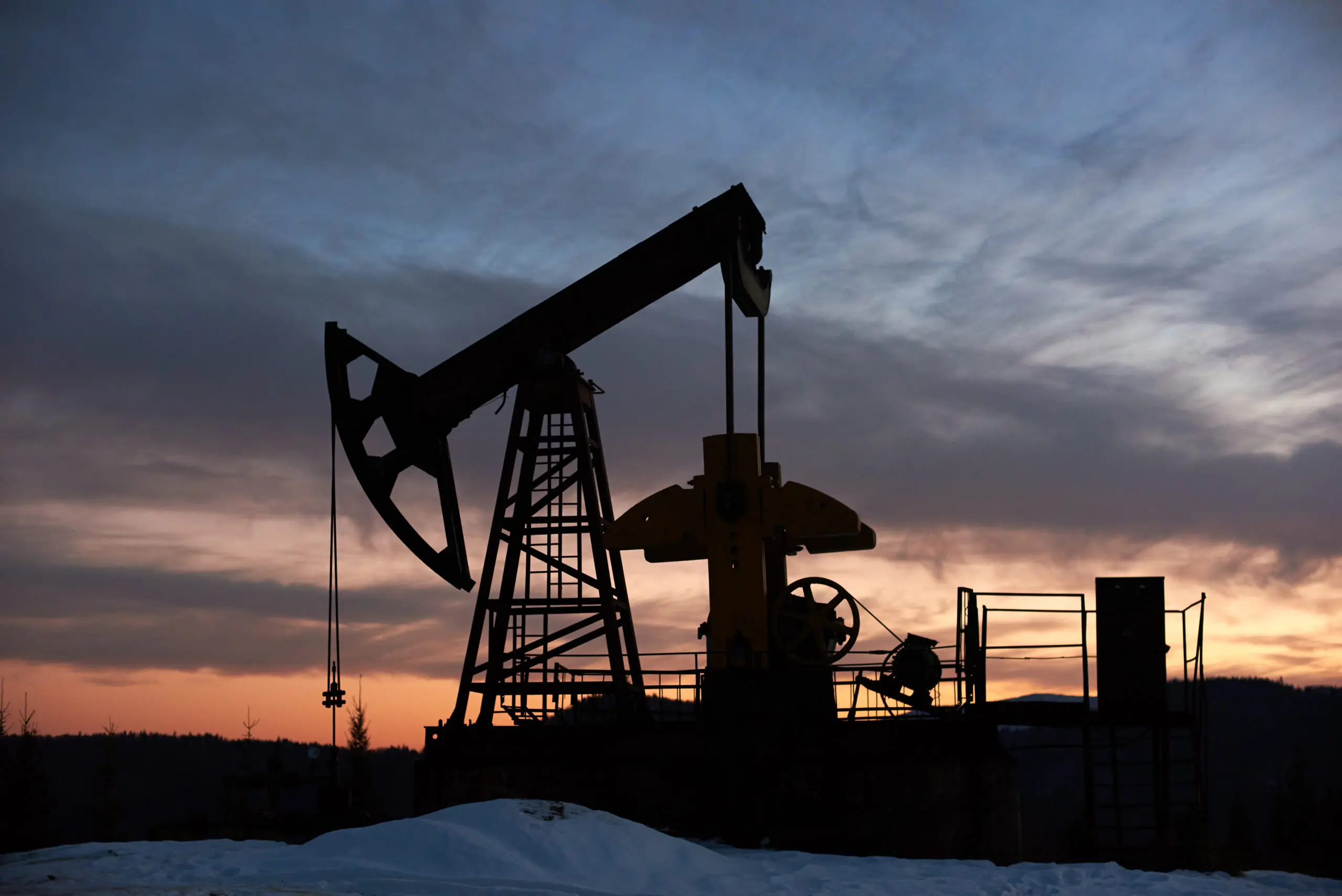
Oil prices extended their decline on Friday, 12 June 2026, as the United States and Iran moved closer to an agreement that would reopen the Strait of Hormuz to commercial shipping, unwinding the geopolitical risk premium that has dominated energy markets for months.
Brent crude futures fell $1.21, or about 1.3 percent, to about $89.17 per barrel in early Friday trading, extending Thursday’s slide of about 4 percent, while US West Texas Intermediate declined about 1.4 percent to about $86.48. On a weekly basis, Brent was tracking a loss of about 4.2 percent and WTI about 4.4 percent, with both benchmarks near their lowest levels in about two months.
The Memorandum Taking Shape
According to officials cited in US media reports, negotiators have converged on a memorandum of understanding whose broad strokes include a 60 day extension of the ceasefire, the reopening of the Strait of Hormuz to commercial traffic, and a framework for renewed negotiations over Tehran’s nuclear programme. The arrangement is also reported to involve potential waivers or staged sanctions relief that could allow Iran access to frozen assets, conditional on diplomatic progress.
The US President said on Thursday that planned military strikes had been called off as discussions progressed, and that a deal could be signed as soon as this weekend, with preparations reported for a possible signing in Geneva. Tehran’s position remained more guarded: Iranian media indicated the text of the agreement had not yet received final approval, a reminder that the repricing rests on an unsigned document.
Markets Reprice in Both Directions
The market reaction extended well beyond crude. Gold traded near $4,240 per ounce after a volatile week that included its strongest single session since March, easing as safe haven demand faded. Equity markets extended gains, with Asian shares rising on the prospect of an end to the conflict, and risk appetite was further buoyed by the largest IPO in history, with SpaceX raising $75 billion ahead of its Nasdaq debut on Friday.
The physical picture is already shifting. Tanker tracking data from analytics firm Vortexa indicated that oil flows through the Strait of Hormuz jumped by about 50 percent this week as Gulf producers adapted logistics, consistent with the successful Kuwaiti LPG transit documented earlier in the week. At the same time, the inventory backdrop remains tight: US commercial crude stocks stood at 426.5 million barrels in the week ended 5 June, about 5 percent below the five year seasonal average, according to the Energy Information Administration, and OPEC’s June report cut projected 2026 demand growth to 970,000 barrels per day partly on the consumption damage from elevated prices.
What the Unwind Means
The speed of the decline mirrors the speed of the earlier rally: with headlines rather than physical flows driving direction, the geopolitical premium is being priced out as quickly as it was priced in. A signed agreement followed by verified tanker movements through the strait would validate the move and shift attention back to fundamentals, where tight inventories argue against a deep collapse in prices. A delay or breakdown in the signing would restore the premium with equal speed.
The next markers are concrete: the signature itself, the pace at which war risk insurance premiums on Gulf routes decline, transit volumes through the strait in the coming days, and the US Federal Reserve’s meeting on 16 to 17 June, where the inflation consequences of three months of elevated energy prices will be weighed directly.
Sources: ICE and NYMEX intraday pricing, 12 June 2026; official statements reported by Reuters and CNBC; Vortexa tanker tracking data; US Energy Information Administration; OPEC Monthly Oil Market Report, June 2026.