Libya’s Oil Output Hits Highest Level Since 2013, Nearing 1.5 Million Barrels a Day
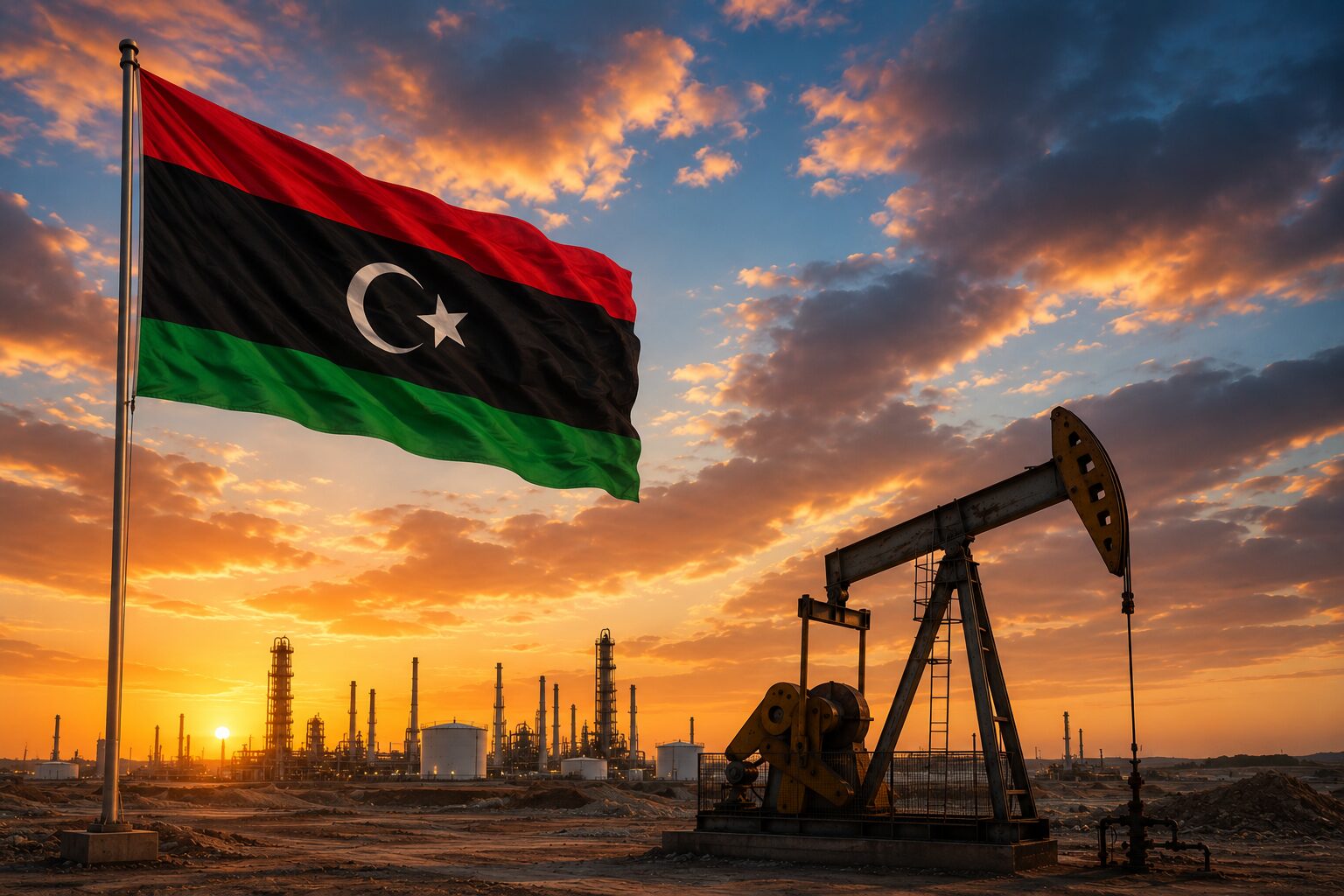
Libya’s crude oil production has climbed to about 1.44 million barrels a day, its highest level since 2013, the National Oil Corporation said, as the OPEC member presses ahead with efforts to rebuild an energy sector that remains the backbone of its economy.
The NOC said crude output reached 1,438,560 barrels on the morning of Sunday 21 June, alongside condensate production of 49,163 barrels a day, taking total daily output to 1,487,723 barrels. It described the level as the highest since 2013 and said the result brought it closer to its goal of producing 1.5 million barrels of crude a day.
At a meeting at the NOC’s headquarters in Tripoli, chairman Masoud Suleman credited the gains to the efforts of national workers across the country’s oil fields and ports, achieved despite difficult circumstances, and stressed the need to keep up the pace to reach the targeted rate before the end of 2026 in support of the Libyan economy.
A sector being rebuilt
Oil is the backbone of Libya’s economy and its main source of state revenue, and the country holds the largest proven crude reserves in Africa. After years in which internal conflict repeatedly disrupted output, exports and revenue flows, the NOC has been working to raise production and revive investment, including its first oil and gas exploration licensing round in more than 17 years, which drew interest from major international energy companies.
Why it matters
For global markets, the recovery in Libyan output adds barrels to world supply at a time when renewed tension around the Strait of Hormuz has put a risk premium back into crude. For OPEC, the return of Libyan volumes feeds into the group’s wider management of supply and market balances, though Libya has historically been treated separately from members subject to output restraint because of its domestic instability. For Libya itself, higher and steadier production translates directly into stronger hydrocarbon revenue, the principal funding source for the state budget.
The key question is durability. Libyan output has recovered before only to be interrupted by disputes that shut in fields and ports, so sustaining the current level will require stable operations, reliable export routes and continued coordination across the country’s fragmented political landscape.
Outlook
The NOC is targeting crude production of 1.5 million barrels a day before the end of 2026, and has signalled larger ambitions for its output over the longer term. Reaching and holding those levels will depend on sustained investment, the development of newly awarded exploration acreage and a stable operating environment. The pace at which the recent licensing round moves from awards toward drilling and development will be an early indicator of whether the targets are within reach.
Sources: Libya’s National Oil Corporation (NOC); U.S. Energy Information Administration (reserves).